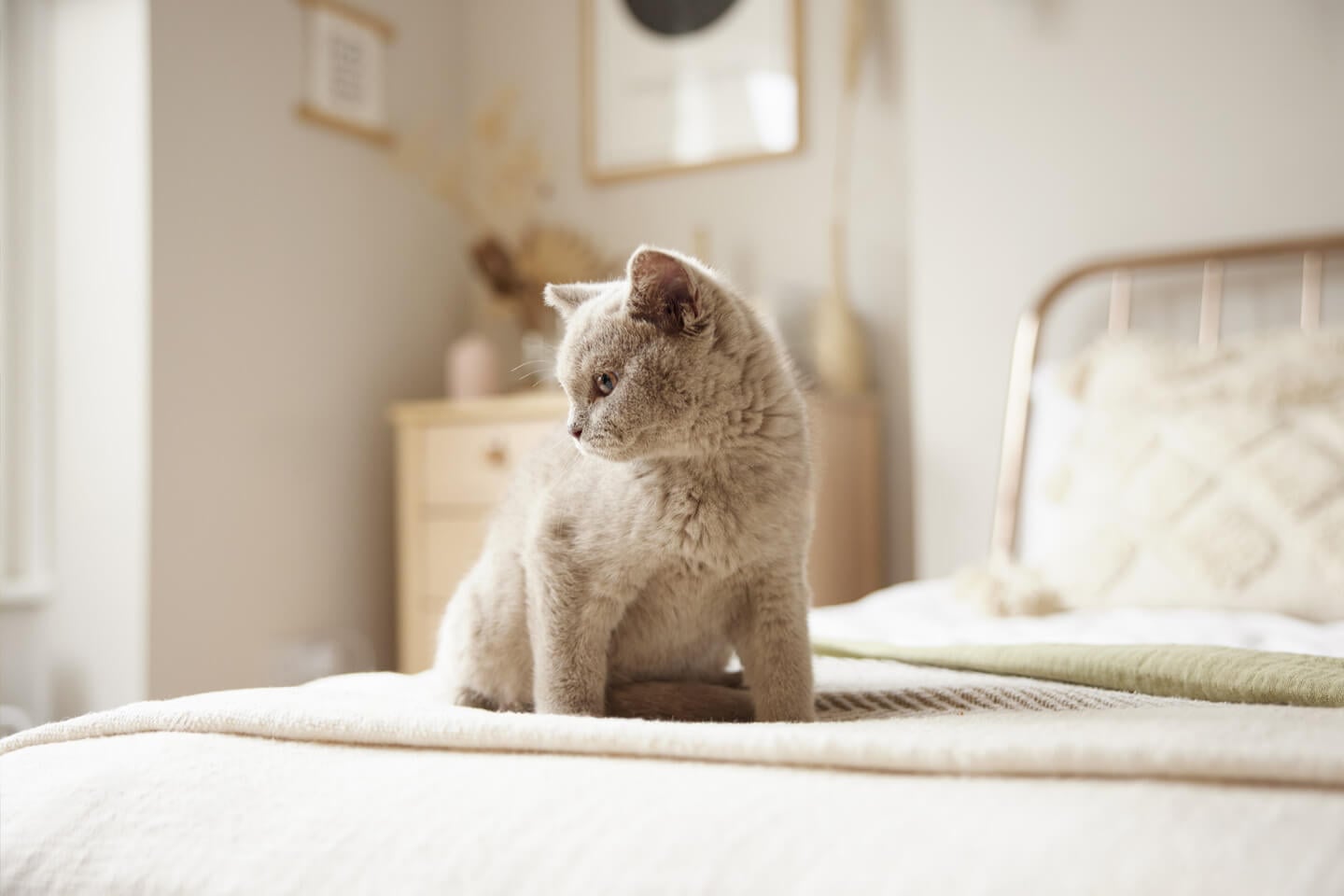
The initial days, weeks, and months of having a kitten are filled with ‘firsts’ - from the first night to the first cuddle. Watching your kittens’ personality slowly emerge and seeing them grow into their adult self is a joy like no other, but it’s also completely natural to feel nervous.
Getting a new kitten in the house is exciting, so it’s understandable if you want to put off their first vet appointment in lieu of more time cuddling. However, it’s important to have your pet seen within the first few days of getting your kitten. This can catch any parasites, fleas, or health conditions early before they become a problem.
You can book your first vet appointment for your kitten by calling the veterinary clinic you have chosen and book in an appointment with a receptionist. Some clinics also have the option to book an appointment online through their website.
On their first vet check, the clinic will likely ask you to fill out some paperwork. This is important as it gives the practice an idea of any previous vaccinations as well as your kittens age and sex. If you’re unsure of your kitten's sex, your vet will check during the appointment.
Your vet will do a ‘head to tail’ examination, checking over your new kittens' teeth, eyes, ears, and nose before moving onto listening to their heart and lungs to check for any murmurs or abnormalities. They’ll have a good feel of your kitten's belly to make sure everything feels right, leading to then checking your kitten's sex, weight, and coat condition.
If your kitten has not yet been vaccinated, your vet will usually do this during this appointment. In their first year, they usually get two vaccinations about 3-4 weeks apart. Each year onwards they will have another booster vaccination. Kittens should have all their vaccines to ensure they have a healthy immune system and to defend against the most common illnesses.
Your first vet appointment is also a great time to have a chat with your vet about any concerns you have about your kitten’s health or behaviour.

Although it’s an exciting day for the whole family, especially younger kids, you should make sure that everything is calm and quiet when your kitten first arrives home. Remember that this may be the first time they’re apart from their mother and will be the first time they’re in a new environment so it can be overwhelming for them.
Although it’s tempting to cuddle your kitten as soon as you get home, remember that your kitten is probably in awe at all the new space and people around. They may even be hiding under furniture. Rather than chasing after them and cuddling on your terms, you should allow them to approach you on their terms. If they decide to curl up in your lap then go ahead and pet them, but if they’ve retreated under a bed then they need more time so just let them be.
Give your kitten time and space to let them become comfortable and let them approach you rather than the other way around. Your kitten is likely to be both shy and curious, so it’s all about being patient and understanding what a shock this is! Once your kitten is approaching you, try to make things fun by playing with their new toys.
Ensure children are supervised at all times to ensure their interactions with the kitten are positive and appropriate.
Introducing your kitten to pets such as other cats and dogs may not go as quickly as it did with the family. It requires lots of time and patience, but if you take things slowly, you’re more likely to get positive results.
The best thing to do is to keep your kitten in a separate, comfortable room with plenty of toys as well as food, water, and a litter tray. Consider starting by introducing your pets through swapping blankets or towels with their scent on them. Follow by allowing them to interact through a baby gate – keeping dogs on a lead. With time you can gradually introduce meetings without a baby gate, and eventually without a lead.
Before coming home, your kitten should have a safe room with toys, water, food and a litter tray all set up. Your kitten should sleep in here as they get comfortable with the house and new environment, as having free roam of the whole house can be overwhelming and if there are other pets it can also be dangerous. If you want, you can set an alarm to check on them halfway through the night and make sure they’re sleeping soundly. There are also various pet cams available for you to check without disturbing your new kitten.
With a new kitten, make sure to give them space to settle in and try to avoid loud and noisy interactions. Be gentle with handling them as they may wriggle out of your arms and fall to the floor. Avoid changing their diet too quickly, the breeder or shelter is likely to have given you food to go home with so you can gradually introduce the new food over a period of a week. To keep your new kitten safe, ensure all doors and windows are kept closed so there’s no chance of escape.
Your kitten is likely to have just been separated from their mum for the first time in their lives and will be used to company, so suddenly being in a new environment with no one around can be a bit scary. With a new kitten, ensure that they’re exposed to the presence of people – even if it means just sitting in the same room as them, and try to avoid leaving them alone all day. Kittens are very good at getting into all sorts of trouble so if you’re around you’ll be able to make sure they’re staying safe.
Overnight, even if your kitten is in the same room as you, they may cry overnight. This is normal and is partly because they aren’t used to being away from their mother and littermates. To keep them settled and comfortable, consider a warm blanket, a warm (not hot) water bottle, or a blanket from their old home. Familiar food and litter type will also bring some comfort in the days ahead.
Kittens are tiny and can view your home as a large and intimidating space. There are ways that you can make their transition to your home as smooth and stress-free as possible. To begin with keep them contained in one room and gradually increase the areas they are able to access. As long as you provide the essentials, your kitten should be happy to pick up their new scent while exploring on a smaller scale. To make sure their new space is safe, check there are no small gaps they can squeeze through and remove toxic houseplants or flowers such as lilies and daffodils.
It is important to take the bonding and introduction process slowly. You and your home are unfamiliar to your new kitten and it will take time for them to adjust. Allow time for calm and gentle exploration and do not force interactions. Keep handling to short gentle sessions to begin with and release your kitten into a safe space if they appear anxious.
If you own other pets, it’s important to take their introduction slowly and carefully. Before putting them face-to-face, allow them to smell each other’s toys and then gently bring them together with one person per pet to supervise the interaction. It is not recommended to leave kittens alone with other pets until you are certain they are safe together. Kittens are delicate and easily harmed by other pets.
If you have any children, make sure you teach them before your kitten arrives just how delicate their new family member is. As with all children, you may need to remind them from time to time exactly how to handle the kitten with care. Supervision is crucial to begin with to ensure the child is handling the kitten correctly and creating an appropriate bond with them.
A great way to bond with your kitten, grooming is the perfect time to wind down and connect with your new pet. With a large range of cat brushes and combs available, both short and long-haired cats can be beautifully groomed fuss-free.
Start with a soft brush and groom for short periods of time while your kitten is sleepy or relaxed. Stop grooming if they appear anxious, and restart once they are calm again. Increase the area you groom over time until you are able to groom all parts of your kitten. Armpits and groin are important areas for grooming as these often get knotty when cats are older. They are also areas cats find more difficult to groom themselves if they are ill or become overweight. Once your kitten is comfortable being groomed you can introduce different grooming tools such as a comb following the same process.
Often overlooked, grooming is the ideal time to try and teach your kitten their name by repeating it to them as you brush and rewarding them with attention and treats.
Hopefully, your new kitten will settle and become one of the family in no time at all. Look out for signs they’re feeling happy and relaxed. You may notice signs such as:
- ‘Head bumping’ - cats living in bonded groups will greet one another by butting heads and scent swapping
- Purring - the purr is a noise that often indicates happiness
- Licking - your cat grooming you is a clear sign that they consider you family
- Sleeping near you – cats only sleep in places they feel safe. If they sleep on or next to you it is a sign of trust and happiness