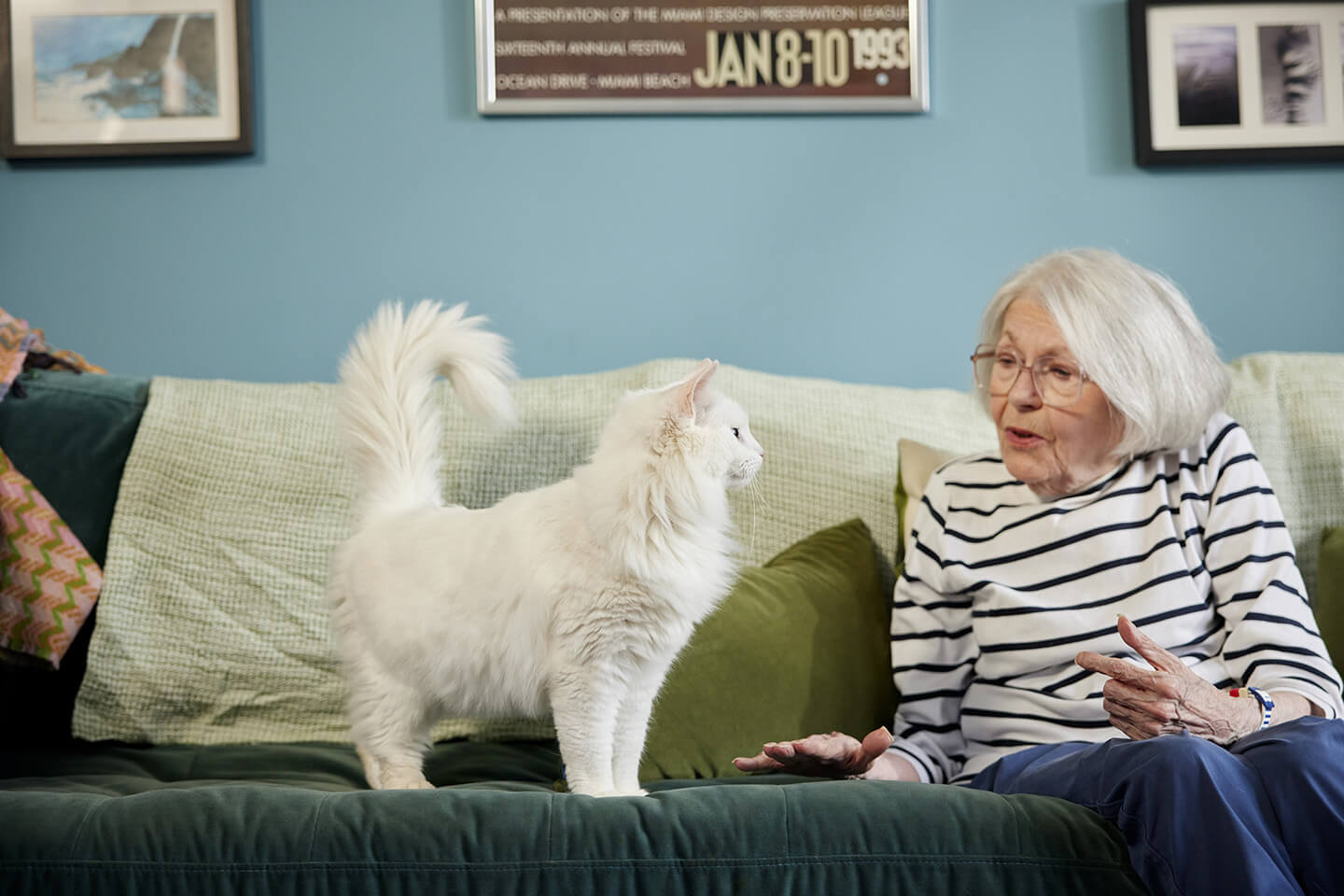
Bringing your cat into a new home or introducing them to other pets can be an exciting yet challenging experience. With patience, preparation, and the right approach, you can help your feline friend feel safe and comfortable in their new surroundings. In this article, we’ll explore tips on easing the transition, creating a stress-free space, and ensuring smooth introductions to other pets. With the right strategy, your cat will soon feel right at home!
Well known for their rivalry, cats and dogs can actually get along fine with the right introductions and the right socialisation.
The best advice we can give is to take it slowly. Keep the pets in separate areas to give both the cat and the dog time apart to get used to each other’s smells. Make short but frequent controlled and supervised introductions after a week. Always be sure to keep your dog on a lead for these first meetings. Always allow your cat space to escape and hide out of the reach of your dog if they feel scared. These supervised meetings should carry on until you’re completely sure that each pet is happy and safe around each other.
While cats may have a reputation for being aloof and independent, many can get along with other cats and many enjoy the extra companionship.
Not all cats are destined to get along though, so it’s important to make some careful introductions when you bring your new cat home. Like when introducing a cat to a dog, it’s usually best to keep cats separate for the first few days, or perhaps slightly longer, to give them time to get used to each other. Make sure that each feline has their own food bowl, water bowl, litter tray and scratching post (and that they’re kept away from each other). Scent swapping blankets and beds can help them get used to each other's smells. When you do make introductions, start small (e.g. visible contact via glass or a slightly opened door). When you introduce them fully, be sure to supervise them and give your cats plenty of opportunity to escape or hide.
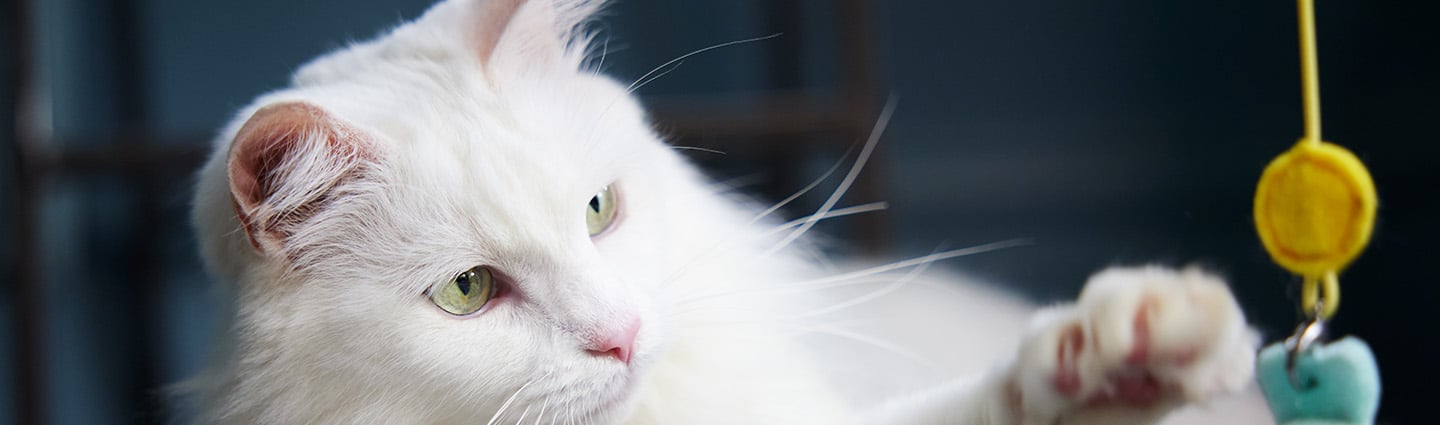
If you have other pets, like birds, hamsters or rabbits, it’s still important to make those careful introductions to your new cat. As we all know, cats have excellent hunting skills and may see smaller animals as prey without the right socialisation (and if smaller pets aren’t kept safely in their enclosures).
When introducing a cat to other pets, give both animals time to get used to each other while separated. This will help your pets learn each other’s smells. After a few days, make careful, supervised introductions. Keep small animals in their enclosure and never introduce them to your cat outside of this. Reward your cat for good behaviour but keep an eye out for any signs of aggression or anxiety in all your animals.
Even once introduced, avoid any unsupervised contact with your cat and smaller animals.
Of course, getting a new cat is very exciting for any children in the family. However, it’s important to be careful with introductions between your children and your new pet. Because of their size and their soft fur, some younger children may see cats as very exciting, and this could be harmful to your new pet.
It’s usually a good idea to teach your children how to handle cats safely before you bring your new pet home, particularly if you have toddlers or younger children in the family. It’s also important to always supervise any playtimes with your cat and children, especially in the first few weeks. Your cat may not feel like vigorous play times while they’re settling into their new home.
If you are introducing them to babies, get them used to baby smells and noises before they arrive. Using sound therapy to gradually desensitise your cat to baby sounds can be very important in keeping your home as stress free for your cat as possible.
Introducing cats to each other requires patience and careful planning to ensure a positive experience for both cats.
Here are some good signs to look for during the introduction process:
- Curiosity and playfulness - both cats show curiosity about each other without signs of fear or aggression
- Relaxed body language - relaxed body postures, such as a loose and upright tail, relaxed ears, and a non-tense body. Slow blinking, which is a sign of trust and affection in cats
- Mutual grooming - cats may engage in mutual grooming, where they groom each other as a sign of acceptance and bonding.
- Shared space without tension - both cats can be in the same room without overt signs of tension or aggression. They may explore the space independently but remain calm
- Eating together - if the cats can eat in close proximity without showing signs of aggression, it's a positive indicator. Consider feeding them on opposite sides of a closed door at first
- Playful interaction - positive play interactions, such as chasing each other or batting at toys together, without signs of hostility
- Purring - purring can be a sign of contentment. If both cats are purring in each other's presence, it's a positive signal
- Respectful behaviour - cats show respectful behaviour, such as allowing the other cat access to resources (food, litter box, resting spots) without conflict
It's important to note that the introduction process can take time, and each cat is unique. If there are signs of aggression or extreme fear, it's crucial to slow down the introduction process and provide more time for each cat to acclimate. Additionally, seek guidance from a vet or a professional animal behaviourist if you encounter persistent issues or if there is a significant size or age difference between the cats.