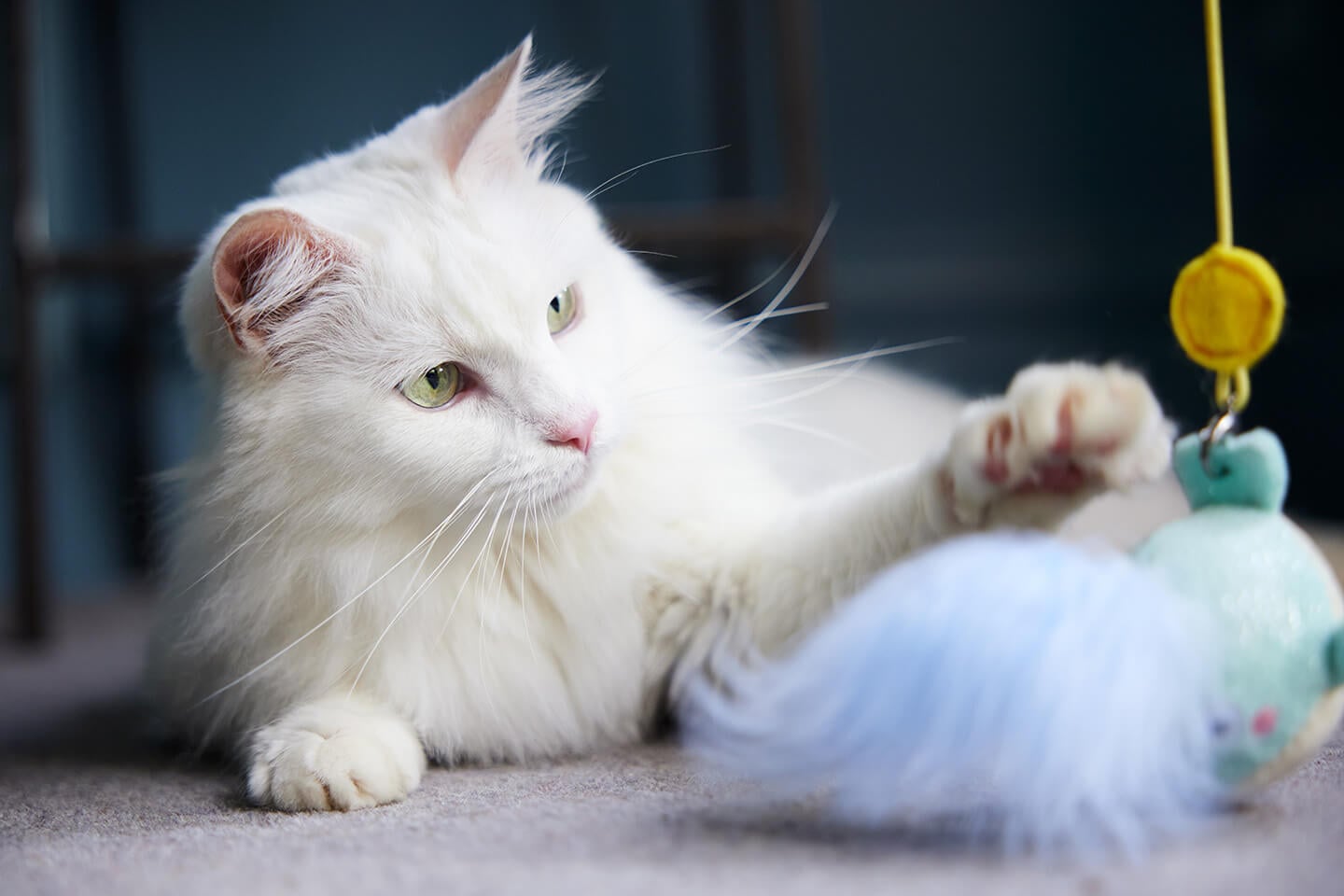
Playtime isn’t just fun for your cat—it’s essential for their physical health, mental stimulation, and emotional well-being. It also strengthens your bond and satisfies their natural instincts.
This guide covers everything you need to know about creating enriching play experiences, from choosing the right toys to setting up a perfect play environment. Let’s keep your cat happy and active!
Yes, playtime is highly beneficial for cats. Engaging in play provides physical exercise, mental stimulation, and emotional well-being for cats. Here are several reasons why playtime is essential for your feline friend:
- Physical exercise - playtime allows cats to engage in physical activity, helping to maintain a healthy weight and prevent obesity-related health issues. Activities such as chasing toys, pouncing, and climbing, can mimic natural hunting behaviours, providing valuable exercise.
- Mental stimulation - play stimulates a cat's mind and helps prevent boredom. Interactive play with toys that mimic prey, such as feather wands or laser pointers, engage a cat's hunting instincts and provide mental stimulation
- Bonding - playtime is an excellent opportunity to strengthen the bond between you and your cat. Interactive play allows for positive interactions, building trust and reinforcing the human-animal bond
- Stress reduction - play can help reduce stress and anxiety in cats. Regular play sessions provide an outlet for excess energy, allow them to exhibit natural behaviours and can be particularly beneficial for indoor cats, who may not have the same opportunities for natural exploration
- Preventing behavioural issues - regular play can help prevent undesirable behaviours such as furniture scratching or aggression. Cats that are mentally and physically stimulated are less likely to engage in destructive behaviours out of boredom or frustration
- Weight management - playtime contributes to weight management by promoting physical activity. Obesity in cats can lead to various health problems, and play is an effective way to keep them active and maintain a healthy weight
- Entertainment for indoor cats - for indoor cats, playtime is crucial for preventing boredom. Providing a variety of toys and interactive play sessions helps keep indoor cats mentally stimulated and satisfied.
To ensure that playtime is enjoyable and beneficial, use a variety of toys, pay attention to your cat's preferences, and always prioritize their safety. Regular, positive play interactions contribute to a happy and healthy life for your feline companion.
Cats love to explore and discover new things, so interesting toys and ones that are a bit unusual are sure to be popular with your pet. This could be balls, stick based toys, feathers, cat nip toys. It may even take a little while to find out what your cat’s favourite toy is, but you can have fun experimenting with your pet as you try out new things together.
Kittens have a playful reputation for good reason, as they love to play with you and each other for hours on end. Older cats aren’t always as keen to play with others, but they’ll still enjoy playtime with you if you get things right for them. Keep plenty of toys on hand so that when your pet’s ready for some fun, you can both have an entertaining playtime together. Try to aim for a few sessions a day. Vary the type of toys your pet has access to as they might get bored if they only get to play with the same toy.

You need to make sure that any toys you get for your cat are safe, so check that there are no small, detachable parts or anything that they could swallow. Toys specifically designed for cats are always best, as these will be built to withstand lots of clawing, chewing and grabbing. It can sometimes be a case of trial and error with your pet, so if one toy doesn’t seem to get them excited, just try another to get them interested.
While your pet might look cute and adorable when they’re curled up and purring in your lap, cats are also incredible hunters and will love the opportunity to exercise their predatory skills. You’ll probably find that one of your cat’s favourite ways of playing is to mimic how they hunt, as they seek out their prey, stalk it and pounce. This is why a lot of cat toys resemble the movement of smaller animals, from the traditional stuffed mouse on a string to bird-like toys which flutter in the air.
Try and mimic prey-like movements, moving fast or slow to entice them. Wriggling movements and hiding the toy around corners can keep them interested. Where possible, try and include treats with the play, especially once they ‘catch’ their toy prey, this will keep them more engaged and reduce frustration.
The amount of playtime a cat needs can vary based on factors such as age, health, and individual temperament. Generally, adult cats' benefit from at least 15-20 minutes of interactive playtime a few times a day. However, it's essential to tailor the playtime to your cat's preferences and energy levels.
- Observe your cat's behaviour - determine if they need more or less playtime. If your cat is restless, displaying destructive behaviour, or gaining excess weight, they may benefit from more play
- Provide environmental enrichment - in addition to interactive play, provide environmental enrichment, such as puzzle feeders, climbing structures, and window perches. These features contribute to mental stimulation and physical exercise
- Be mindful of individual preferences - cats have individual preferences for play. Some enjoy chasing toys, while others prefer stalking or pouncing. Observe what activities your cat enjoys most and incorporate those into playtime
- Adjust for indoor cats - indoor cats may need more playtime to compensate for the lack of natural hunting opportunities. Interactive play helps prevent boredom and behavioural issues in indoor cats
Here are some guidelines for playtime with cats of different ages:
Kittens (up to 6 months):
Kittens are typically very energetic and may need several short play sessions throughout the day, totalling around 30-40 minutes. Interactive play with toys that mimic prey, such as feather wands or laser pointers, can be especially engaging for kittens.
Adult Cats (1-8 years):
Adult cats generally benefit from 15-20 minutes of interactive play at least twice a day. This can help them expend energy, maintain a healthy weight, and satisfy their natural hunting instincts. Rotate through a variety of toys to keep them engaged.
Senior Cats (8 years and older):
Senior cats may have reduced energy levels, but playtime is still essential for mental stimulation and maintaining mobility. Adjust the duration and intensity of play to suit your senior cat's needs, incorporating toys that are easier on their joints.
Remember that the quality of play is just as important as the quantity. Interactive playtime allows you to bond with your cat, stimulates their mind, and helps prevent obesity and related health issues. Always use toys that are safe for your cat and monitor their play to ensure they don't become overly excited or exhibit aggressive behaviour. If you have concerns about your cat's activity level, discuss this with your vet.
Cats often retain a playful nature throughout their lives, but the intensity and frequency of play can change with age. The interest in play can be influenced by factors such as health, individual personality, and environmental stimulation.
Here's a general overview of how play behaviour may evolve with age:
- Kittens (up to 6 months) - kittens are extremely playful and curious. They have abundant energy and engage in activities such as chasing, pouncing, and wrestling. Play is an essential part of their physical and social development
- Young adults (6 months to 2 years) - young adult cats continue to be playful, but their energy levels may start to decrease compared to their kittenhood
- Adults (2 to 10 years) - adult cats typically maintain a playful demeanour, although the frequency and intensity of play can vary
- Senior cats (10 years and older) - as cats enter their senior years, they may experience a decline in energy levels and a decrease in the intensity of play. However, many senior cats continue to enjoy gentle play, and it remains important for maintaining joint health and mental well-being
It's important to note that individual cats vary, and some may remain highly playful well into their senior years, while others may show less interest in play at an earlier age. Regular veterinary check-ups can help address any health concerns that might affect a cat's activity level. Overall, adapting play to your cat's age and preferences ensures that they continue to enjoy this important aspect of their lives.
While some cats are more independent and may not demand as much playtime as others, regular play is generally beneficial for their physical and mental well-being. If you don't engage in play with your cat, several consequences may arise:
- Boredom - without sufficient mental and physical stimulation, cats can become bored. Boredom may lead to undesirable behaviours such as excessive grooming, furniture scratching, or other destructive activities as a way for the cat to relieve stress or entertain themselves
- Weight gain - lack of play and exercise can contribute to weight gain, especially in indoor cats. Obesity can lead to various health issues, including diabetes, arthritis, and cardiovascular problems
- Behavioural issues - play is essential for a cat's mental health and can help prevent behavioural issues. Cats that don't have an outlet for their natural instincts, such as hunting and exploring, may develop behavioural problems, including aggression, anxiety, or compulsive behaviours
- Reduced physical health - physical activity, such as jumping, running, and climbing, helps maintain a cat's overall physical health. Lack of exercise can lead to muscle atrophy and reduced joint flexibility, especially in older cats
- Decreased cognitive function - play is mentally stimulating for cats. Interactive play sessions engage their problem-solving skills and keep their minds active. Without mental stimulation, cognitive function may decline over time
To ensure your cat's well-being, it's important to provide opportunities for play and mental stimulation. This doesn't always have to involve direct interaction; providing toys, scratching posts, climbing structures, and puzzle feeders can also contribute to a stimulating environment.