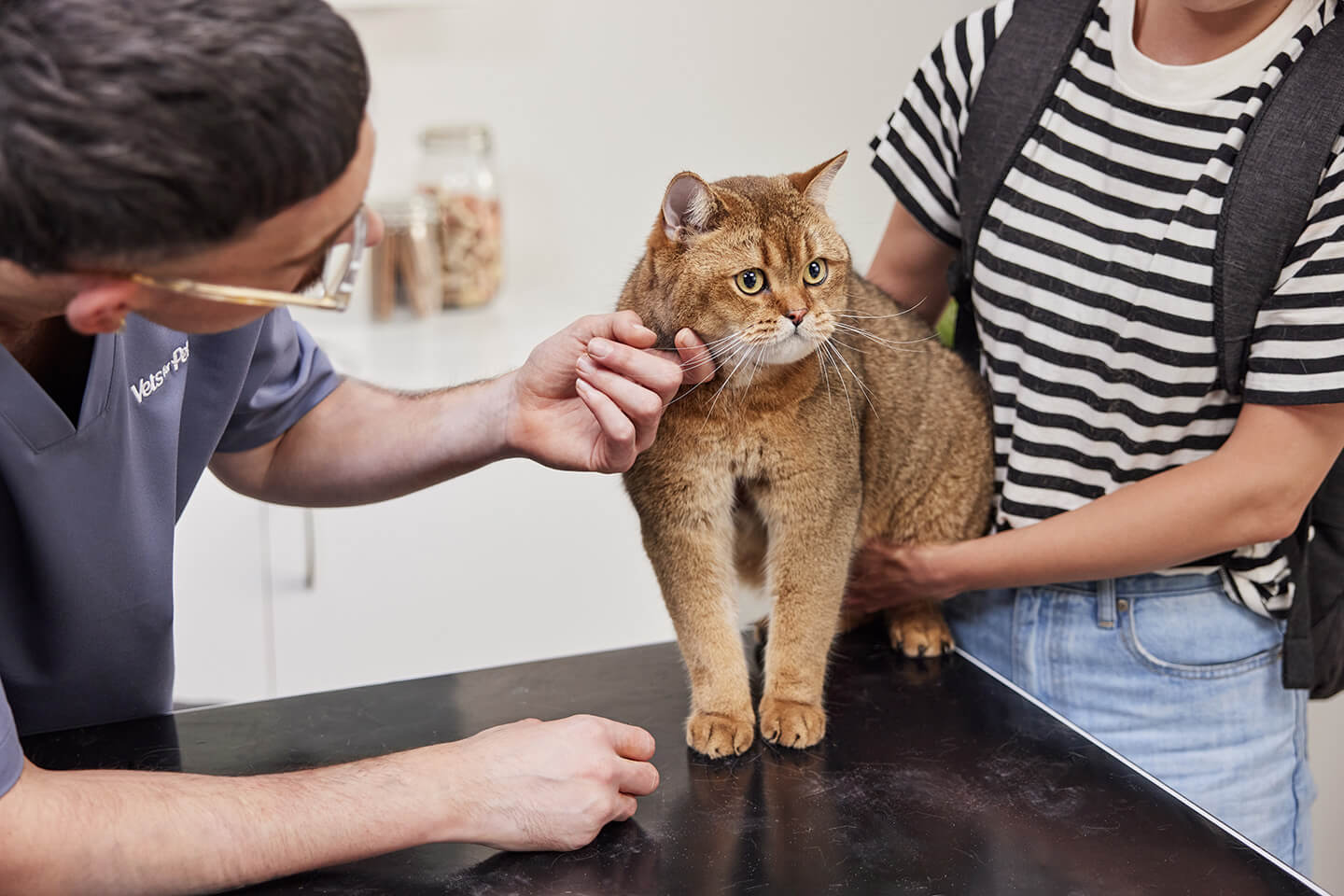
Although most cats stay fit and well most of the time, there are several common illnesses and health concerns that can arise, especially as your pet gets older. Knowing the signs to look out for can help you to spot any changes quickly and get treatment promptly. If your cat develops persistent or severe signs of illness, then you should contact your vet for advice.
Cats of any age can be allergic to a whole range of things, from pollen or environmental chemicals (synthetic fragrances etc) to fleas or proteins in their food. Contact with allergens can be inhaled, ingested or contact. An allergic cat has a massive immune response to allergens and that gives the signs of illness.
Signs of allergies in cats include coughing and wheezing, hair loss, skin irritation and itchiness and watery eyes.
If you suspect your cat has an allergy discuss this with your vet. If diasnosed, treatment involves reducing the allergens where possible and potentially the use of immunosuppressive medications that can be given as tablets, oral liquid, inhaler or injection.
Like any other animal, cats can develop cancer. The most common cancers in cats affect the intestines, the skin and the mammary glands. The cause is often unknown, though cats that are Feline Leukaemia Virus positive are more likely to develop certain cancers.
Signs of cancers depend on where that cancer is: diarrhoea, inappetence and vomiting if intestinal; increased breathing rate and effort if in the chest; open non-healing wounds or crustiness on ear tips and eyelids if in the skin; lumps if under the skin. Generally, your cat may be more tired than normal and losing weight.
Treatment depends on the cancer; your vet will advise you. Surgery and chemotherapy are often used, but your vet will give you all the options and outcomes possible.

Kittens can have problems with temporary teeth that do not fall out, while older cats can have gingivitis, plaque and tartar leading to infection and tooth loss. If you can brush your cat’s teeth, it will help reduce the risk of dental disease. A yearly dental check with your vet will also pick up any problems early.
Diabetes is one of the most common hormonal diseases seen in cats. More common in older cats, those that are overweight or those that have been on steroids, the signs of diabetes include increased drinking and weeing, weight loss and increased appetite.
Diabetes is usually treated with regular insulin injections and a good diet, but your vet will discuss all options with you.
A common problem in cats, causing itching, overgrooming and, in some cases, allergic responses. A regular flea treatment should be used to ensure that fleas are killed soon after they get onto the cat.
This is a common hormonal condition in cats as they get older. Generally, cats will eat more, lose weight and become more active/jittery/unsettled. Growth of the thyroid tissue produces too much thyroid hormone and increases the cat’s metabolism. Diagnosis is by a blood test and treatment is either by surgical removal of the affected gland, radio-active iodine therapy or management with tablets or liquid medications. You vet will discuss all the options with you.
Cats often get colds, with runny eyes and nose, sneezing, not wanting to eat and a high temperature. Caused by bacterial or viral infections, a cold is often a mixed infection involving both viruses and bacteria. These infections are highly contagious so affected cats should be isolated from other cats and an appointment made with your vet.
Cats are agile, go outside and socialise with other cats. Injury is not uncommon. From cat fight wounds and falls to road traffic accidents, cats sometimes need all of their nine lives.
If your cat comes home bleeding, lame or otherwise injured, then vet treatment should be sought straight away.
If your cat is peeing more than usual, has blood in their urine or is straining and passing just a drop or two, then they could have cystitis. If your cat is male, this can result in them becoming blocked so they cannot wee, so they must be checked by a vet as a matter of urgency and treated quickly.
Cystitis can be caused by stress or infection and is more common in obese cats. Long term management may be necessary to prevent the cystitis recurring frequently.
Feline Leukaemia Virus (FeLV) and Feline Immunodeficiency Virus (FIV) are infections that are caught when cats are young and socialising, but then take years to develop. There is no cure for these viruses that affect the immune system and can cause general illness and increased levels of cancer.
Spread by mating, fighting or regular grooming between cats, cats positive for these viruses should be kept in or only allowed outside in a cat-run or ‘catio’ to prevent the spread to other cats in the area.
Feline Herpes Virus and Feline Calici Virus contribute to ‘cat flu’ and cause mainly upper respiratory infections. Cats can carry these infections for life, suffering cat flu signs when they are stressed. Cats may need treatment for these episodes and longer-term conditions such as gingivitis/stomatitis that may also result.
Cats will vomit furballs made of fur swallowed while they groom themselves, but vomiting can also be a sign of illness, obstruction or poisoning. If your cat is persistently vomiting food, water or bile or is otherwise unwell then a vet check is advised.
Cats can pick up worms from eating their prey if they hunt, from swallowing fleas as they groom themselves or from their mother’s milk when they are kittens.
Roundworms and tapeworms are the most common cat worms and regular use of a worming treatment will prevent worms becoming a problem.
These are just a few of the most common conditions that can affect cats. If your cat appears unwell or in pain, then it is best to get them checked by a vet so that any disease can be treated early.