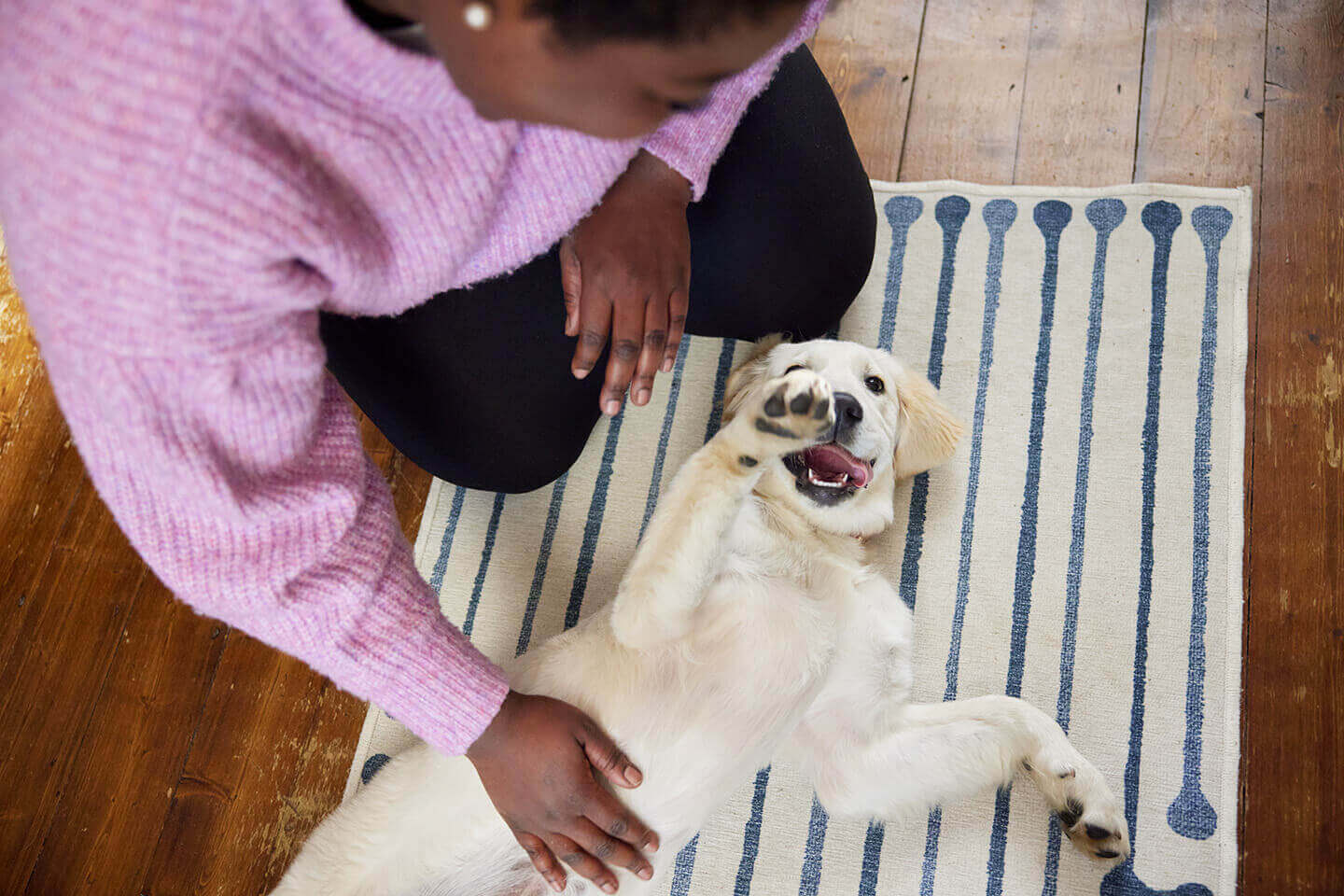
Puppies grow very quickly, and their nails are the same. The nails of a puppy often grow much faster than they can wear down. Puppies can develop a sharp hook on the end of the nails that will get caught on carpets, furniture, clothes and skin. It is important to handle the feet and clip the nails from a young age, as nail clipping is something that may need to be continued for the rest of their lives.
If your puppy has nails with hooks, the nails are long enough to push the toes apart when walking or the nails are getting caught in fabric or carpets, then they need clipping. It is far better to clip the nails than risk them getting broken because they have been caught. The sharp points on the hooks can also cause accidental scratches to your skin during handling or play, so need to be clipped off. Leaving the nails long can also result in damage to carpets, furniture and clothing.
Very young puppies will often need their nails clipping frequently if they are not running around on hard surfaces to wear them down. Older puppies are often more active and will be wearing their nails down, so they do not need clipping as often. If you are worried by or not sure how to clip your puppy’s nails, a vet or nurse from your vet practice can show you how to do it.
If your puppy’s nails grow very quickly, they will need clipping very regularly. Clipping usually starts when pup is around 6 weeks old. It is then continued from then on as necessary.
It is generally a case of just clipping off the very sharp tips, so that the nails cannot get caught and are less likely to cut when they scratch. Clipping tiny tips off the nails regularly will get your puppy used to the clipping procedure and prevent any of the problems caused by having overlong nails.
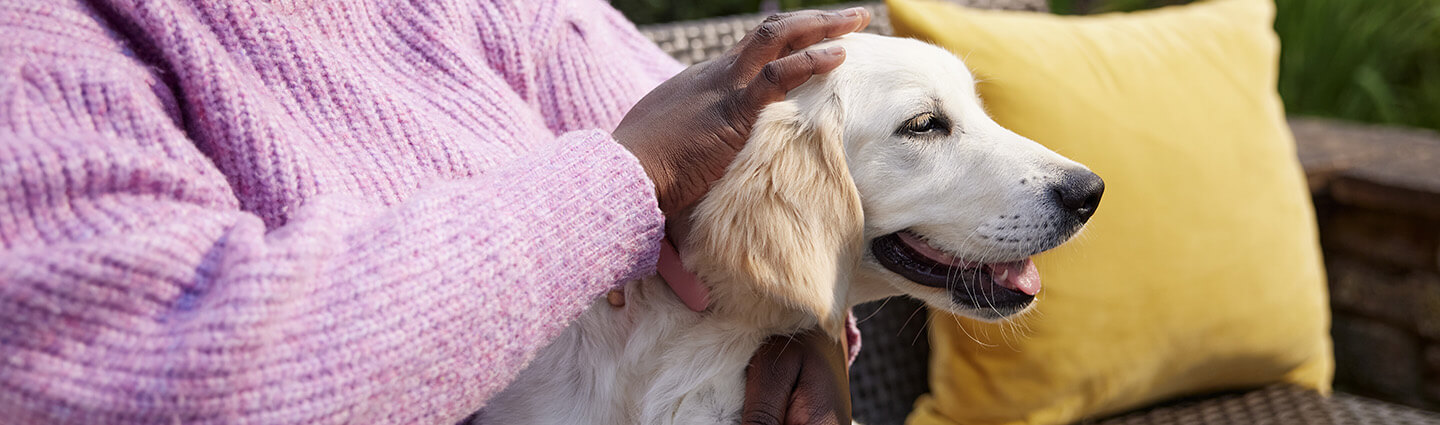
Puppies are naturally wriggly and don’t like sitting still for any length of time. Even when very young, it is important to handle the puppy all over, check their feet, open their mouths, ruffle their ears, and so on, so they get used to being looked over. Handling their feet also makes clipping the claws easier, as they are much less likely to pull away.
When clipping the nails, make sure that the puppy calm and well-supported so that they feel safe. If the puppy feels secure, they are less likely to wriggle. It is easier when clipping for the first couple of times to have two people, one to hold and reassure the puppy, and one to clip the nails. If the puppy is very wriggly or pulling back, just stroke the feet until they settle and try clipping the nails later. Continuing to try and restrain them will make the job much harder in the long run and can result in accidental injury.
Newborn puppies should be handled very gently, and their bodyweight supported while the feet are handled. It should be easy to see the wide part of the nail that contains the quick (the sensitive tissue inside the claw that will bleed if you cut it). The quick looks pink in white or pale nails and if the nails are darker then the quick can sometimes be seen by looking at the nail from the side.
In tiny puppies, you should try to just clip the tip from the nails – cut the nails straight across and only remove the very sharp tip. Make sure that you clip the dew claws on the inside of the front and sometimes back feet as well. Always use a good pair of dog nail clippers – there are many types of clippers available, so try and handle a few and see which one suits you best.
Yes! Dog nail clippers are designed to cut the oval shaped nail without compressing it. Human nail clippers and scissors will crush the nail, causing pain from the quick and risking splitting of the nail material up the length of the nail.
There are several different types of dog nail clippers available, so when looking to buy one, handle a few different ones to make sure that handle size and shape are comfortable for you. The shape of the clipper head also varies so consider the shape of your puppy’s nails before buying. Some breeds have nails that fit tightly to the pad (Pugs and English Bull Terriers, for example), while other breeds (Pointers, Labradors, for example) have nails that are straighter and further away from the pad. If you are unsure about which clipper is most suitable ask in our stores.
The quick is the soft, sensitive tissue inside the nail that contains nerves and blood vessels and will bleed and hurt if cut. In a white nailed dog, the quick can clearly be seen as the pink area inside the toe end of the nail. The claw should be clipped a few millimetres longer than the quick inside.
The quick in a coloured nail can sometimes be seen by looking from the side, but in black nails it is necessary to check the appearance of the cut tip. Cutting the tip of a nail will give a cut surface with a white/grey centre. As you get nearer the quick, the centre will change colour to black and then to pink when it is very close to the quick.
If your puppy's nail is accidentally cut a little too short, it can bleed. If this happens, apply pressure to the cut surface for a minute or two with a cold, wetted pad. Puppy will get bored while this is going on, so offering treats or letting them mouth a toy while you hold them will help.
If the bleeding persists, then a little flour or cornstarch on a pad can be applied. Vets use a styptic pencil or powder that will stop bleeding quickly, so if you are worried that the nail is still bleeding, contact your vet for further advice.
Puppy nails should be a little longer than the quick. The quick can be seen by looking from the side of the nail and is the pink area running from the toe end of the claw towards the tip. The end of the quick can often be seen, and the nail should be just a couple of millimetres longer than the quick. When trimming nails, be careful not to cut into the quick – this will cause pain and bleeding. Cutting too near the quick can also squeeze the quick and cause discomfort, so it is better to clip less off and clip more often.
Your puppy’s nails will grow very quickly and can develop quite a hook on the end. They grow faster than they wear down in small puppies that are not doing lots of exercise on hard surfaces, so can get too long very quickly. The hook can easily become caught in carpets, bedding, soft furnishings and clothing, breaking or pulling the nail off or injuring the toe. A torn nail is very sore, and infection may get into the sensitive tissue and then, sometimes, into the bone of the toe if not treated.
Nails that are too long will push the toes up when puppy walks, causing discomfort and overstretching the toes. Unclipped nails can also grow right round and into the pad if they are left for a long period of time. Puppies’ nails are also very fine and sharp and can cause cuts if they scratch.
All these problems can be avoided by regularly clipping your puppy’s nails.
Both vets and vet nurses clip nails. If your puppy is having its vaccination, the vet will do a full examination and part of that examination is checking the nails and clipping them if necessary. If you are not comfortable to clip your puppy’s nails or want to learn how to clip them, your practice vet or vet nurses can clip claws and teach you how to do it.