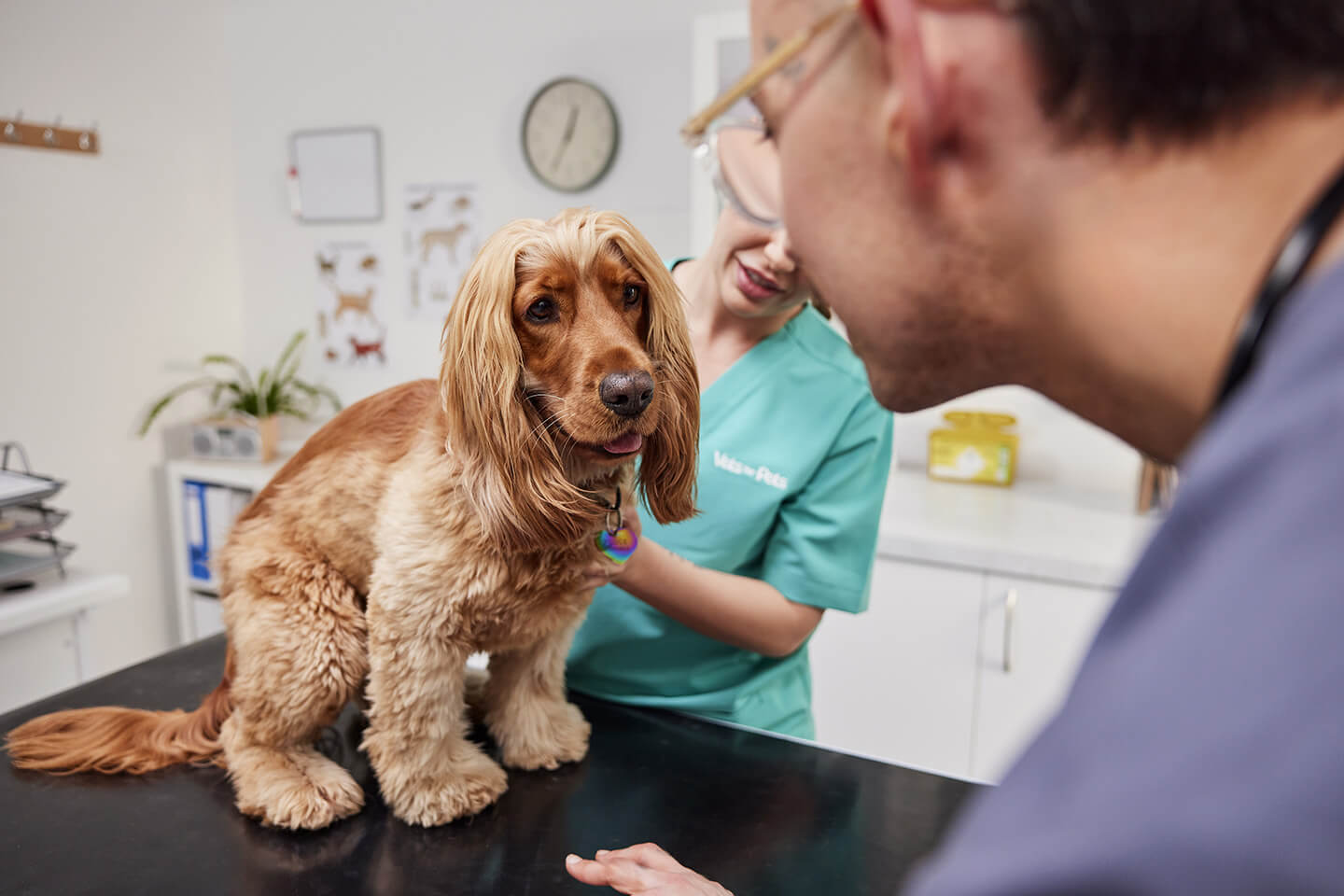
When you’re feeling under the weather with cold or flu symptoms, it’s natural to wonder if you can pass on your virus to your dog. Here’s our myth-busting guide about dog colds and hayfever.
Dogs cannot catch human colds or the human influenza virus, although they can display human cold-like symptoms. Dogs also have their own version of the flu virus called canine influenza. This is rare in the UK and Europe but can be seen more commonly in the United States.
Canine influenza, or the dog version of the flu, can be passed from dog to dog, but not from dog to human. Symptoms such as fever, lethargy, and lack of appetite can be seen. It’s important to note that if you’ve been in contact with a dog infected with canine influenza, you should wash your hands and change your outfit to prevent passing the virus onto other dogs.
Dogs cannot catch the viruses that cause a common cold in humans but they can certainly look like they have one. Symptoms such as sneezing, watery eyes, runny noses, and a hacking type cough in dogs are commonly referred to as an ‘Upper Respiratory Infection’ and caused by a bacteria called Bordatella bronchiseptica. You may have heard it referred to as ‘Kennel Cough’.

Kennel cough is spread between dogs by direct contact with infected secretions like sneeze particles or snotty noses. If your dog has regular contact with other dogs, or will be visiting a kennel, it is advised that they are vaccinated against Kennel Cough. You can ensure a robust immune system by feeding them a healthy and nutritious diet, providing clean water to drink, and keep them warm during walks with a dog coat.
Although the Kennel Cough vaccine will not prevent them from catching Bordatella entirely, it can lessen symptoms and spread. Some breeds, such as pugs, chihuahuas, and French Bulldogs are more likely to struggle when they catch respiratory illnesses, due to the shape of their face.
If your dog is displaying symptoms of a respiratory infection, you should contact your vet. Respiratory infections can progress rapidly, and your pet may need further treatment. Never give them human cold treatments as these can make your dog very poorly.
Hayfever, is an allergy to pollen. This is often found in humans but can also be found in dogs. Allergies are caused by your dog’s immune system overreacting (in this case to plant matter and pollen). The symptoms in dogs can be different than what you’re used to looking out for.
Causes of hayfever-like symptoms in dogs include seasonal pollen, flea bites, dust mites, or food sources. Seasonal allergies can start at any age but usually symptoms start early in life, approximately 6 months to 3 years old.
Depending on the severity of the allergy, you may notice symptoms such as:
- Itching, rubbing or nibbling their paws, eyes, ears and mouth.
- Red, sore, or flaky skin.
- Frequent sneezing
- Red itchy eyes
- Runny nose
- Rashes on their face or paws.
If you spot allergy-related symptoms in your dog – particularly outside of traditional hayfever season we recommend that you speak to your vet.
Treatment for hay fever, or allergies, in dogs is aimed at managing symptoms. There are medicated shampoos, sprays, creams and ear, eye and nasal drops. Depending on the severity of their symptoms, oral medications or injections can help target your pet’s discomfort.
Keeping a diary of your dog’s symptoms can help you identify the most probably cause. At home, you can do the following to help limit their exposure to pollen.
- Go for walks early in the morning or late at night when pollen counts are lower.
- After a walk, gently wipe your dog with a damp cloth to remove pollen from their paws, fur, and face.
- Keep the grass in your garden cut short and reduce your dog’s garden time.
- Regularly wash your dog’s bedding and vacuum the areas they frequent the most.
- During hayfever season, keep windows and doors shut whenever possible.
- Stay on top of your dogs grooming and flea and worming treatment.