
Long summer walks are fun for both us and our dogs. With the promise of some sun on our faces, we head out on our favourite walking routes. Often, there are plenty of other dogs around to play with, but it’s easy for them to heat up and become too warm.
Dogs don’t sweat like we do. Instead, they mainly stop themselves from overheating by panting, by losing heat into the surrounding air by heat being transferred into objects (cold floors for example).
Panting allows heat loss by evaporation, ensuring cool inhaled air enters the lungs, with heat being lost on breathing out. However, if they become too hot, panting isn’t an effective cooling method, and they aren’t able to control their body temperature. Brachycephalic dogs such as French Bulldogs and Pugs have less effective heat reduction with their panting and can overheat with minimum exertion on a hot day.
An overheating dog will pant excessively, with increased respiratory noise and increased drooling. The panting rate increases as the dog gets hotter, and the dog becomes unsettled. They look fearful, with wide eyes, and the lining of the mouth, inside the ears and around the eyes can look a dark pink or red in colour.
Thirst increases, the eyes can look glazed over and vomiting and diarrhoea may develop.
Being unsteady, wobbling or just looking clumsy can be signs of weakness and impending collapse. A very hyperthermic dog can develop seizures and become comatose, some do not recover.
If your dog has any of these signs, call your vet for advice straight away. It is important to start cooling your dog as soon as signs are noticed. Do not wait until you have transported your dog to the veterinary practice.
The best (most effective) ways to begin cooling are:
- Conductive cooling – cold-water immersion. Place your dog into a cool bath or stream for a few minutes. Once they are in you can call your vet for advice.
- Evaporative cooling – spray your dog with water and use a fan (or similar) to promote evaporation of the water. Once you have done this call your vet for advice.
Always take your dog to the nearest veterinary practice straight after using these methods. Ring them to warn them that you are coming so preparations can be made.
Many of these signs can have other causes as well, so if the day is not hot and these signs are evident, please contact your vet for further guidance.
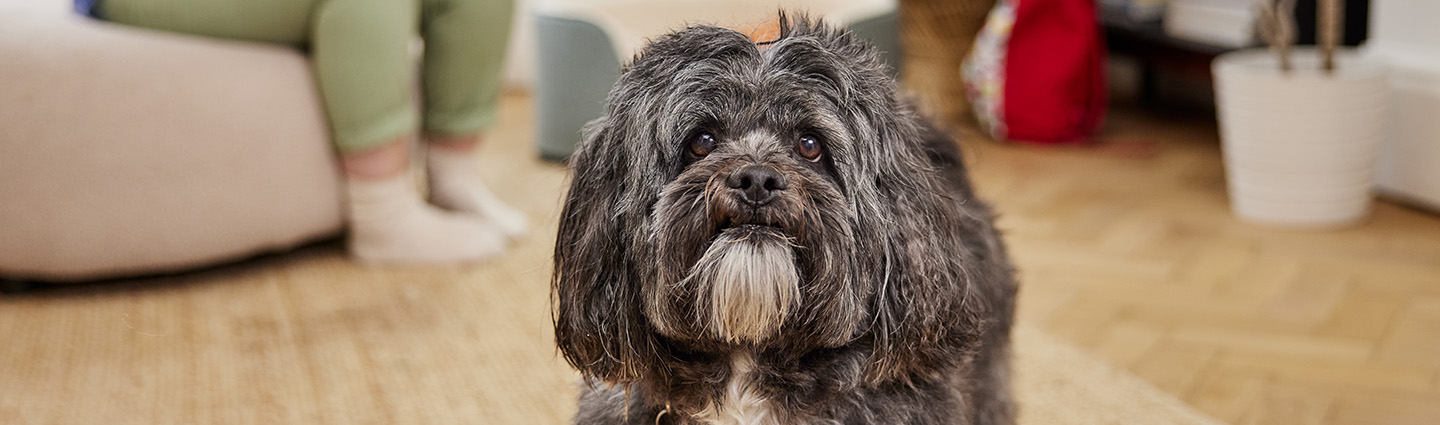
Older dogs instinctively know to seek out the shade instead of walking in the direct sunlight, but younger dogs and puppies may overheat as they are too excited to stop. Always intervene if your dog is exercising or playing too much on a hot day and take steps to cool them down.
Always carry water with you if you are exercising your dog on a warm day, you can give your dog a drink and wet the back of their necks if they get overheated.
Try and walk your dog earlier in the morning or later in the evening to avoid the heat of the day.
Be wary of hot pavements and check the pavement temperature using your hand. The same is true of sandy beaches and other non-grassed surfaces. So, stick to grass or shaded woodlands and parks where it is cooler.
Take breaks on a long walk, in the shade and preferably in a cooling breeze.
If your dog is running around or is looking hot, put them back on their lead and walk sedately (in the shade if possible) or rest for a little.
If your dog is hot, cut the walk short if you can, and take them home to cool down indoors. If this involves a car journey, open all the doors and windows to let the car cool down before putting your dog in it. Then travel with the windows open or the air-conditioning on a low temperature, so they can lose heat by panting.
Inside the house, a cooling mat, a wet towel on the floor or access to a tiled area will give your dog somewhere cooler to lay.
Keep the curtains closed in sunny rooms and use a fan to help the air circulate.
Freezable toys or ice cubes are a refreshing treat. You could also mist water over your dog to reduce the temperature of the air directly around them.
At home, your dog will still want to go into the garden and need to toilet, so on a hot day, try and provide somewhere shady for them.
Avoid time spent on artificial grass. This is often much hotter than real grass and can prevent your dog from being able to cool down (even in shady areas).
Dogs should always have a supply of fresh, cool water, and enjoy ice cubes, either of water or dilute beef or chicken stock to help them cool down.
Short-coated dogs can have a very dense coat and regular grooming will remove any loose fur and undercoat, allowing heat to be lost from your dog by the circulating air flow, keeping your dog cooler.
Clipping a short but dense coated dog is not advised as it can cause damage to the skin and coat, with a very short clip removing protection against sunburn.
Wetting the coat over the neck and shoulders will help with cool your dog down, as will sitting on a wet towel. Never wrap a wet towel around your dog as it will trap heat and make them hotter.
Dogs with a very short coat, with less or no hair in places, such as the ears, belly and nose, can be prone to sunburn. Boxers, Staffordshire Bull Terriers and Dalmatians are especially sensitive. White dogs with a short thin coat can get sunburned through the fur, so extra care must be taken. Keeping your dog indoors and out of the sun during the hottest, sunniest parts of the day will help prevent this. A dog-friendly sun block can be used on very exposed areas.
If your dog is showing signs of overheating, then urgent veterinary attention is necessary.
Long coated or fluffy coated dogs will benefit from a trim at the groomers to remove some length and bulk from the coat. Long and heavy coats have little air between the hairs and the heat from the skin cannot be removed by the circulating air flow. Removing undercoat and trimming the hair lightens the coat and allows more movement within it so heat can escape into the air more easily.
Some double coated dogs such as German Shepherds, have a coat that is designed to keep the dog cool and protect against sunburn, so should not be clipped. Others, such as Alaskan Malamutes, are designed for cooler climates. These need their undercoat removing by a groomer regularly as they are very prone to overheating. If you have a double coated breed our groomers will be able to discuss the most appropriate coat care for their hair type.
Cooling a hot long-haired dog needs shade, a cool surface to lay on (cooling mat or tile floor) and a good air flow over the dog (a fan nearby or in a breeze). If the signs of overheating are severe, then urgent veterinary attention is necessary.
If it appears that your dog is getting hotter despite what you are doing to cool them down, then it is likely that they have heatstroke.
It is important to start cooling your dog as soon as signs are noticed. Do not wait until you have transported your dog to the veterinary practice.
The best (most effective) ways to begin cooling are:
- Conductive cooling – cold-water immersion. Place your dog into a cool bath or stream for a few minutes. Once they are in you can call your vet for advice.
- Evaporative cooling – spray your dog with water and use a fan (or similar) to promote evaporation of the water. Once you have done this call your vet for advice.
Always take your dog to the nearest veterinary practice straight after using these methods. Ring on the way so the practice can prepare for your arrival.
Natural grass has water within it that makes it cooler whether it is in sun or shade. Artificial grass absorbs heat and gets warmer than real grass. Check the temperature of your artificial grass with your hand before allowing the dog onto it on a hot sunny day.
Dog swimming pools are a great way to keep your pet active while giving them the perfect opportunity to cool down as well. There are swimming pools available for dogs throughout the UK, catering for ‘spa’ days out, swimming for both owner and dog or hydrotherapy for recovery from injury or surgery. Older dogs, obese dogs or dogs with mobility problems benefit from exercising with the water supporting the body weight.
A short swim really helps maintain fitness, with the advantage of the water keeping your dog cool. For more advice on safety when swimming your dog, check out the Kennel Club’s handy guide or visit our website.
Cooling mats are made of a tough outer casing with a gel or water inside. The gel-filled mats can be self-cooling – they absorb heat from the dog’s body, then release it or recharge when the animal is not laying on it.
Gel filled cooling mats contain non-toxic materials, but they are not designed to be chewed, so never leave a dog unattended with them. If your dog does chew through the casing and eat some of the gel, contact your vet for advice.
Water based cooling mats are cheaper, but generally need refrigeration or freezing before use. They are not advised to be used straight from the freezer or must have a blanket or towel between the mat and the dog to prevent freezer burn. Any damage to the outer casing will result in leakage, so they are generally not so long lasting as the gel-containing mats.
Good in the short term, these mats will not prevent overheating on their own, but are very useful as part of a combined cooling plan for your dog.
Never leave your dog in a car, even with the windows open a bit. This is true at any time of year, but especially in warm or hot weather when the heat of the sun intensifies as it shines through your car windows.
On a day where it’s 22 degrees Celsius outside, the interior of a car can reach as high as 47 in less than one hour. Dogs in a car on a hot day will overheat within a few minutes and suffer distress, ill health or death.
The person responsible could be prosecuted under the Animal Welfare Act 2006. Punishments include fines of up to £20,000 or as much as six months in prison. In a situation where a dog appears to be suffering, and someone breaks into a car by any means to rescue it, the individual is likely to be excused from any criminal damage charges.
If you have to travel with your dog in the car on a hot day, make sure that you are prepared. Try and plan your journey for the cooler times of day, when there is also less chance of getting stuck in a traffic jam. Pack plenty of water, a towel to moisten for the dog to lay on if they get too hot, a misting spray, sunscreens to provide shade, and a cooling mat or pre-cooled bottles of water for your dog to lay against.
Air conditioning is best but get it running before you start so the temperature is already cool before you put the dog in.
In a car without air conditioning, put it in the shade with all the windows open for a bit before loading up, then drive with the windows open. Do not let your dog hang their head out of the window as there is a high risk of injury from insects/debris in the face and eyes. If you do get stuck in traffic and the car begins to heat up, you could mist water over your dog to cool the air around them, then take a break as soon as you can.
If it very sunny, try and place some shade over the dog. Sunscreens for the windows are vented so they don’t restrict air flow around the dogs. Placing a cool mat under the dog's blanket will help for the journey, but make sure there is enough room for the dog to move off it if they choose.
Making regular stops is important for toileting and having a drink but try and park up in the shade so the car doesn’t heat up while stationary.
You can buy a wide range of dog cooling products at Pets at Home. From cooling mats and vests to refreshing toys, we have everything to help keep your dog comfortable in warm weather. Popular options include the Blue Cooling Mat, the Pop Up Dog Paddling Pool, and the Blue Pop Up UV Tent. Browse our full selection here: Dog Cooling Products.