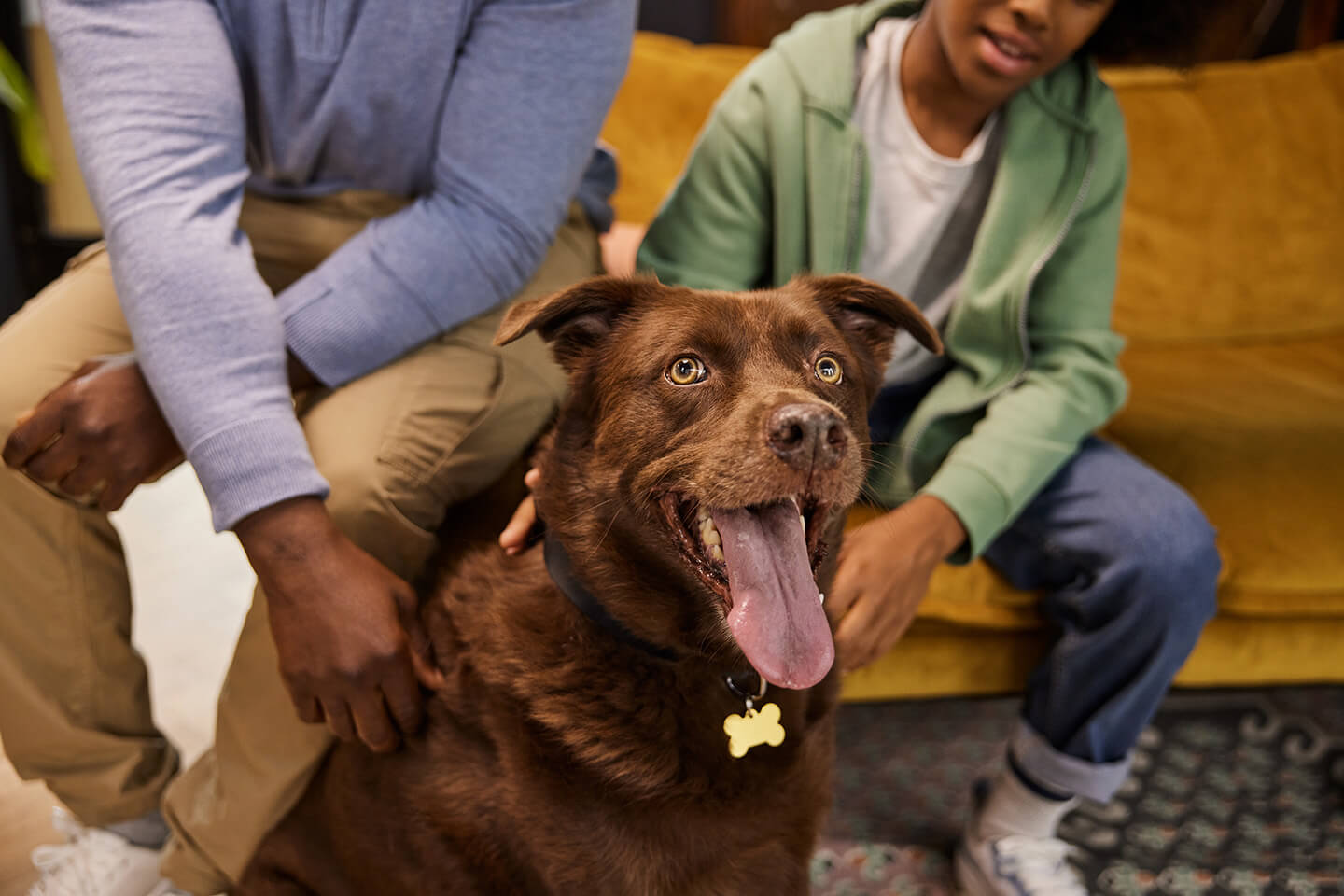
All dogs shed (apart from hairless breeds) but did you know that some breeds shed their coat less than others? Many people think that longer haired dogs shed the most, though that’s rarely the case. Here we’ll explore some of the dog breeds which shed the most and the least, which might be something you want to consider when choosing your new pet.
Shedding is the natural process of replacing dead or damaged hairs with new, healthy fur. Dogs shed gradually all year round, but generally have whole coat moults in the spring and autumn. This is the most common reason for hair loss, but other factors need to be considered if the hair loss appears to be more than usual.
- Breed and coat type: generally, dogs with longer, silkier coats tend to shed more than shorter coarse coats
- Hormones: female dogs often shed more after a season, a mother with pups will also shed more when they are milking heavily when the pups are between 5-12 weeks old
- Too much bathing: Dogs produce natural oils to keep their coats in good condition and too much washing strips those oils, causing dryness and hair loss. Most dogs with healthy skin and coat only need bathing every 2-6 weeks with a suitable dog-friendly shampoo
- Clipping: this doesn’t reduce shedding; it just shortens the hair and makes it less noticeable. It can also cause problems with your dog’s skin and coat
- Other reasons for excessive hair shed include a poor diet with inadequate nutrient content or skin infection and/or irritation
Any concerns about your pet’s shedding should be discussed with your vet.
Anxiety is the long-term behavioural effect of stress in your dog and it impacts upon the whole dog.
Individual stressful events are known to increase hair shed in a dog. If you notice a period of shedding up to 48 hours after a stressful event, it is likely that your dog is reacting to the stress. Stress shedding is very noticeable and tends to appear first on the body then around the hips.
If your dog is suffering with anxiety all the time and has a poor coat, then it is likely that the anxiety is really affecting the physical wellbeing of your dog. Discussing your dog and their anxiety with your vet will enable you to work on managing the anxiety and helping your dog live a more normal life.
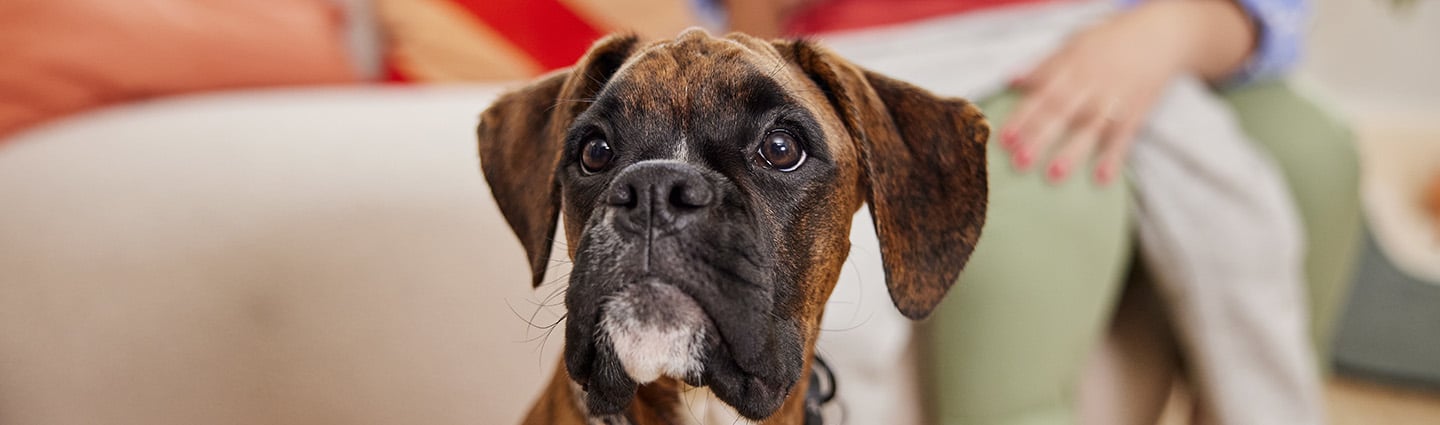
All dogs shed gradually all year round, in varying amounts. True moult is generally twice yearly: in the spring, when the winter coat is lost to prepare for warmer weather; and in the autumn when the summer coat is shed to make way for the thicker winter coat. The moult generally lasts between 3-4 weeks unless the coat becomes matted or compacted.
Grooming regularly will help to remove the fur that is shedding and keep the dog comfortable and the skin and coat in good condition. A groomer may be necessary to help remove the shedding coat if a double-coated dog has a compacted coat, or a long-coated dog develops matts.
Moulting usually happens twice yearly. In the spring, the thick winter coat is shed to make way for the lighter summer coat. In the autumn, the lighter summer coat is shed to allow the thick winter coat to grow through.
There is a small amount of hair shed all year round.
There are many breeds that shed large amounts of fur all year round. Dogs that have dense, longer and silkier coats tend to shed more than dogs with short, coarse coats, but there are exceptions. Heavy shedders include Japanese Akitas, Alaskan Malamutes, Beagles, Belgian Shepherds, German Shepherds, Pugs, Dalmatians, Bassett Hounds, Bulldogs, Chow Chows, Siberian Huskies and Labradors. This would also include any crossbreed dogs that have a double coat.
All dogs shed – but the amount of shedding varies between breeds. Shedding is loss of older fur to make way for the new fur growing through. The smaller, fluffy breeds tend to be a good choice for low shedding levels.
Yorkshire Terriers and Shih Tzu’s are called non-shedding dogs as their hair loss is low and they do not moult. Schnauzers also shed minimally, especially the miniature variety. Low shed breeds include the Irish Water Spaniel, Poodles and Poodle crosses, like the labradoodle or cockapoo. Some Poodle crosses can be low shedders, especially the F1 crosses, but others may shed much more, and it is difficult to predict which puppies will be low shedders. All of these breeds still need regular grooming and trimming.
Greyhounds have a very short coat that need less coat maintenance.
People with dog allergies react to the dander (skin flakes) that is on the shed hair. Breeds that are low in shed and dander include the Bichon Frise and the Maltese. The fur of the Samoyed does not contain dander, so even though it does shed, it can also be a good choice for people with allergies.
Hypoallergenic dog breeds are those breeds that shed less hair or shed hair that is low in dander. People with allergies react to the dander (skin flakes) that is attached to the hairs that are shed.
All dogs shed some hair all year round, but some breeds such as the Poodle and the Irish Water Spaniel shed much less hair. Yorkshire terriers and Bichons do not moult, while the Samoyed sheds some hair, but does not produce dander. These dogs will still need grooming regularly to reduce shedding, and frequent vacuuming is necessary to remove any hair from the environment of people with allergies.
The severity of your allergy should be considered before committing to a pet, as they should only be brought into your household if you can care for them for their entire lifespan.
While it’s not possible to stop a dog shedding entirely, there are ways that you can manage your pet’s moulting. A regular grooming routine will remove all loose hair in a controlled manner – instead of it covering your carpets, furniture and clothes. An unsuitable diet can affect the skin and coat quality and condition, so a dietary change may help. Stressful events can affect the skin and coat condition and increase the amount of shed and dander. Underlying diseases can also affect shed and leave the coat very thin or even bald, so advice from your vet should be sought if the hair loss is excessive or patchy.
Yes. Most dogs will benefit from regular grooming to help their skin and coat stay in good condition. Loose hair is removed in a controlled way, reducing the amount going all over the house. Your dog will also feel more comfortable. Every breed has a different coat and needs a different grooming frequency with a brush for its coat type.
For heavy shedders, there are various de-shedding tools available that can reduce shedding by up to 90%. They work by removing loose hair as well as going under the topcoat to remove the undercoat. A range of brushes for normal grooming of all hair types is also available.
If you are concerned that your dog is shedding excessively, it may be worth visiting your vet to see if there is any underlying cause to your dog’s hair loss. If it is time for your dog to visit a groomer, book an appointment at your local Pets Grooming salon using the online booking platform.
Double coated dogs usually shed their coats seasonally. If their guard coat becomes matted, the undercoat becomes trapped and compacted within it and can cause problems. An experienced groomer should be able to remove the compacted undercoat without clipping and with little pain and discomfort to your dog. “Shamblasting” is a technique where the undercoat is blasted out with a high velocity dryer while the dog is being shampooed.
Long coated dogs with no undercoat can develop matting very close to the skin that can be very hard to remove. Your groomer may need to clip the coat short to remove the matts if brushing is not enough.