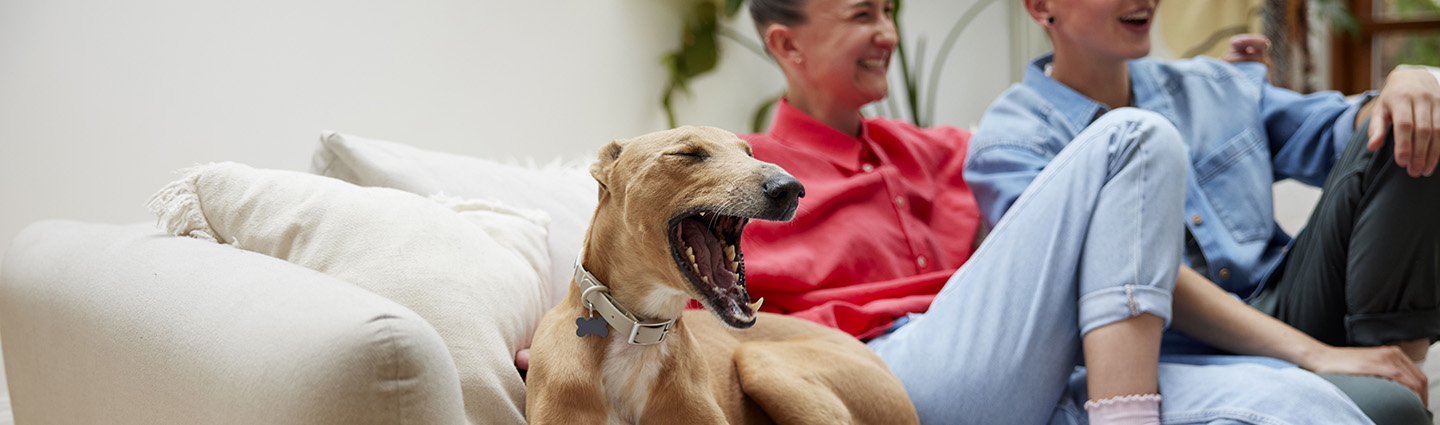
Dogs are known for their love of naps, often curling up for a snooze multiple times a day. But how much sleep do they actually need to stay healthy and happy? The answer varies based on factors like age, breed, and activity level. Puppies and senior dogs require more rest than active adult dogs, while certain breeds are naturally more inclined to lounge. In this article, we’ll explore the sleeping patterns of dogs, how to ensure they’re getting enough rest, and signs that might indicate sleep-related issues, helping you support your canine companion’s overall well-being.
Puppies will sleep for around 17 hours per day (70% of their day), while adult dogs will sleep for around 50% of their day but then spend another 30% of their day awake but relaxing. So, whatever the age of your dog, they will enjoy taking a nap or three during the day as well as sleeping all night.
Puppies, older dogs and dogs with underlying health conditions all need more sleep, while working dogs and some of the smaller breeds manage with a lot less and are on the go for much longer with no ill effects.
Sleep is important for both the physical and mental health of dogs. It is when consolidation of learning occurs and when the day-to-day body repairs take place. A sleep deprived dog can have a less functional immune system and be at higher risk of infections, or just be more grumpy than normal.
Any changes to your dog's sleeping pattern or how awake and alert your dog is between sleeping times can be markers of an underlying health problem, so monitor your dog and their sleeping and alert the vet if anything changes.
Some breeds of dog will sleep more than others. Giant breeds, such as Newfoundlands and St. Bernards, will sleep most of the day, while bouncy smaller breeds, such as terriers, can be active for much longer. The amount of time spent sleeping is rarely an issue. You will quickly learn the normal sleep patterns and routines for your dog. Issues are often noticed when the amount or type of sleep changes.
A change in routine can affect how much your dog sleeps. Increasing their exercise or training will make then sleep more, while a decrease in activity, for example, a work-at-home owner going back out to work, can leave them a bit bored and more sleepy.
Make sure your dog is getting the correct nutrition for their breed, size, bodyweight and level of activity is important. Feeding too little will cause tiredness as can a diet that is incomplete nutritionally.
If your dog has also developed any other signs of illness, such as weight loss or gain, stiffness, changed appetite, increased drinking and urination or changes in breathing, then a check-up by your vet is in order.
Breathing changes while asleep should always be checked out: – some dogs can breath-hold (sleep apnoea), while for flat-faced breeds especially, snoring can cause problems with depth of sleep, leaving your dog unrefreshed and permanently tired. Again, a vet check is advised if your dog is showing any of these signs.
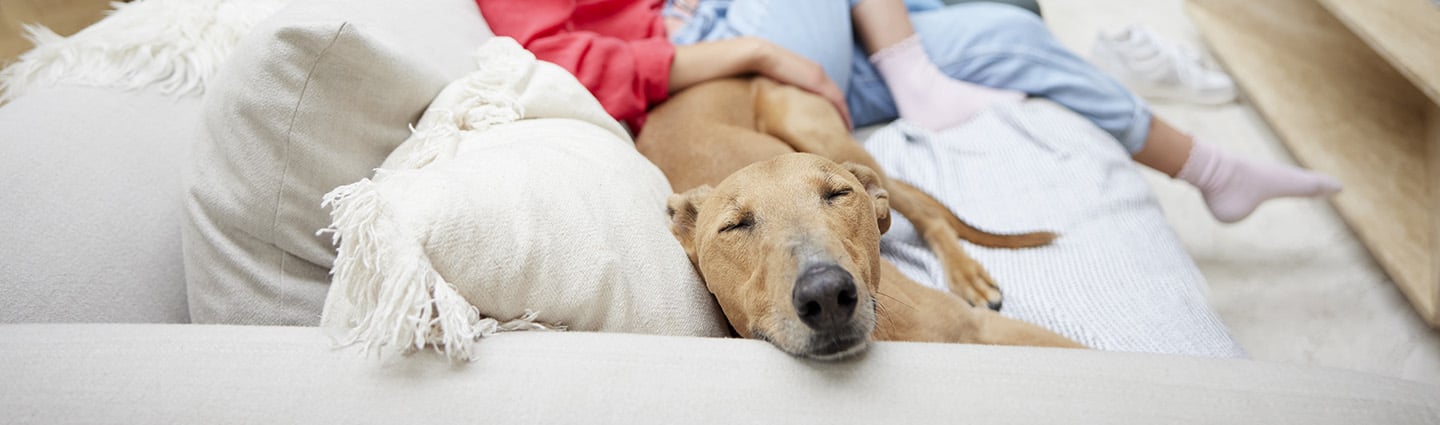
Dogs and puppies have a range of sleeping positions, which can say a little about how your pet is feeling.
Laying on their back with the belly exposed shows a feeling of safety.
Laying on their side – seen in very relaxed dogs as well as in many puppies that have just dropped to sleep after a mad run round, or in older dogs with arthritis etc.
Curled round in a ball – seen in dogs that are a bit chilly or in dogs that protecting themselves – often seen in rescue dogs or new dogs in the household.
Laying on their belly with front legs stretched out in front and the back legs stretched out behind - seen a lot in playful puppies, this is thought to show a readiness to get up quickly if needed. On a hot day and laying on a cool floor, this is the best position for cooling off as all the underside contacts the floor.
Sleeping on or next to a person or another dog shows affection and a close bond.
Sleeping with the head higher than the body. If your dog is a flat-faced breed, this sleeping position can mean that it helps them to breathe easier when sleeping. For other breeds, this position is either just comfortable or can signal a problem with breathing. If your dog is unwell and doesn’t normally sleep in this position, a check over with your vet is advised.
If your dog burrows under blankets, they could just be chilly, or they could be using the blankets like a comforter. Nervous dogs will often bury themselves like this.
So, keep an eye on how your dog is sleeping, as a sudden change in position may be a pointer to a disturbance in how your dog feels, physically and mentally.
Sleeping behaviours include what your dog does before sleeping, where they like to sleep and what happens while they sleep.
Your dog will most likely pick their own spot for sleeping, whether that is on the sofa, on your bed, on the hard, cool floor or on the provided dog bed. Many dogs then spin around, digging at the bedding area. This is a natural behaviour and is thought to be a way of checking that the area is suitable for resting.
Once your dog is comfortable, they will drift into a light sleep, then into a deep sleep – or REM (Rapid-Eye-movement) where dreaming occurs. During an episode of sleep, your dog will move between these two levels several times.
Dogs can be easily roused from light sleep, but some can be grumpy if roused from a deep sleep. It follows that it is best not to disturb your dog when it is sleeping. Even stroking your pet when they are in a deep sleep can wake them suddenly and trigger a warning or a nip. Children especially, must learn to let sleeping dogs lie.
Dreaming occurs during deep sleep, and your dog may bark, twitch their muscles or even move their legs as if running. A dog’s brain has been shown to be as active during deep sleep as when they are awake, whether or not they are showing signs of dreaming.
If your dog is shaking in their sleep, it could just be part of the normal deep sleep. If the shake continues for a while, try gently calling your dog’s name to rouse them. Once roused, have a feel of your dog's ears and feet, to check if they are chilly. If they are cold, try and add some extra bedding or maybe move them somewhere warmer.
If your dog continues to shake when awake and they are not cold, then it is pointing to an underlying condition and veterinary advice should be sought.
Shaking or tremor is seen when the dog is responsive and aware of their surroundings, seizure is when the body has muscle activity, but the dog is not responsive. Most seizures happen when the dog is either awake or waking up, but some dogs may have a seizure while they are asleep.
Tremors tend to be full body or localised – to the head, for example. They tend to persist for longer periods of time than a seizure and the dog continues its normal behaviour as much as is possible can during the episodes.
A seizure may well result in the dog weeing or pooing during the episode, involves full or partial body muscle activity and will continue for a minute or two before the motion reduces and then stops. The dog will then take a period of time to recover.
Tremor can be caused by local neurological or muscular stimulation and can be triggered by toxins, disease processes or be a condition of certain dog breeds or types (Bulldogs, little white dogs etc). Seizures are triggered by overactivity in the brain itself, that can again be caused by toxins, other disease processes or epilepsy.
Noting down what happened around an episode and videoing the tremor or seizure can be helpful for your vet. Any suspicion of tremor or seizure should be discussed with your vet.
If your dog’s breathing is fast for a short period only when sleeping, especially if there is an occasional bark or leg twitches, then they are likely to be dreaming. Breathing in light sleep is slow and deep, but in deep or REM sleep, the breathing rate can vary according to what your dog is dreaming about, so they will breathe fast, then slow, but will not breathe fast for a prolonged period of time.
If you think that your dog's breathing is much faster than normal while they are sleeping, then it could be the first signs of an underlying health condition of the heart and/or lungs.
The best way to check is to get a Resting Respiratory Rate (RRR) for your vet. As your dog sleeps, you can see the up and down movement of the chest wall when they breathe. The RRR is how many ‘ups’ of the chest wall in one minute. This tells your vet how hard the heart and lungs are having to work when your dog is not under any stress. Your vet can then plan any necessary investigation.
When you first bring your puppy home, they have experienced huge changes: removal from mum and littermates, complete routine change, new people, new environment and other animals, all in a short time frame. They will be feeling unsettled and probably a little anxious, so settling to sleep can be difficult for them.
Try and keep some things the same for your puppy. Use the same diet and feeding times and asking the breeder for a blanket or toy that smells of mum can help your new pup to settle. Set up a safe, cosy bed or crate in your bedroom to start with (you can gradually move pup to your preferred position once they are sleeping well and don’t need to toilet overnight). Being near you will help pup to feel reassured, helping them to settle and also helps you see if you need to take pup out overnight.
If your older dog is not sleeping, a different approach is needed. There are several reasons for interrupted sleep in adult dogs.
Dogs have very good hearing, so any unusual sounds from outside may well wake them. Foxes, owls, fighting cats and other outside creatures can all cry loudly at night and catch your dogs attention. People talking as they walk near the house and noises such as thunder, fireworks and cars backfiring will rouse many dogs.
Dogs with underlying health problems can also have trouble sleeping. Arthritic elderly dogs can have real problems getting comfortable enough to sleep or have to keep getting up and shifting position during the night.
Dogs with allergies that are uncontrolled cannot sleep properly because they are itchy. Like people with toothache, it seems worse at night when there are few distractions, so your dog that has hardly scratched all day will show more signs during the night.
Older dogs can develop Canine Cognitive Dysfunction (dog dementia) and lose their day-night routine, often sleeping all day and then pacing or fretting all night.
If you think your dog’s lack of sleep is due to a health condition, a discussion with your vet can give ways of controlling the condition, keeping your dog more comfortable and helping them to sleep.
If you have a dog that will not sleep, always have a check over with your vet first. Your vet will work out if your dog is painful (arthritis), itching (allergies), has other conditions such as canine cognitive dysfunction or hormonal conditions, or is anxious. They can discuss medications to help manage the conditions and hopefully help your dog to sleep better.
There are many supplements and remedies available online and in stores that contain ingredients that may help your dog to relax and calm down before bed. Always ask your vet before starting these medications, especially if your dog is on other medications already.
Dogs can sleep with their eyes open. The flat-faced, pop-eyed breeds, including Pugs, French Bulldogs and Boston Terriers are known for this. When they sleep, the centre of the eyelids may not quite meet, leaving a small gap that is not closed over the front of the eye. These breeds can have other problems with the amount and quality of their tears and if the eyelids do not close properly, this increases the risk of ulceration in that area of the eye surface.
If you think that your dog is not closing their eyes properly while sleeping, mention it to your vet as treatment to help prevent drying of the eye surface may be needed.
You first need to supply a nice, comfy bed for your dog to sleep on where you want them to sleep. Use positive reinforcement training throughout and do not punish your dog if they get on the bed again. With a treat, you need to teach your dog that they have a new bed – using the same command every time, ‘on your bed’ for example. In a happy but firm voice, use the command and encourage your dog to get onto the new bed, then reward them when they do it.
If your dog has always been in the bedroom with you, place their bed near yours. If your dog tries to get onto your bed, say a firm no, then in your cheerful voice and with treat in hand give the ‘on your bed’ command and reward when your dog goes onto their bed. Repeat this until your dog stays on their bed. It can take several sleepless nights before your dog will get the hang of this, so try and do it when you are not busy through the day. Gentle firmness and consistency with a bucketful of patience are needed, but most dogs learn in time.