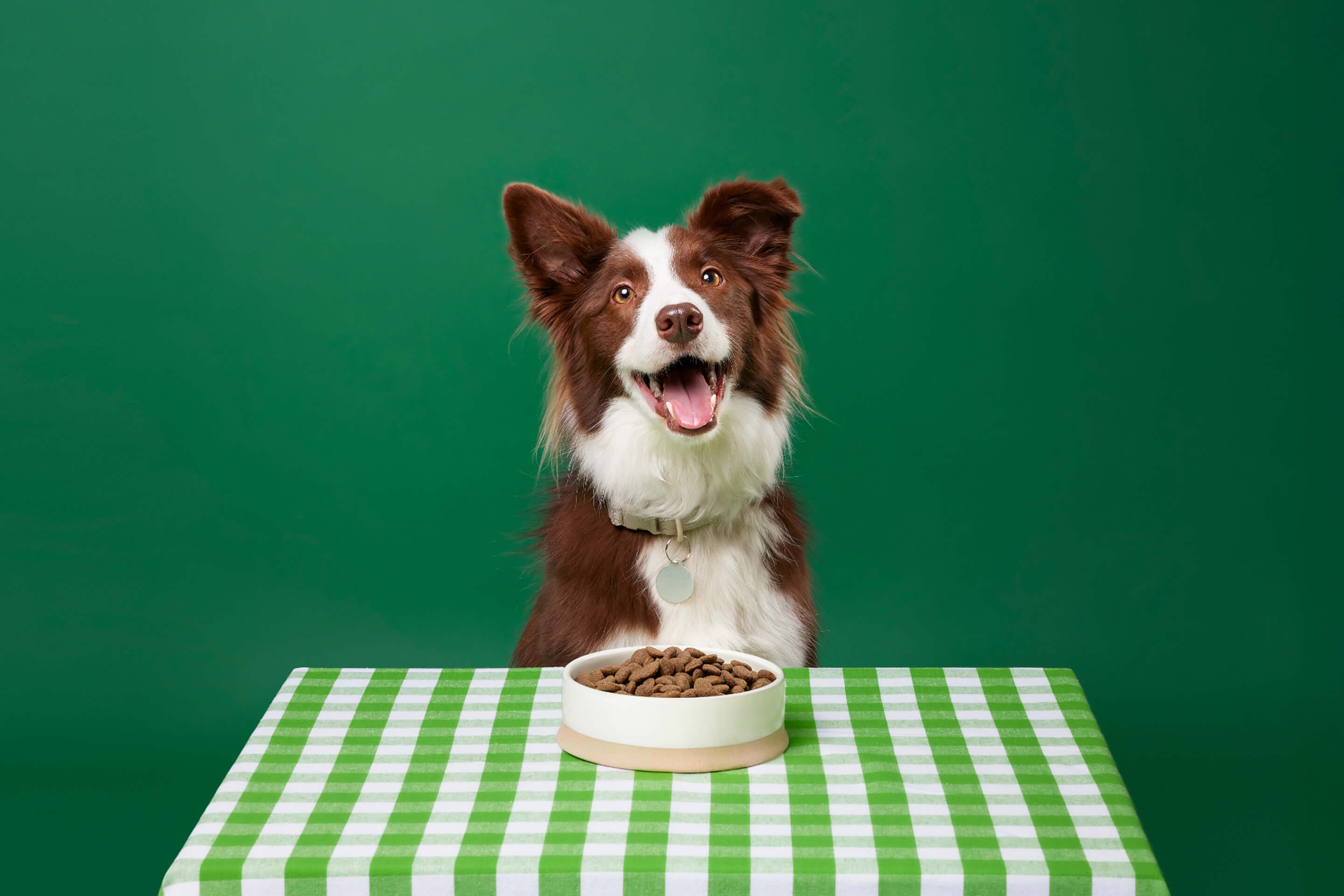
A dog’s dinner: how to feed a dog
Feeding your furry friend well can feel overwhelming! Wading through all the options in the dog food aisle is often like chasing your tail.
Thankfully, the basics don’t change: your dog needs balanced nutrition to help keep them healthy, bright-eyed and ready for their next adventure.
A dog’s dinner
To learn more about feeding a dog, check out this short video.
What’s the best thing to feed a dog?
Dogs need a complete, nutritionally balanced diet that matches their age and needs, plus your household budget.
There are a wide range of food types to choose from. At Pets at Home we have seven types:
The Vet Diet includes foods that are clinically proven options recommended by vets.
The Science Diet has scientifically formulated foods endorsed by experts in pet nutrition.
The Wellness Diet features natural options that specifically target pet health and wellness.
The Taste Inspired range showcases recipe-based nutrition for anyone that wants an alternative to home-cooked meals.
The High Protein range offers food loaded with protein, inspired by ancestral feeding habits.
The Natural Choice range features wholesome, natural ingredients.
The Everyday range offers good quality staples, at a reasonable price.
These foods come in every style you can imagine: gravy, jelly, pate, kibble, raw, and cold-pressed. Enough variety to satisfy most canine critics.
If the label says complete, you’re covered. These foods are nutritionally balanced, providing everything your pet needs in the right proportions. You can feel confident feeding most pets this daily, without adding anything extra. A good example of this is Wainwright’s Complete Dry Dog Food & Butcher's.
If the label says complementary, you’ll need to pair it with something else. These foods are made to be just one part of a pet's diet, and don't give them all the necessary daily nutrition. It's important to pair them with something like mixer biscuits for a balanced diet. A good example of this is Natures Menu Mighty Mixer with Salmon and Potato.
Home-cooked food is also a possibility, but balancing nutrients is far harder than it looks. If choosing this option, it’s usually best to consult a vet on how to make sure they get all the necessary nutrients.
Can my dog eat only kibble?
Yes, a complete dry food can absolutely be their sole diet.
It’s practical, cost-friendly, and perfect for dogs who like to snack at their own pace.
Dry foods often have a higher carbohydrate content, but that doesn't stop them from delivering the right protein levels for your pet. They’re a really good form of energy-dense nutrition. Just keep an eye on portion sizes; kibble has a talent for quietly piling up if you’re not measuring. Using a weighing scale is the best way to make sure they always get the right amount. Kibble can also help to support tooth health, as they provide mild abrasion for your dog’s teeth. Do bear in mind that kibble has low moisture content, which means you’ll need to make extra sure they’re staying hydrated throughout the day.
Puzzle toys can also turn mealtime into a mini challenge. They act as a small mental workout that keeps their brain as busy as their appetite.
Can my dog eat only wet food?
Yes, complete wet foods can cover all the nutrients they need.
They pack more aroma and flavour, which is ideal for the selective sniffer.
They also boast a high moisture content, making them a great choice for hydration. They're sealed and cooked in their packaging to maintain freshness and moisture, so they're shelf-stable. And they come in cans, trays, pouches, cartons and tetra packs, so you have the convenience of single-serve packs and multi-serve options.
But once open, wet food can’t loiter. Offer it in meals, and don’t leave it out all day, particularly in hot weather. If you’d rather avoid half-used tins haunting the kitchen, stick to single-serve packs. It’s also worth remembering that a diet of purely wet food will require more tooth brushing, to avoid dental disease.
Can I mix wet and dry food?
Yes, plenty of dogs enjoy a mix. Just keep an eye on the overall calories. Follow the feeding guides so your dog ends up satisfied, not drifting into ‘well-covered’ territory.
What about fresh food?
Fresh dog food is made from minimally-processed ingredients like fresh meat, vegetables, fruits, and grains, and is cooked at lower temperatures to help retain nutrients.
They’re usually ready-to-serve meals or portioned pouches, and they’re made to be complete and balanced. But do bear in mind the quality and nutritional balance can vary between brands.
It has increased moisture to support hydration, and can have great flavour and aroma to encourage even picky eaters. Clear ingredient lists should also give you greater confidence in what you’re giving your pet.
Some other things to bear in mind: fresh diets need to be refrigerated or frozen, they have a shorter shelf life once opened, and can be more expensive.
What about raw food?
Raw pet food can provide adequate nutrition, but there’s limited evidence to show that it offers additional health benefits over other diets. If you choose a raw diet, commercially prepared options that are complete and balanced are the safest choice. Raw diets can be highly digestible, which may improve stool quality compared to dry food, and chewing raw meaty bones may support dental health. Their high fat content may also contribute to improved coat quality.
But raw diets carry several important risks. Bone content can lead to dental fractures or intestinal obstructions, while the high fat content increases the risk of obesity and pancreatitis. They also present a greater risk of bacterial diseases, including E. coli, and freezing only inhibits the growth of bacteria and parasites rather than killing them, making strict hygiene really important.
What is freeze-dried dog food?
Freeze-dried raw food starts as raw food, then has the moisture removed to create a light, easy-to-store meal that doesn’t need thawing. A great example of this is AVA Freeze Dried Dog Food Topper. It’s de-iced before your dog ever gets their paws on it. It can still carry bacteria though, so wash hands after serving. It’s no different than if you just handled raw meat.
What is vegan dog food?
Vegan dog food skips animal ingredients completely. Plenty of brands now offer balanced vegan diets, and since dogs are omnivores, many love them. There’s currently limited evidence on the long-term health benefits, but we’re still doing more digging. So speak to your vet before going fully vegan.
Also be aware: some ‘plant-based’ diets sneak in vitamin D3 from sheep’s wool, which makes them plant-based rather than fully vegan. If you want the real deal, check the label.
Can my dog eat human food?
Home-prepared diets are notoriously hard to balance.
But small amounts of safe human food like broccoli or cabbage can be great additions for dogs watching their waistlines.
However, some human foods are firmly on the no-go list for dogs:
- Grapes and raisins (can cause kidney failure)
- Onions and garlic (can cause life-threatening anaemia)
- Xylitol (can cause a dangerous drop in blood sugar)
What is cold-pressed dog food?
Cold-pressed food is made by pressing ingredients at lower temperatures than standard kibble — 45–80°C instead of the full hot-kitchen treatment. The lower heat preserves nutrients and keeps the smell and flavour closer to the ‘real thing’, which most dogs can sniff out.
It stores well and lasts for months unopened. It should not, however, be kept in airtight containers (condensation and cold-pressed food are not friends). It also reduces bacteria, though not quite as much as traditionally cooked kibble, so handle it with the same sensible care.
What is grain-free dog food?
Grain-free diets avoid wheat, barley, rice and soy, using legumes, potato or sweet potato instead. It’s uncommon for dogs to suffer from gluten-related disorders, but some owners still prefer grain-free as a ‘natural’ option.
What is hypoallergenic dog food?
Hypoallergenic diets avoid common triggers such as wheat, beef, soy, dairy and certain additives. A great example is Royal Canin Veterinary Hypoallergenic Dry Dog Food. Because ingredients differ between brands, one “hypoallergenic” bowl may land better than another. Dogs can be particular about these things. Because ingredients differ between brands, one “hypoallergenic” bowl may land better than another. Dogs can be particular about these things.
Anallergenic diets take things even further, breaking proteins down so finely that the immune system barely registers them at all. Your vet will be able to advise on which diet is best for your dog.
FAQs
Puppies need different food to adult dogs because they are growing rapidly while also adapting to major life changes, including weaning, moving to a new home, meeting new people and animals, and visiting the vet. During this stage, they need higher levels of energy, protein, healthy fats, vitamins, and minerals to support the development of their muscles, bones, teeth, joints, brain, immune system, and digestive system. They also have smaller mouths and stomachs, so puppy food is typically made with smaller kibble or softer textures and is fed in smaller, more frequent meals. For large and giant breed puppies, carefully balanced levels of calcium and phosphorus are especially important to support healthy skeletal development and reduce the risk of growth-related problems. Feeding a complete and balanced puppy diet helps provide the nutrients they need to develop into healthy adult dogs.
Check out this article for more information:
https://www.petsathome.com/pet-advice/puppy-feeding
Senior dogs need different food to adult dogs because, as they age, their bodies become less active and their nutritional needs begin to change. Most senior dogs require around 20–25% fewer calories to help maintain a healthy weight, while still receiving enough essential nutrients, especially if they are eating less. Senior diets are designed to support healthy ageing by helping maintain brain function, muscle mass, immune health, digestive function, and joint health through carefully balanced levels of protein, fats, fibre, vitamins, and minerals. They may also include softer food or smaller kibble to make eating easier for dogs with tooth loss, gum disease, or a reduced sense of taste and smell. Feeding a diet formulated for senior dogs can help keep them comfortable, healthy, and maintain a good quality of life as they age.
The amount you should feed your dog each day depends on the type of food they are eating, their weight, and their individual needs. Feeding guides on pet food packaging are designed to provide a useful starting point, but they are only a guide, as every dog is different and may need slightly more or less food depending on factors such as their age, activity level, and body condition. Most feeding guides are based on body weight and are shown as grams per day for dry food or pouches or trays per day for wet food. If your dog's exact weight isn't listed, you can estimate the correct amount by using the feeding ranges on the chart. For example, if a food recommends 170–290 g per day for dogs weighing 10–20 kg, the daily amount increases by 12 g for every additional kilogram of body weight. This allows you to work out an appropriate feeding amount even when your dog's weight falls between the values shown.
Read this article for more information on dog obesity:
https://www.petsathome.com/pet-advice/dog-obesity
Last updated: