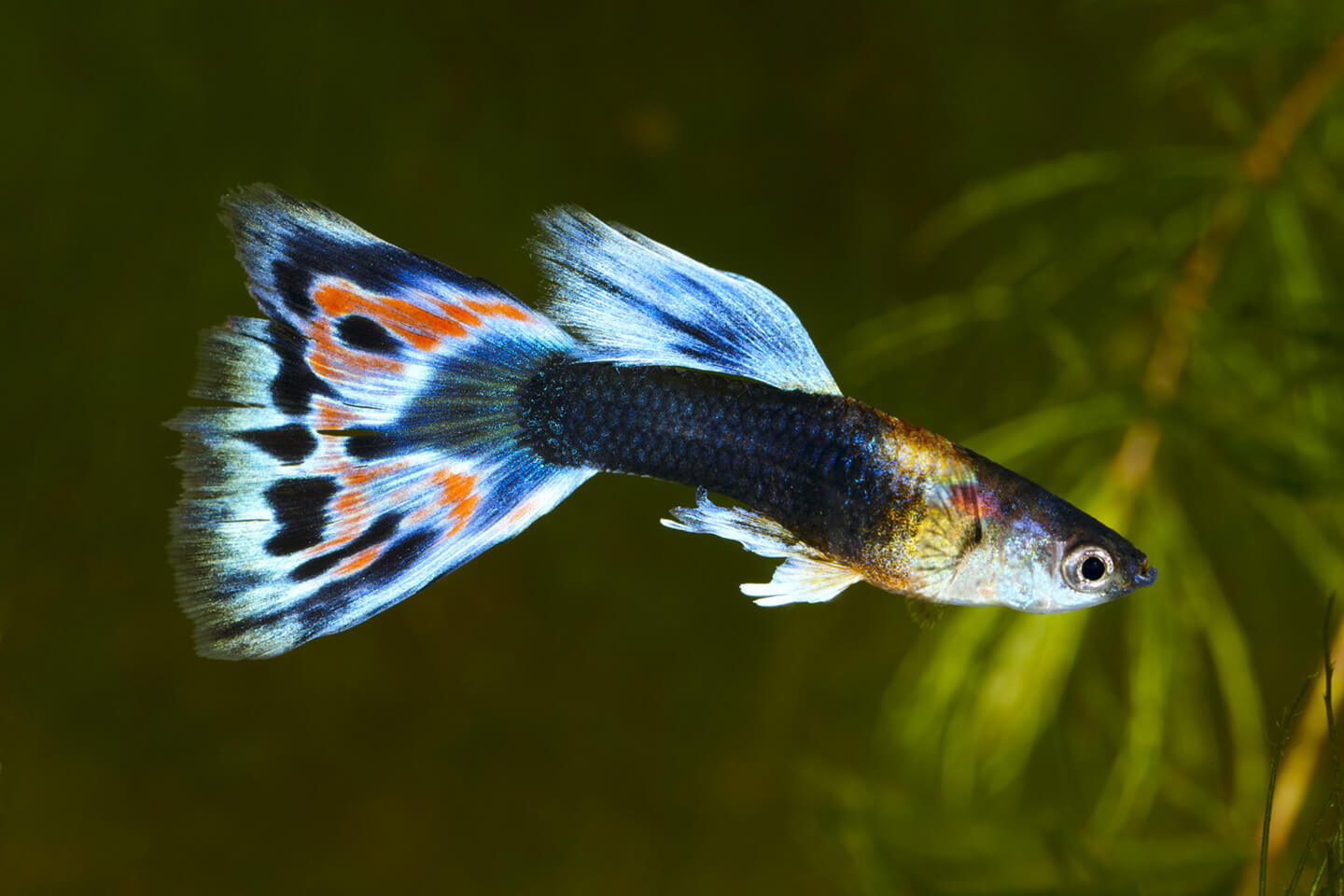
An aquarium full of colourful fish may be lovely to look at - but it’s important to remember that they’re living, animals that need to be taken care of properly too. Keeping an eye on your fish’s health and watching out for unusual behaviour is crucial to ensuring that they remain happy and healthy in their new home.
Your fish’s health can be affected by many things. Fish require a suitable diet and environment to thrive. It is also important to ensure they have appropriate company if required and enrichment items in their aquarium to allow natural behaviours to be expressed.
One of the most common causes of illness is poor water conditions. This is most often caused by an excess of toxic waste products or a lack of oxygen. This is, however, far from the only reason that your fish might develop a health complication. Knowing what symptoms to look out for is crucial for treating your fish and preventing them from becoming ill again.
- Loss of appetite - A fish that goes off its food is a cause for concern. Fish should be eager to eat their food, and a disinterest could signify that there’s something wrong.
- Low energy levels - Alert and sociable fish tend to be the healthiest, so if you notice that fish are becoming less active, there’s probably an issue.
- Damaged scales - Damaged or irregular scales could mean that your fish has been in a disagreement with another fish, or that it’s been bumping into decorations or even the sides of your tank.
- White or pale spots - If you see white or pale spots on your fish, they might have white spot disease (also known as ich). It’s caused by parasites that target the softer tissue on fish, such as their gills, and can be fatal.
- Sinking or uneven swimming - Healthy fish should swim freely around their tank with little trouble. If they start to sink or swim unevenly, it could be a sign that they have swim bladder disease, especially if they also have a bloated stomach. The disease can be caused by a number of things including trapped gas, bacterial infections like dropsy or constipation.
- Difficulty breathing - If your fish start to gulp water or gasp at the surface of your tank, chances are they’re suffering from oxygen starvation. This is caused by the water in their tank not being aerated properly by the filter.
If you notice any of the above symptoms discuss them with your vet. Our store colleagues would also be happy to advise you.

If you’ve been able to correctly identify the cause of your fish’s poor health, you may be able to treat them yourself. If you’re ever unsure you can discuss their health with a Pets at Home fish health expert. If your fish is very unwell or has a problem that cannot be identified or is serious you need to contact your vet.
Regular partial water changes and water testing are crucial. Fish often become unwell when their water quality is poor. It leaves them more prone to catching diseases. Maintaining good water quality is the best way to prevent illness in your fish.
It can be difficult to differentiate between stress and illness in fish. This is because stress is a contributor to disease. If your fish is stressed, you may see similar symptoms to those of a diseased fish.
Symptoms of stress in fish:
- Odd swimming patterns or swimming frantically.
- Rapid breathing (movement of the gills) or gasping at the water surface
- Body colour changes
Yes, as with all animals your fish can recover from illness provided the illness is identified quickly. If they receive the correct treatment and care they should recover well. You will need to ensure you prevent future illness where possible once they recover.
- Dropsy – The scales of your fish become raised (giving the appearance of a pinecone). Your fish is likely to be lethargic, moving less and uninterested in its food. The treatment for dropsy involves adding an anti-bacterial treatment to your aquarium, carefully following the instructions to ensure the right dose
- Fin/tail/mouth rot – Fins or the tail begin to look frayed. The mouth may look decayed or develop pink or white patches of fluff. Anti-fin rot treatments are available. You can also add aquarium tonic salt to help, but you should check any instructions before using both at the same time. Areas affected may regrow, but this could take a while
- Fungus – This usually appear growing on fish as white or grey patches that look like cotton wool. Fungus can appear on the body or fins and is particularly common in livebearers. Fungus is easy to treat with an anti-fungus remedy. Aquarium tonic salt can also work to treat fungus, but you should check any instructions before using both at the same time.
- External parasites – These can often be seen attached to your fish. Fish lice are the most common parasite and look like round discs or small bugs. Anchor worms are also common and look like a white or green thread hanging from the fish. Never try to remove parasites by hand. Instead, add an external parasite treatment. These tend to be most common in coldwater fish, especially in ponds.
- Slime disease – Your fish will become covered in excess mucus, which makes it a cloudy grey colour. Rapid gill movements and a lack of activity may also be noticed. Specialist slime disease treatments are available. Follow the instructions carefully
- Swim bladder issues – The swim bladder is a specialised organ filled with gas, to stop the fish floating or sinking in water. If it either the swim bladder or the area around it becomes infected, your fish will struggle to swim properly, and you may notice them either floating or sinking. Many different issues can affect the swim bladder, it’s best to get advice from one of our team. You can buy swim bladder control treatments and anti-internal bacteria treatments. This is most common in fancy goldfish with compressed body forms.
- Ulcers – These appear as a red sore or sores on the sides of your fish. They can get worse very quickly so should be treated fast. Anti-ulcer or anti-bacterial treatments can be added to the water to tackle the problem. It’s important to keep a close eye on the wound following treatment as it can get a secondary fungal infection.
- Velvet disease – This presents as tiny white spots that look similar to icing sugar. They will irritate your fish and you may notice them rubbing against aquarium furniture or substrate. Velvet disease is caused by parasites. Anti-velvet disease treatment can be added to your aquarium, follow the instructions carefully.
- White spot – This usually starts on the fins with white sports spreading across the body of your fish. The spots are larger than those caused by velvet disease. The spots you can see are the egg sacks of the white spot parasite. Your fish may be seen scratching on aquarium furniture to remove them. Rapid gill movements are also likely. An anti-white spot treatment is the best way to fight this disease. It is important to complete the full treatment course as after the spots have gone the parasites may still be in the water.