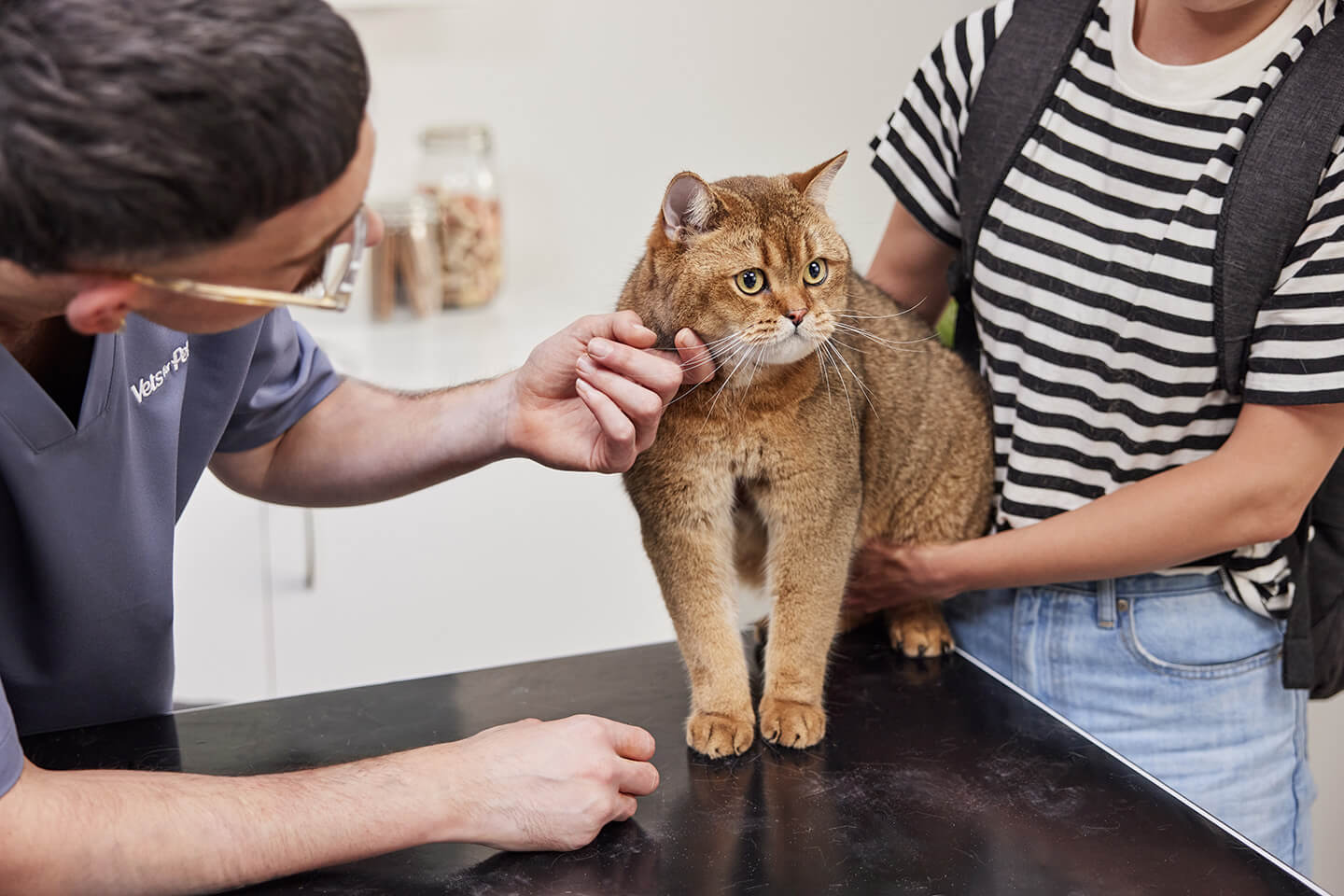
Cats will always ask to share your food or raid your plate after you have finished, but what foods are safe for them to eat?
Always remember, treats should remain just that. A small tasty extra that accounts for no more than 10% of your cats total daily recommended calorie intake. It’s important to choose treats that won't upset your pet's tummy. Some (such as cheese) are tasty but not easily digested and can cause issues. The best way to treat your cat is with their own food! Take some of their daily allowance of kibble each day and save it. This can then be offered throughout the day as a treat. Guaranteed to not cause tummy upsets, nutritional imbalance, or weight gain.
Although cheese isn’t toxic to cats, it is high calorie and likely to cause weight gain at best. Cats love cheese as they are driven to choose high fat foods, but many cats are intolerant to lactose – the sugar found in dairy products. Lactose-intolerant cats cannot digest this sugar normally and develop vomiting and/or diarrhoea after eating cheese or any dairy products. Cheese also contains high levels of salt, so even if your cat is not lactose-intolerant, feeding it is best avoided.
Chocolate is as toxic for cats as it is for dogs. Chocolate contains caffeine and theobromine – stimulants that can be toxic for cats. All forms of milk or especially dark or cooking chocolate are toxic and a small intake of high percentage dark chocolate can be fatal. If your cat has eaten chocolate, then an urgent check with your vet is needed
Yes, although cats on a balanced, nutritious diet do not benefit from eating eggs. Eggs are a good source of easily digested protein and can be served boiled or scrambled with no added fat. Eggs can be fed occasionally in small amounts alongside a balanced diet, but your cat does not need them.
Plain baked wholemeal or white bread as an occasional treat in a small amount will not harm your cat. Cats do not need carbohydrate in their diet, so letting your cat eat bread is just giving them empty calories. Unbaked bread dough containing yeast is dangerous for your cat as the yeast produces alcohol that is very toxic for cats.
Bananas are not toxic to cats, but they do have high sugar levels – which cats do not need. They are not necessary parts of a cat’s diet so should only be considered as an occasional treat in tiny amounts. Banana skin is indigestible, and cats should not be allowed to chew on it.
Lean ham can be offered to cats in small amounts only – it contains high levels of fat and sodium so can be used as a topper on the normal diet or as an occasional treat. Too much will cause issues with the nutritional balance of your cat's food and could lead to health problems.
Cats can eat pork, lean and cooked (not raw) as it is a good source of protein. However, it isn’t balanced in terms of vitamins and minerals, so should be fed in small amounts alongside a balanced cat food, not as the main diet. Adding pork will increase calorie consumption and contribute weight gain and potentially other health problems too.
Rice is not toxic to cats, but as it is mainly carbohydrates it shouldn’t play a large part in the cat’s diet. Rice is already in many balanced cat foods, so adding in extra is not necessary and most cats will not eat it on its own.
No. Grapes are toxic to cats. Grapes, raisins, sultanas and currants are all toxic at any amount eaten and may cause kidney failure.
Tuna contains taurine, which is essential in the cat’s diet, but it is high in mercury, unsaturated fatty acids and salt. Tinned tuna should be in spring water, not oil, to reduce the fat levels. Because of the mercury and the fact that tuna is not a balanced food, it should be fed a maximum of once weekly, as a topper or a small treat. Cats that are already fed a balanced nutritious diet will not benefit from the addition of tuna. If it is added, make sure to reduce the calories gained from other foods for the day.
Cats may eat a little bit of strawberry occasionally. Strawberries are high in sugars and have no dietary benefit for the cat, so alternative, more suitable treats should be offered instead.
Several human foods are not safe for cats at any level and if your cat is seen eating or licking at alcohol, chocolate, caffeine (tea and coffee), grapes and raisins, onions, garlic or xylitol, it is advised to seek urgent veterinary treatment. The same is true if your cat eats fat trimmings, raw meat, raw eggs or raw fish.