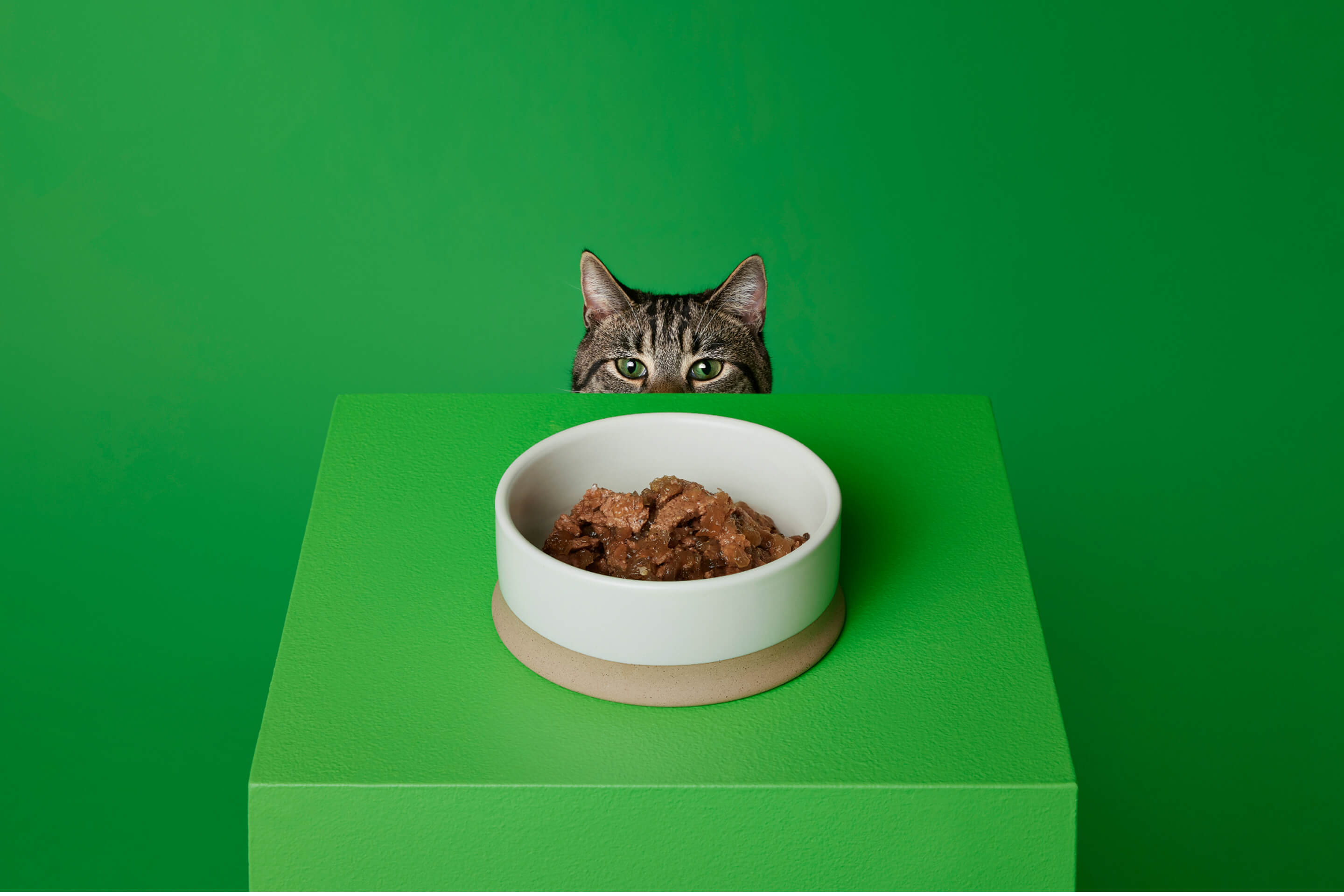
What’s new, fussy cat?
To learn more about feeding your feline, check out this short video.
By
Pets
Cats are creatures of habit, with very specific nutritional requirements. The ideal diet should be complete and balanced, giving your cat all the essential nutrients they need, in the right ratios for their stage of life.
Kittens, adults and seniors all need different nutrient balances, and cats with medical conditions may require specific therapeutic diets prescribed by a vet. There are also great breed-specific formulas. The choice can feel overwhelming, but your vet or in-store colleagues can help you narrow it down.
Many modern diets also include helpful extras, like omega-3s which may help support and maintain healthy joints. Think of it as everyday food with built-in bonuses.
If the label on the cat food says complete, you’re covered.
If it says complementary, you’ll need to pair it with something else.
Once you’ve worked out what nutrients your cat needs, the next question is how they get them: wet, dry, or a combination of both? Each option has its pros and cons, and none is inherently better; it’s about what works for your cat and your household.
Wet food contains more moisture, which is excellent for cats who don’t drink enough. It’s softer for cats with dental issues, and often more aromatic; a big win if your cat eats with their nose first. The downsides? It’s messier, more expensive per portion, and doesn’t stay fresh for long when left out.
Dry food, on the other hand, is clean, convenient and cost-effective. It stores well, can be left out during the day, and its texture supports better dental health than wet food. The catch is that it contains less water and may be less appealing to cats who need a stronger smell. Some cats thrive on dry, others act like you’ve served cardboard.
Plenty of owners choose a mix, using wet food for hydration and variety, and dry food for grazing or dental support. But in this case check portion sizes, as it can be easy to over-feed.
High-quality foods pack more nutrients into smaller portions, so you may need less than you expect. Feeding guides on the packet are a good starting point, but not a rulebook; every cat has a different metabolism.
Monitoring your cat’s body condition is more useful than relying on weight alone. A healthy waistline, ribs you can feel but not see, and stable weight over time tell you you’re feeding the right amount. To stay consistent, you should always weigh food rather than eyeballing it.
Cats aren’t always fans of sudden change. A fast switch can upset their stomach or make them reject the new food entirely. If you’re introducing something new, transition slowly over at least a week: a sprinkle of the new food at first, then gradually increasing until it fully replaces the old.
If your cat is still turning their nose up, variety can help. Cats can be surprisingly particular about flavours and texture: gravy vs jelly, pate vs chunks, poultry vs fish. Exploring different combinations can help you pinpoint what makes your cat tick.
You can also try gentle warming (to boost aroma), splitting meals into smaller portions, or adding a topper for extra appeal. Just remember to adjust your meal portion size to accommodate the extra calories.
Also consider the location of the food. Never place it too near to a litter tray, and preferably place it somewhere quiet where they won’t be disturbed. Stick to a routine, and clean the bowl between uses.
Sometimes there are other reasons they’re being picky. They may be full, or they’re being fed by a neighbour. Or there may be a health reason, like dental pain. Get them checked over if their eating habits have recently changed.