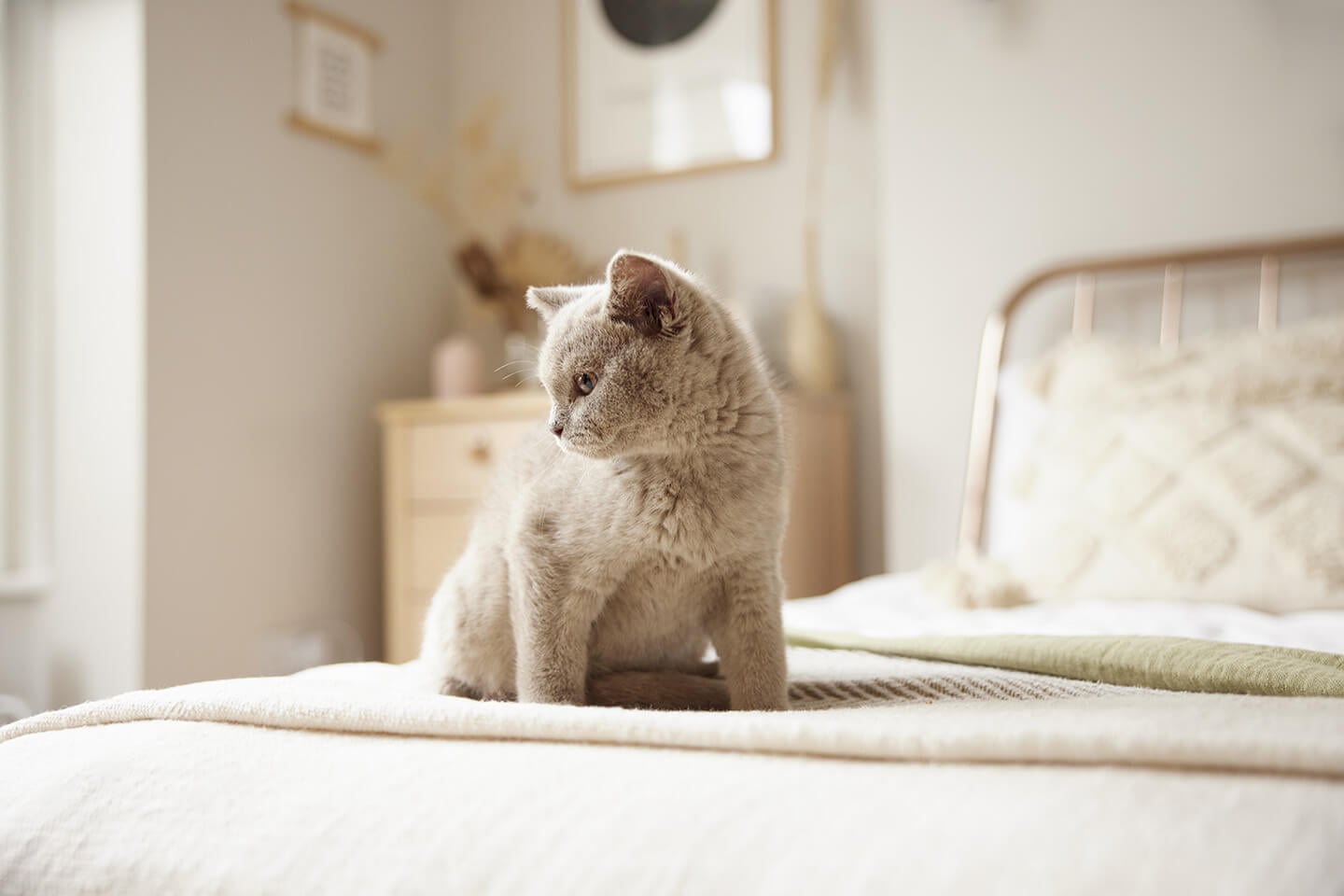
Welcoming a rescue cat into your family is a wonderful way to give an animal in need a loving new home. If you choose to adopt a cat then you’re sure to find that, with the right care and attention, your new pet soon becomes a cherished member of your family.
It’s a good idea to find out as much as you can about your rescue cat’s history, helping you to understand your new family member better. Rescue cats will have a history from their life before they joined your family. They may have had bad experiences with dogs or be nervous around children. They may also have health conditions that require monitoring or medication. It is important to be aware of these to ensure you can provide continuing care and management of these conditions. Rescue cats will also have preferences, for example, they may like to be outside at certain times of the day or like specific food or types of toys. They may also have preferences about their water such as preferring free flowing or a certain type of bowl. It is good to know these things to make the cat as comfortable as possible when they join your home and to ensure they will fit into your life well.
Your pet might have faced tough times in the past, so it’s a good idea to take extra steps so they get used to their new home before you bring them back.
Cats have a great sense of smell and are likely to settle in better if they’re used to your scent. A few days before you bring your new pet home, take a toy or blanket to them that has your smell on it; this will help their new home feel a bit more familiar when they arrive. You can also use pheromone sprays or diffusers to help reduce stress during their transition into your home. Spray the cat carrier with a pheromone spray during transit to help reduce stress on their journey.

When you bring your pet home, it’s important to help them get used to their space in their own time. Like with all cats, it’s usually best to give them a specific, secure area at first that has everything they need, such as a utility room or bathroom. If you adopt an older cat then let them explore the area by themselves, or if you bring home a kitten, supervise them while they check things out but make sure you give them enough room to look around. Once they’re used to their space, you should be able to let them explore the rest of your home.
Your rescue cat might feel nervous or scared at first, so it’s a good idea to give them plenty of safe places to hide if they feel overwhelmed. If you have children, carefully introduce them in a calm way that won’t frighten your pet. If things get too much, your cat should be free to hide for a bit, but don’t worry about this as it’s perfectly normal.
If you have other animals, then you need to make careful introductions to help all your pets get off to a good start. Keep your rescue cat and other pets separate until they’re ready to meet and swap their scents around your home before you let them come face to face. It might take some time for your rescue cat to be ready to meet your other pets, so just keep swapping scents until they don’t react to the different smells. You may notice to begin with your cat avoids the smell or it causes them to move away and hide.
When you do make an introduction, make sure your cat has an easy escape route - to a higher level for example - and only let them spend short amounts of time together at first, slowly increasing this as they get comfortable with each other. If you take the time and effort to introduce your rescue cat into your home properly, then it’s a great feeling to look back on your success once they’re settled and the whole family’s getting on.
When a cat is described as a "rescue," it means that the cat has been adopted or taken in from a situation where it needed help. This can be due to them being relinquished to cost of living changes or a change in the owner's personal circumstances. Occasionally it can occur due to abandonment, abuse, or neglect but this is less frequent.
Rescue organisations and animal shelters play a crucial role in providing care for these cats. They often provide medical treatment, shelter, and socialisation to help the cats recover from their past experiences and prepare them for adoption into loving homes.
Adopting a rescue cat is a compassionate way to provide a home for a cat in need and offer it a safe and loving environment.
Yes, rescue cats can certainly become indoor cats. However, if you choose to adopt any cat and keep it indoors, it's essential to provide them with enrichment, stimulation, and opportunities for exercise. This can be achieved through toys, scratching posts, interactive play, and other forms of environmental enrichment. Indoor cats also benefit from social interaction and mental stimulation, so spending quality time with your cat is important for their overall well-being.
If you're considering adopting a rescue cat and plan to keep it indoors, discuss your concerns and needs with the rescue organisation or shelter. They can help you find a cat that is well-suited for an indoor lifestyle and provide guidance on how to ensure your new feline companion is happy and healthy. You could investigate catios, outdoor enclosures for cats. These can be used to allow your new cat outside without them being able to stray from the property.
Choosing a rescue cat is an important decision, and there are several factors to consider ensuring you find a cat that matches your lifestyle and personality.
Here are some top tips to help you choose a rescue cat:
- Research: Start by doing some research on the rescue organisations or animal shelters in your area. Understand their adoption process, policies, and fees. This will help you identify reputable organisations to work with (such as RSPCA, Blue cross or similar large charities). Check if the organisation is a member of the Association of Dogs and Cat Homes.
- Assess your lifestyle: Consider your living situation, daily routine, and what you can realistically offer to a cat.
- Personality and compatibility: Cats have unique personalities. Would you prefer an active and playful cat, a calm and affectionate one, or something in between?
- Visit the rescue organisation: Visit to meet the available cats. Spend time interacting with them and ask questions about their history and any special needs or requirements.
- Ask about the cat's history: This can help you make an informed decision. Some rescue cats may have specific needs, such as medical conditions, behavioural challenges, or past trauma.
- Adoption process: Understand the adoption process and requirements of the organisation. This may involve filling out an application, providing references.
- Be patient: Don't rush the decision or feel pressured. Take your time to find the right match for you and your family. It's essential to have a connection with the cat you choose. A good rescue should never put you under pressure to adopt.
- Prepare your home: Before bringing your new cat home, ensure your living space is cat-proofed, you have all the necessary supplies, and a safe space for the cat to explore and rest.
- Commitment: Remember that adopting a rescue cat is a long-term commitment, as cats can live for many years. Make sure you are ready to provide love, care, and attention throughout their lifetime.
Adopting a rescue cat is a rewarding experience, and it can be life-changing for both you and the cat. Take your time, ask questions, and choose a cat that aligns with your lifestyle and preferences.
To determine if a cat is right for you, it's important to research and understand the responsibilities of cat ownership, assess your readiness, and consider your own preferences and lifestyle. If you decide that a cat is a good fit, you can start the process of adopting a cat that matches your personality and living situation.