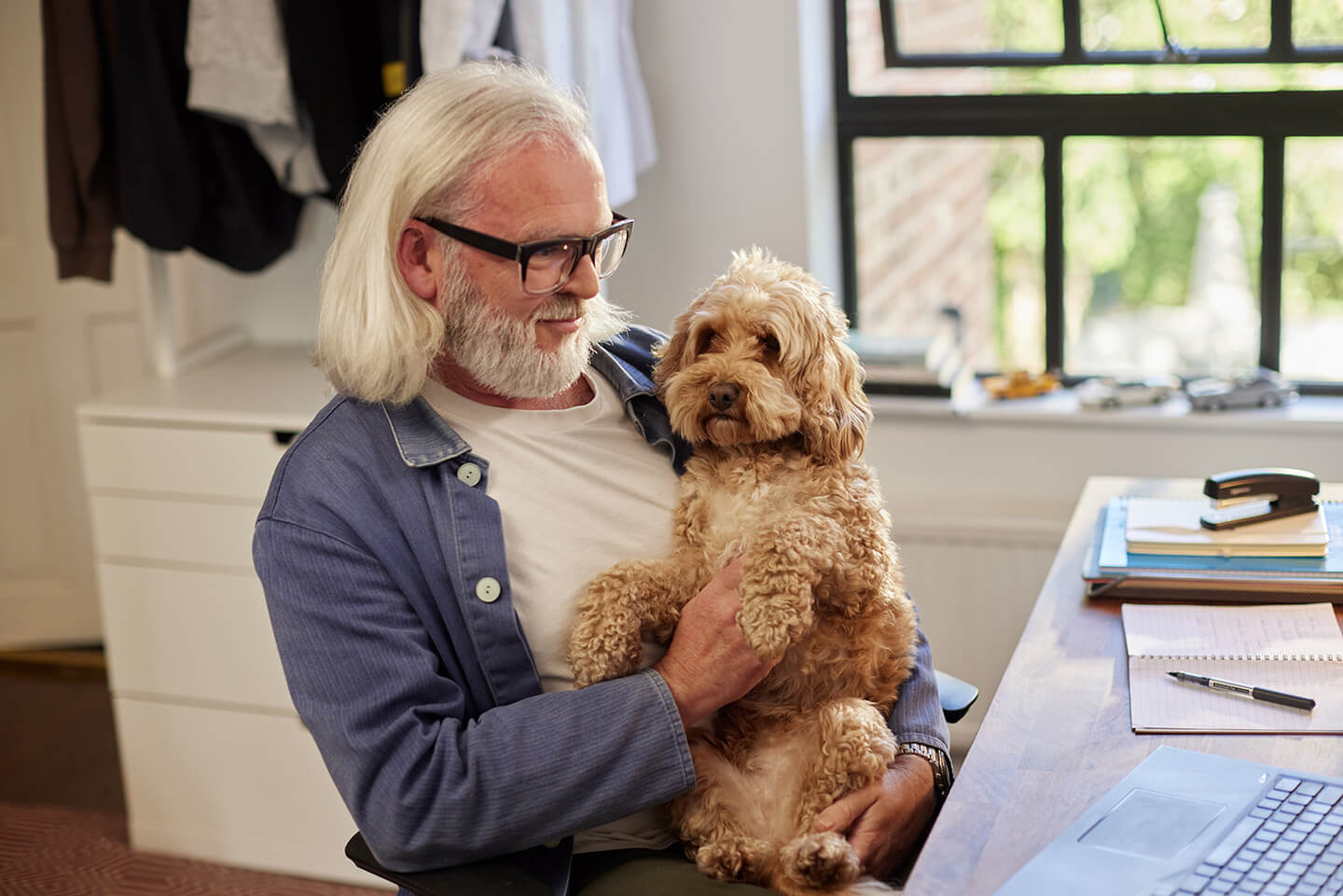
Each dog’s tolerance to heat and cold will vary. Some dogs with thick coats designed for the winter stay lovely and warm in the snow but will struggle with heat. Other dogs will thrive in warmer temperature but struggle to stay toasty over the winter.
Winter in the United Kingdom can sometimes be harsh, and it can be struggle for pet owners keeping their pets comfortable as the nights draw in. We have collated some of our best tips to keep you and your pet as comfortable as possible.
Dogs have the benefit having a natural fur coat. They develop a thicker coat during the winter that is generally water repellent on the surface and softer and better at insulating underneath.
Some types of coat have been bred and selected for specific breed purposes. The short, sleek, single coats of greyhounds, whippets and Vizslas are good for speed and keeping clean, but have limited insulating ability, while the curly or fluffy coats of Poodles or Bichons are soft to touch and hold the classic breed shape but are not waterproof and have limited insulting properties. Dogs with these types of coat may need winter assistance to keep them warm and dry.
Coats and jackets are available in a wide range of designs for different uses, so whether your Bichon needs a waterproof coat for walking, or your greyhound needs a jumper inside a chilly house to help them with their arthritis, there will be something suitable. Beds and blankets are available in normal, thermal or self-heating, so whether for indoor or outdoor warmth, you can supply exactly what your dog needs for the winter.
Dogs with a very short, single coat, such as Greyhounds, Vizslas and Dalmatians feel the cold more than those with longer, double coats. Smaller breeds, such as Chihuahuas, Whippets and Yorkshire Terriers, also lose heat quicker because their surface area is large relative to their body weight. Dogs with fluffy or curly coats, such as Poodles, Poodle crosses and Shih Tzus have coats that do not retain body heat well, so these dogs can also get cold quickly, especially if they get wet as well.
If the weather is wet and/or windy as well as very cold, then the dog’s coat cannot keep the body temperature stable for long– a wet or wind-blown coat loses its insulating properties, so even at milder temperatures the dog may chill. Watching how your dog is carrying itself and behaving will tell you if they are getting cold.
A dog that is cold will look hunched up and will shiver, try to burrow under or into dog beds or blankets, curling into a ball. They will either be unsettled and whine or become lethargic. They will also heat seek – so they lay near heaters or try to get anywhere warmer. Your dog’s ears may feel cold and, if they are outside, they may be lifting their feet off the cold ground and standing hunched up with their tail tucked under.
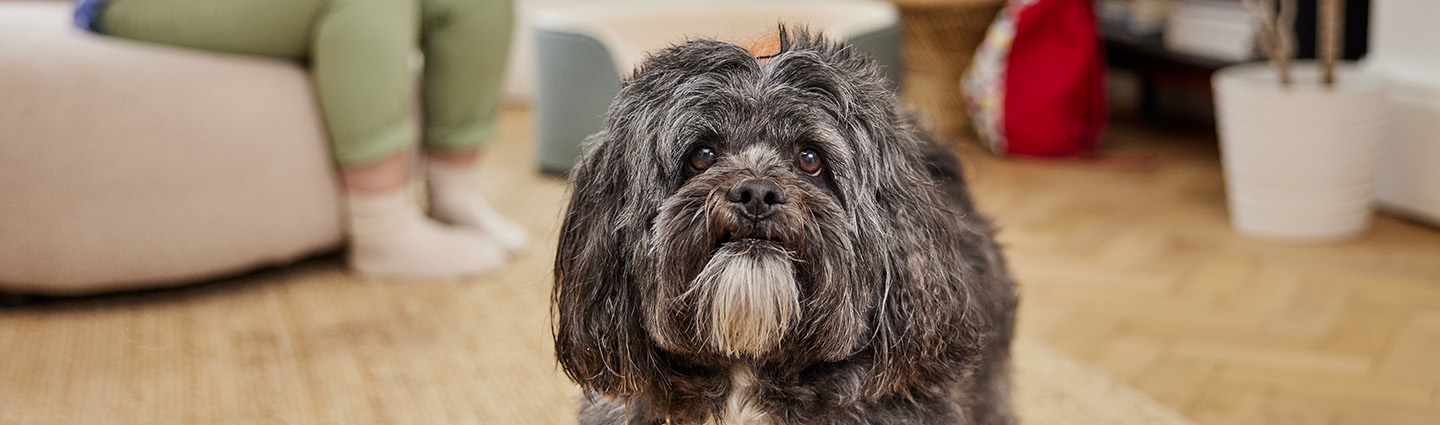
If a house is cold, then your dog will feel as cold as you do. Damp and drafty houses will exacerbate the chill, especially if your dog’s bed is in a particularly drafty area.
Signs of your dog being cold while inside the house include if they are unsettled, burrowing in blankets, curled into a tight ball, or have cold ears. If you notice these signs, you should consider some ways to keep them warm and comfortable.
If your dog is looking hunched and miserable and their ears feel cold, they may need a jumper, jacket or blanket so they can keep warm. Playing games indoors on a non-slip surface can warm your dog up nicely - playing tug of war, fetch or even just going up and down stairs will warm everybody up. Start slowly to reduce strain on cold joints.
Many dogs will be fine overnight, as modern houses have heating and insulation to keep a neutral temperature within their walls. If you find that your house is particularly cold, or your dog seems restless overnight, consider raising the dog-bed a little off the floor to prevent the cold of the floor causing heat loss from your dog. Providing thermal or self-heating bedding will also help your dog to keep their body heat. If the house is damp, check the bedding regularly to make sure that it is not getting wet and make sure that the bed is not in a draught or resting up against a cold, damp wall.
Heated pads can help keep your dog warm if the house is very cold. Some dogs benefit from jumpers overnight as an extra insulating layer – this is particularly useful for dog breeds which are particularly small, have thin coats or medical conditions.
If the weather is really cold, try and reduce the time spent outside. Very energetic dogs can have frequent but short walks to reduce the chances of them getting cold. Consider your dog’s feet – if the ground is icy, wet or has snow, salt or grit on it, then keep the walk short and wash and check your dog’s feet when you get home. It may be worth considering boots if very cold weather is forecast for a while.
Using a thermal or fleece-lined jacket will help your dog stay warmer in very cold weather and if you are walking on dark pavements or parks, reflective coats and harnesses and light-up collars and tags will help with visibility.
Outdoor living dogs are not common within the UK. Generally, dogs are kept as indoor pets. Some however (such as working dogs) do still live in outdoor kennels but these need to be appropriate to the climate. Dogs that live entirely outdoors develop a thick coat to help them stay warmer in the winter. If the temperature drops to less than 10°C, the RSPCA advises that dogs should come indoors or be given a source of heat.
Outdoor kennels need to be warm and dry. They require a roof over at least the bedding area. A raised floor lifts the dog away from the cold floor and will keep bedding dryer if the weather is wet. Kennels should also be sheltered and away from prevailing winds. If the kennel is big enough, it could be insulated and lined to prevent heat loss through the walls.
Mattresses and cushions for kennels are available that are water repellent and easy to clean. Extra blankets can be provided, and your dog could have a waterproof thermal coat if the weather is wet as well as cold. You will need to check bedding at least daily on cold wet days to change damp or soiled bed for clean and dry.