
With the arrival of summer comes sunlight, cat naps, and hopefully a nice cool breeze. Most cats are sun worshippers and will happily spend all day in the sunlight but it’s important to keep an eye out for signs of overheating and heatstroke as these can quickly become deadly. Have a look at our tips and signs to watch for below.
When cats become too hot, they may suffer from dehydration or, in the worst-case scenario, heatstroke. Heatstroke can lead to death if not treated, but there are some steps you can take to prevent it before it happens. If your cat shows signs of heat stroke you should call a vet straight away.
Signs that your cat is too warm include:
- Panting: Unlike dogs, cats do not usually pant. Panting in cats is often called ‘open mouth breathing’ and can be a sign that they’re starting to overheat. Panting can be seen after fast paced exercise, but it should be brief, and the cat should not be in distress. Your cat can also be panting if they are stressed, but if they have been active, or it is a particularly hot day you’ll want to keep a close eye on them to make sure that their breathing quickly returns to normal.
- Hot to the touch: Your cat feels hot to the touch because either their fur or skin is hot. You can feel the hairless areas of their skin to check if the heat is coming from their fur or skin. If their fur is warm but their skin is a normal temperature, then it’s likely they’re just absorbing heat from the environment. If their skin is also hot, or if they are showing other signs in this list, then it’s because they either have a fever, have a temporarily high temperature because of the environment, or because they’re overheating. Because the temperature that you feel on the outside of the cat may not reflect their internal temperature, it’s best to use a digital rectal thermometer to ensure all is well or contact your Vet.
- Drooling: Another sign that’s very associated with dogs but not cats, seeing your cat drool should ring alarm bells.
- Dehydration: Your cat’s gums will be sticky or dry if they are dehydrated. You may also notice panting, drooling, or excessive thirst. If your pet has suddenly become lethargic, or their gums are dry, you should contact your veterinarian.
- Increased body temperature: Your cat’s normal temperature should be between 37.8 and 39.2*C. Anything over 40*C is defined as heat stroke. Digital rectal thermometers are best for reading your pets temperature. These are very accurate but must be used correctly to avoid rectal damage – only use a rectal thermometer if you have been shown how to by a veterinary professional. You should call your vet if it’s higher than it should be (or you suspect it is).
- Increased heart rate: Your cats heart rate should be between 110-180 beats per minute when relaxed. Count how many heartbeats you feel in 30 seconds then multiply it by two to get their heart rate.
- Hyperventilation: If your cats heart rate is higher than expected and they’re hot, they may also be breathing faster than usual. The same way humans do, your pet can suffer from breathing distress, and you shouldn’t hesitate to call your vet if you are concerned.
- Vomiting and diarrhoea: These symptoms could be caused by any number of infections, but there are also signs your cat’s suffering from hyperthermia.
- Pale or bright red tongue and gums.
- Confusion or depression: This also includes if your cat becomes clumsy or agitated.
- Weakness or lethargy.
- Collapsing.
Heatstroke is a serious condition resulting from overheating of the body. If you notice any of these symptoms, it is important to seek medical attention for your cat immediately.
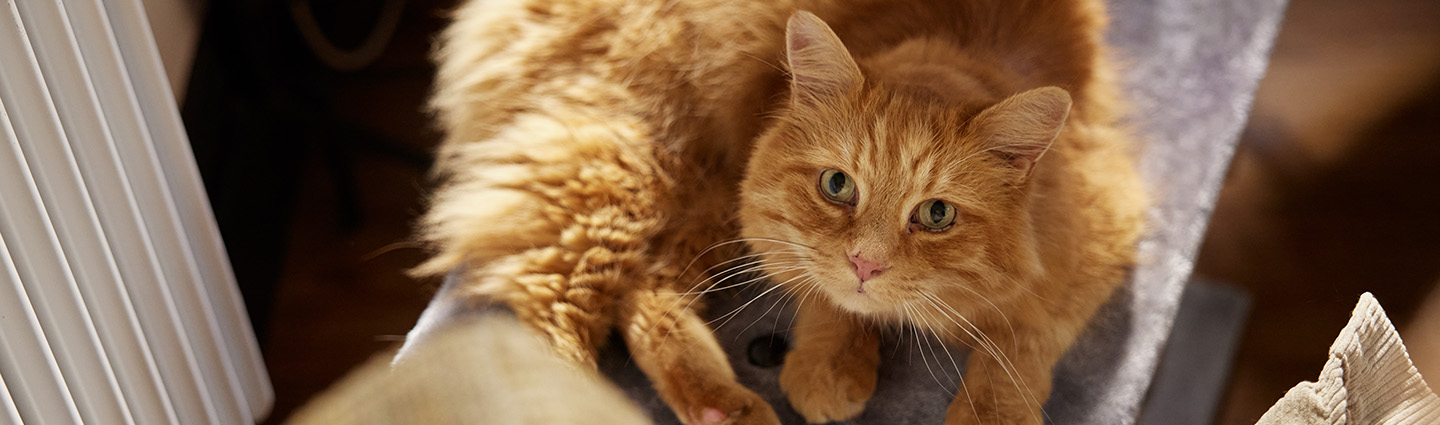
Making sure your cat has a comfortable environment at home will help them stay happy and healthy. Here are some tips to helping cool your cat down:
- Avoid letting your cat out when it’s particularly hot outside. Earlier in the morning or later in the evening are often cooler than midday.
- If your cat is outside during the warmest part of the day, make sure there’s shade available and a bowl of fresh water. Keep in mind that artificial grass will be significantly warmer than real grass as it lacks the water within that keeps it cool.
- Leave any strenuous playtime until it’s cooler. Your cat may want to play with you throughout the day but try to avoid extra activity that might cause them to overheat. Engage them in play in the late afternoon or evening instead.
- Provide plenty of water. Your cat is likely to drink more in summer and the heat can increase the amount of evaporation from the bowls, so keep a closer eye on their water supply. Consider getting them a drinking fountain to encourage drinking. DO NOT try to syringe water into your cat’s mouth.
- Add ice cubes to their water bowls. Placing ice cubes in their water supply through the day will keep it cool and refreshing for them, so they’re more likely to take on the fluids they need.
- Groom your cat more often when it’s hot to remove excess hair that may be causing a blanket effect. It can be a good idea to trim long haired breeds but not too short as their fur is highly evolved and slows down heat absorption.
- Use pet safe sunscreen on white and light-coloured cats. Exposure to sunlight has been linked to an increase in skin cancers in pale cats, particularly on the nose, lips, and ears. Use a pet-safe sunscreen only, as human sunscreens can have ingredients that are toxic to cats. House cats can even get burnt through a window so unfortunately inside cats are not exempt.
- Let your cat nap during the hottest part of the day. Cat owners are used to their cats snoozing for about 16 hours a day, but don’t be alarmed if your pet seems to be napping for even longer than normal when it’s warm. If you find that your cat is very warm when they’re asleep it could be a sign that they’re starting to overheat, or that they have a fever starting to develop. Cats can overheat without realising it, especially if they’ve been napping in the sunlight or they have a dark, thick coat.
- Apart from emergencies, avoid taking your cat in the car with you. They won’t appreciate being cooped up in a small, hot carrier when the sun’s blazing. If you do need to travel with them, make sure you keep the temperature in the car comfortable and provide water. Never leave your pet alone in the car as temperatures rise quickly even with the windows open.
- Inside your home, keep your windows slightly open and your curtains closed. This keeps the room properly ventilated and prevents the heat from intensifying through the windows. You’ll need to ensure your windows are secure, particularly if you’re not in the room.
Kittens are still figuring out how to regulate their body temperature, so they can become hotter faster than cats do. You need to be extra attentive to newborn and young kittens to ensure their body temperatures are at the right level. Here are some top tips for keeping kittens cool:
- Have a regular supply of cool water available
- Keep your home well ventilated, either with air conditioning or by keeping the windows slightly open (or, if you have screens on your windows, wider open)
- Alternatives if you’re not comfortable with opening the windows involve keeping a bottle of frozen water in front of a fan to blow cool air into the room.
- Wrap an ice pack in a towel and place it in their preferred sleeping spot or use a self-cooling pet mat.
- Try to avoid playing with your kitten too much during the day, instead waiting for the cooler hours of the evening or playtime.
You can buy a range of cat cooling products at Pets at Home, including cooling mats and water fountains. Browse our selection here: Cat Cooling Products.