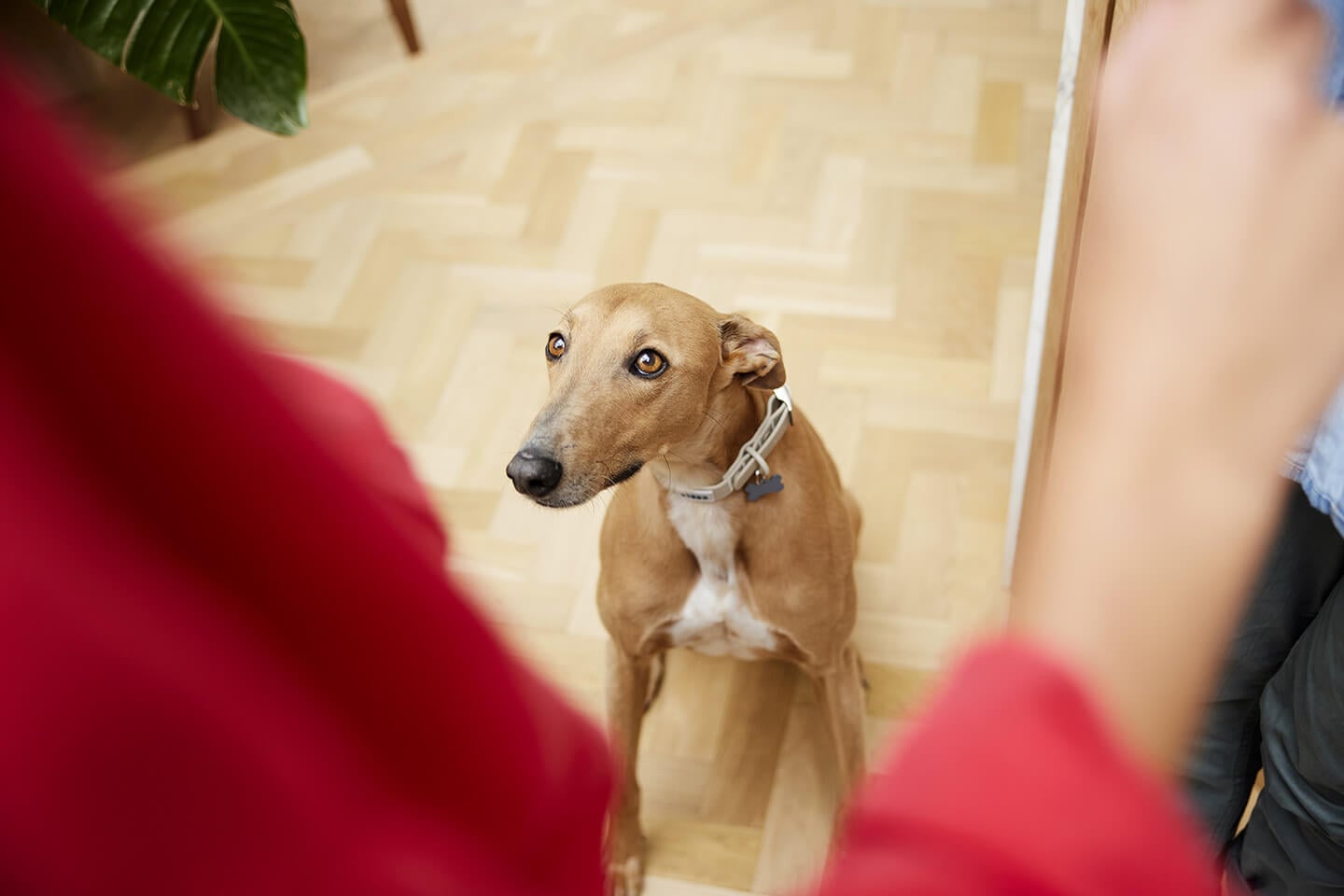
Playtime isn’t just about fun—it’s a crucial part of your dog’s physical and mental well-being. Whether you have a high-energy pup that never seems to tire or a laid-back companion who enjoys a gentle game, finding the right activities strengthens your bond and keeps your furry friend engaged.
But how do you make playtime exciting and meaningful? From classic games like fetch to brain-boosting puzzles and interactive play, this guide will explore the best ways to keep your pup entertained. Get ready to discover new ways to have fun with your four-legged friend while reinforcing good behaviour and burning off that extra energy!
When you’re playing with your puppy, it’s important to remember not to be too rough with them. They are more delicate than they seem and easily get hurt if you’re not careful. Similarly, it’s a good idea to think twice about any toys that you’re playing with. Some toys to avoid when you’re playing with your puppy include:
- Stones which can damage your puppy’s mouth
- Sharp sticks which can cause damage your puppy’s mouth
- Anything small which could be accidentally swallowed
It’s also important that you don’t let games get too aggressive or boisterous, as this could be unsafe or could teach your new pup bad habits.
Puppies enjoy all different kinds of play- from ball games, tug of war, chasing, puzzle games and training games. It is best to vary the type of playing to keep them learning and stimulated.
Keeping a puppy entertained is important for their mental stimulation, physical exercise, and overall well-being. Puppies are naturally curious and full of energy, so providing a variety of engaging activities can help prevent boredom and undesirable behaviours. Providing mental stimulation for your adult or older dog is important for their overall well-being. Dogs benefit from mental challenges that keep their minds engaged and active.
There are many ways that you can play with your dog or puppy indoors, just make sure that the play area is safe and large enough for the type of play you are planning. Here are some ideas to keep your puppy or dog entertained, indoors or out:
- Interactive toys - use puzzle toys and treat-dispensing toys to challenge your puppy's mind. These can be filled with treats or kibble, encouraging your puppy to figure out how to get the rewards. They are also great for older dogs as they engage their problem-solving skills and provide mental stimulation
- Chew toys - puppies often have a strong urge to chew, especially during the teething phase. Provide a variety of safe and durable chew toys to satisfy this natural behaviour and soothe teething discomfort. Adult dogs also enjoy chewing, but can destroy the toys quickly, so if your dog is a real chewer, look for toys that are tough enough. You can get advice on suitable toys from our colleagues in store.
- Play fetch - fetch is a great way to burn off excess energy. Use soft toys suitable for your puppy's size, and make sure you're in a safe, enclosed area. Most adult dogs enjoy a game of fetch, with soft toys indoors or balls or other throwing toys outside
- Hide and seek - play hide and seek by hiding treats or toys around the house or in a designated play area. This engages your dog's sense of smell and provides mental stimulation
- Training sessions - use short training sessions to teach your puppy basic commands. Training not only provides mental stimulation but also strengthens the bond between you and your puppy. Regular training sessions also engage your adult dog's brain, so teach them new tricks or work on existing commands to keep their mind sharp
- socialisation – once your puppy is fully vaccinated you can arrange playdates with other puppies or well-behaved adult dogs to encourage positive socialisation. This helps your puppy learn appropriate social behaviour. Social interactions with other dogs are mentally stimulating for your older dog, so arrange playdates to keep their mind alert
- Rotate toys - introduce new toys periodically to keep things interesting. Avoid leaving all your dog's toys out at once. Instead, rotate them regularly to keep things interesting. This makes the toys feel new and exciting each time they're reintroduced
- Interactive games - play interactive games like tug-of-war or hide-and-seek with your dog. These games allow for bonding and physical activity.
- Outdoor exploration - take your dog for walks in different environments to expose them to new sights, sounds, and smells. Outdoor exploration is not only stimulating but also provides exercise
- Rotate enrichment activities - provide a variety of activities to keep things interesting. Change them periodically. This can include different types of toys, games, and environments. Change up your walking route or take your dog to new environments. Experiencing different sights, sounds, and smells provides mental enrichment
Also, for adult dogs:
- Agility and obstacle courses - set up a mini agility course in your backyard using tunnels, jumps, and weave poles. This not only provides physical exercise but also challenges your dog's coordination and problem-solving abilities
- Frozen treats - freeze treats or toys in a block of ice and let your dog figure out how to melt or break the ice to get to the rewards. This provides a cooling activity, especially on hot days
- Interactive feeding - use interactive feeders or puzzle feeders instead of a regular food bowl. This requires your dog to work for their food, making mealtime more mentally stimulating
Remember to supervise your puppy or dog during playtime, especially with new toys or in new environments. Additionally, always consider your dog's age, size, and breed when selecting toys and activities and tailor the activities to their liking. Adjust the level of difficulty based on your dog's abilities to ensure a positive and enriching experience.
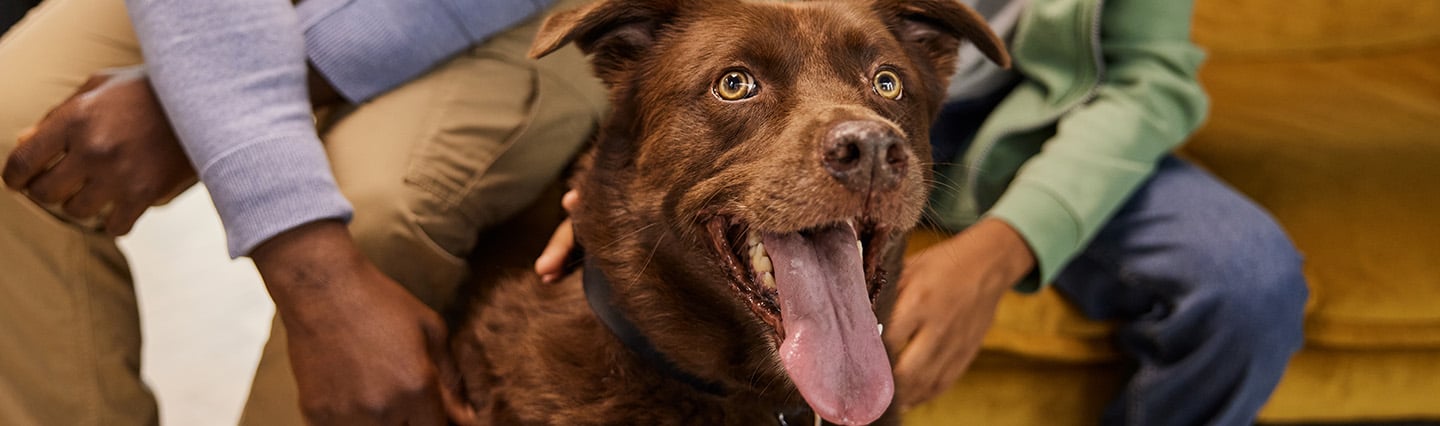
If you have a dog that doesn't seem interested in playing, it's important to be patient and to understand that each dog has its own personality and preferences. Some dogs may not be naturally inclined to play, especially if they are older, have health issues, or have had limited exposure to play in the past.
Here are some tips to encourage play with a dog that seems disinterested:
- Observe preferences - pay attention to your dog's reactions and preferences. Some dogs may not enjoy certain types of play, but they might be interested in others. For example, some dogs may prefer gentle interactions, while others may enjoy more active play
- Start slowly - begin with gentle and low-key interactions. Some dogs need time to warm up, especially if they are shy or anxious. Let the dog approach you at their own pace
- Use interactive toys - introduce interactive toys, such as puzzle feeders or treat-dispensing toys. This allows the dog to engage in a more independent form of play
- Experiment with different toys - offer a variety of toys to see if there's a particular type that captures your dog's interest. Some dogs may prefer squeaky toys, while others may enjoy soft plush toys or chew toys
- Positive reinforcement - use positive reinforcement to reward any attempts at play. Offer treats, praise, or affection when the dog shows interest in a toy or engages in playful behaviour
- Gentle touch - start with gentle physical touch, like gentle petting or light massage, before introducing toys. This helps build trust and positive associations with play
- Play in a calm environment - ensure that the environment is calm and free from distractions. Some dogs may be hesitant to play in a noisy or busy setting
- Consider the dog's health - if your dog's lack of interest in play is a sudden change, consider their overall health. Pain or discomfort could be a factor, and a visit to the veterinarian may be necessary
- Enlist the help of another dog - if possible, introduce your dog to a well-socialised and playful canine companion. Sometimes, seeing another dog engaged in play can encourage a less playful dog to join in
Remember that every dog is unique, and what works for one dog may not work for another. Be patient, observe your dog's cues, and respect their individual preferences. The goal is to create positive associations with play, and it's okay if your dog's idea of play is different from what you initially had in mind.
Dogs communicate their desire to play through various body language signals and behaviours. Here are some common signs that your dog wants to play with you:
- Play bow – one of the most unmistakable signs is the play bow. The dog lowers their front end while keeping their hindquarters raised. This is a classic invitation to play
- Wiggly body - a dog with a loose, wiggly body is often in a playful mood. They may wag their tail enthusiastically, and their entire body might appear relaxed and bouncy
- Barking or vocalisations - some dogs bark or make playful vocalisations when they want to engage in play. The tone of their barks is usually different from alert or aggressive barking
- Bringing you a toy - your dog may bring you a toy, drop it at your feet or nudge you with it. This is a clear indication that they are ready for a game
- Pawing at you - if your dog gently paws at you or nudges you with their nose, it can be a playful gesture indicating they want your attention
- Zoomies - dogs often exhibit bursts of energy known as "zoomies" when they are excited and ready to play. This may involve running around in circles or darting back and forth
- Initiating physical contact - your dog may nuzzle you, lean against you, or gently bump you with their nose. This is a sign of affection and a desire to interact
- Tail wagging - a wagging tail is a positive sign, but the way a dog wags their tail can also convey their emotions. A loose, wide wag is often associated with playfulness
- Rolling over - some dogs may roll onto their back, exposing their tummy. This can be an invitation for tummy rubs or play.
Remember that every dog is unique, and individual preferences for play can vary. It's important to pay attention to your dog's cues and respond accordingly. Always engage in play in a positive and gentle manner, respecting your dog's comfort level and preferences.
As well as mental and physical exercise, playtime is a great time for you to build bonds with your dog. It should be engaging, and something that your dog finds interesting as well as exciting.
Here are some of the best games for you and your dog to play:
- Hide and seek - whether you tell your dog to wait, or someone holds them for you, pick a fun place to hide and see how long it takes your pet to find you
- Find it - a very stimulating game that most dogs enjoy, it’s similar to hide and seek but this time you hide a toy or treat for your dog to find
- Fetch - one of the classics, most dogs love to fetch, although some might need to be taught how to play it by using rewards. A great game for burning off energy, you’ll probably need to work on teaching your pet how to drop something if you want to get the toy or ball back, but it’s all fun time spent with your dog
- Chase - another classic, it’s usually best not to let your dog chase you too much, but instead you can chase them or have them go after a soft toy. This is a great way for both of you to run around together in a game that has lots of interaction
- Tug - this is likely to be one of your dog’s favourite games to play, but it could be a good idea to stay away from it if your dog has dominance issues. Don’t be surprised to see your dog come and thrust one of their toys into your lap when you’re relaxing on the sofa, as they try to get you to have a good game of tug with them
Each dog has their own preferences, but we’ve put together a list of some of the most popular toys for playing with your dog. Take a look and see if you have any of the ones on our list:
- Size appropriate tennis or bouncy ball
- Rope ball
- Frisbee
- Soft toys
- Rope toys