
When you have small pet such as rats, hamsters, gerbils, mice, or chinchillas it can be a concern in hot weather as they are small and susceptible to extremes of temperature. Here are some tips to help you keep them cool as the temperature rises.
Rodents are best housed indoors at a steady temperature. Hamsters, Rats, mice, chinchillas and degus are all susceptible to heatstroke, so when the temperatures rise outside, you need to take measures inside to make sure that your pets stay comfortable.
Your rodent's enclosure is best placed in a room that does not get too much direct sun and stays at a relatively constant temperature. The enclosure needs to be away from the window, out of any direct sunlight. A thermometer next to the cage will keep you informed of the temperature.
In hot weather, consider removing plastic houses or hides and replace with more open wooden shelters which may have better ventilation. You can also add in cardboard tubes or boxes with several holes cut in for access. Plastic housing may hold the heat and increase the risk of overheating.
Clean out the cage more often, remove uneaten fresh food promptly so it doesn’t rot and check your pets daily to make sure they are clean and well.
A full water bottle, frozen, and wrapped in a towel can be propped against the outside of the cage to cool the air around it and provide a cool area for your pets to lay against. Don’t put it into the cage or it will get chewed.
Keep the windows open in the room on very hot days and draw the curtains to keep the sun out. A fan in the room, not directed at the cage, will create air currents around the room, cooling the air. If the room is still very hot, consider moving the cage to somewhere cooler.
Signs of heatstroke include panting and drooling, weakness and a refusal to move. Their feet, ears and tails will feel hot. This can progress to seizures, coma and death.
Heatstroke can happen very quickly so urgent veterinary treatment must be sought if you think your pet is showing signs.
Older or very young rodents, those with underlying conditions or that are overweight are more prone to heatstroke, so should be very closely monitored.
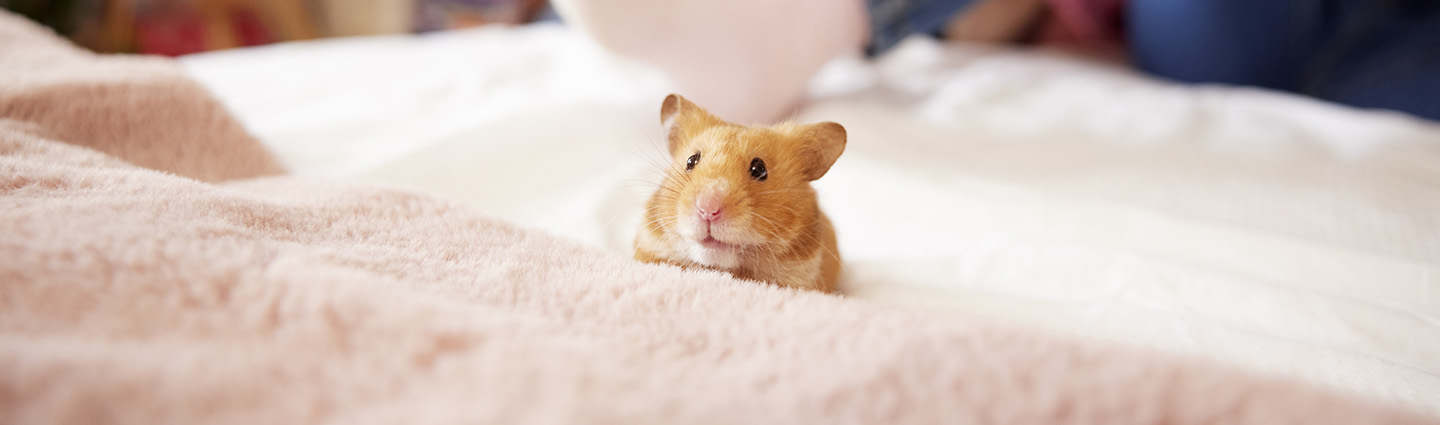
If your pets are too hot, there are things that you can do to cool them down a bit. Moving the cage to a cooler room can help quickly. Wiping them down with a damp cloth can also help. A frozen pea pool for rats can be useful (frozen peas in a shallow tray for them to lie amongst) or some ice cubes in a bowl – these can be nibbled or rubbed against and will also cool the air around them as they thaw. They may also like to go ‘pea bobbing’ with the peas in a bowl of water.
Ceramic, marble or slate tiles can be placed into your rodent cage for your pets to lay on if they need to cool off a bit. Smooth cobbles or stones can also be used. There are cooling pads available that are designed for rodents – these can be made of aluminium, ceramic, mosaic or glass, many of which come in small sizes to fit inside a rodent cage. Cooling mats of cool to touch silk are also available, and ice pods that are very tough and are frozen before use. Anything that you use for cooling inside the cage must be regularly checked for signs of being chewed and discarded if damaged. Pets must be supervised when using cooling pads to ensure they don't chew through them.
Cage fans can increase air flow and cool the inside of the cage and should be positioned towards one end of the cage so your pets can move out of the direct air flow if they want to.
You can buy a variety of cooling products for small pets at Pets at Home. We help keep rabbits, guinea pigs, and other small animals safe in warm weather. Popular choices include the Glass Small Animal Water Bottle (177ml) to keep water cool and clean, the Stainless Steel Small Animal Bowl in Sage for chilled fresh food, and the Ferplast Maxi Wooden Hideaway to create a shaded, cool retreat. Shop small pet cooling products now.