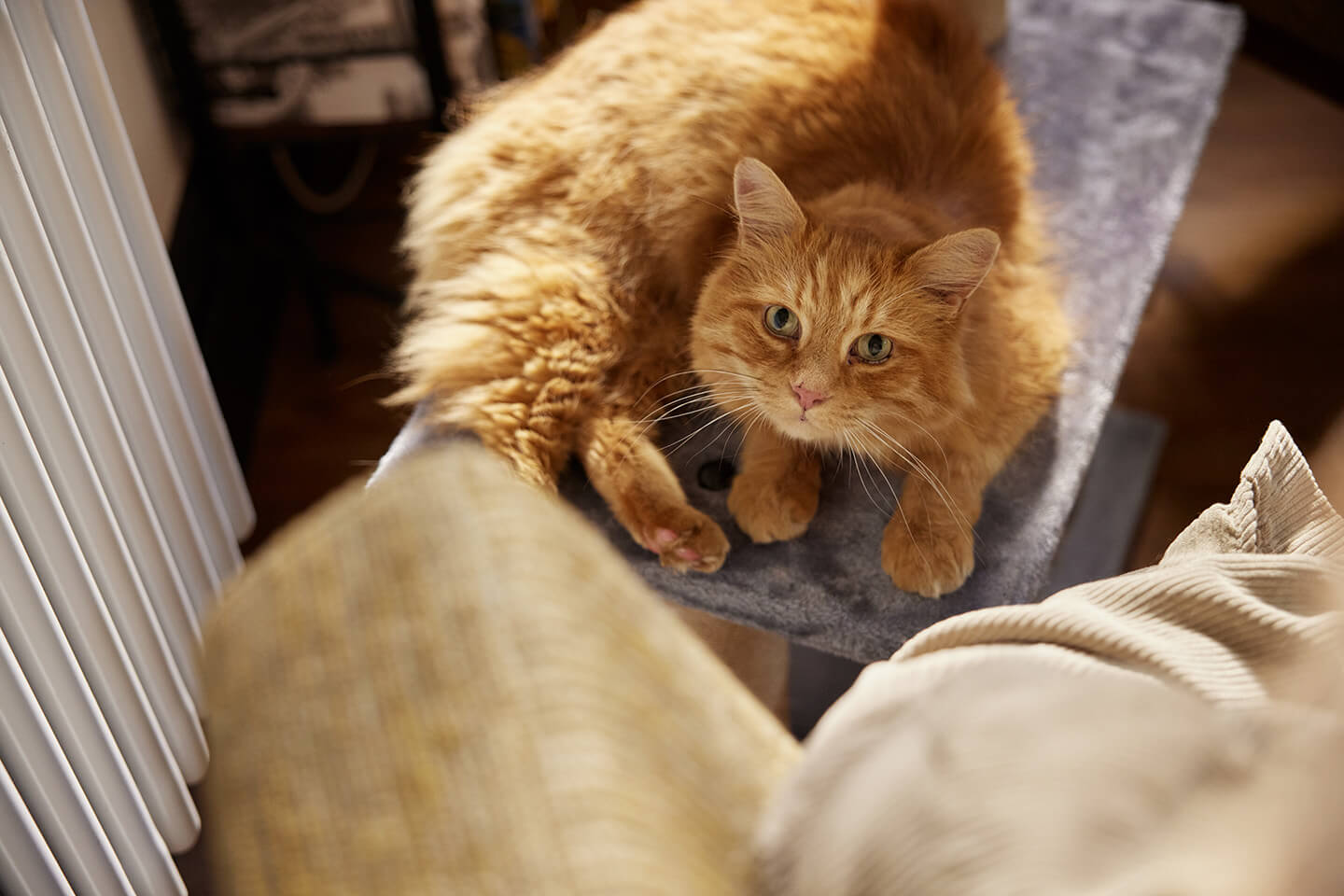
Cats are independent creatures, but they still need care, attention, and a safe environment when left home alone. While many cats can manage short periods by themselves, it’s important to understand their individual needs and provide the right setup to keep them happy and comfortable.
This guide covers everything you need to know about leaving your cat at home, from how long they can be left alone to recognising signs of stress or separation anxiety. With a few simple adjustments, you can ensure your feline friend stays secure and content while you're away. Let’s explore how to make time apart easier for you and your cat!
When you're out at work, taking a trip to the shops or spending time with friends, leaving your cat alone is fine as long as they have access to fresh food, water. Remember that all cats are different though and the length of time they're comfortable alone will vary.
Based on feline expert advice, the maximum amount of time you should leave a cat alone is 12 hours. If you plan to be out for a significant portion of time, it might be wise to get someone to cat-sit for you, or look into cat daycare if that’s a viable option for your budget.
The amount of time a cat can be left alone depends on several factors, including the cat's age, health, personality, and environmental enrichment. While cats are generally more independent than dogs, they still need care, attention, and mental stimulation. Here are some general guidelines:
- Kittens under 6 months old, require more attention, socialization, and feeding. They should not be left alone for extended periods. If you have a kitten, it's advisable to arrange for someone to check on them every 3-4 hours.
- Adult Cats and older kittens are generally more independent and can be left alone for longer periods. However, it's recommended not to leave them alone for more than 8-12 hours a day. If you have a particularly sociable or active cat, they may benefit from more frequent interaction.
- Senior cats or cats with health issues require more frequent monitoring and care. They may need medication, special diets, or assistance with grooming.
Regardless of age, all cats benefit from environmental enrichment. Provide toys, scratching posts, window perches, and other stimuli to keep them mentally and physically active. Ensure your cat has access to a clean litter box. Cats are generally fastidious about their litter box habits, and a dirty box can lead to stress and health issues.
It's important to assess your cat's individual needs and make arrangements accordingly. If you're going to be away for an extended period, consult with your vet or a professional pet care service to ensure your cat's well-being.
Some cats really don’t like being left alone and can get stressed if they don’t have company for long periods of time. Keep an eye out for signs that your cat is stressed when you start leaving them at home. Some common signs of anxiety in cats can be:
- Becoming more withdrawn or hidden, even when you’re at home.
- Being less tolerant of other people in your home, or even yourself.
- Showing hesitation or reluctancy to use the litter tray, the cat flap (should you have one) or being less affectionate towards you.
- Urinating more frequently than normal, or in inappropriate places.
- Eating or drinking less than usual.
- Acting out, such as scratching furniture or hissing and growling.
- Vomiting or diarrhoea.
If your cat is showing any of these signs, or they seem different from their usual selves, it’s a good idea to take them for a visit to the vets. Reducing stress in cats can be solved by a few simple changes to your routine or the amount of time you leave them home alone - so bear this in mind when considering leaving them for long periods of time.
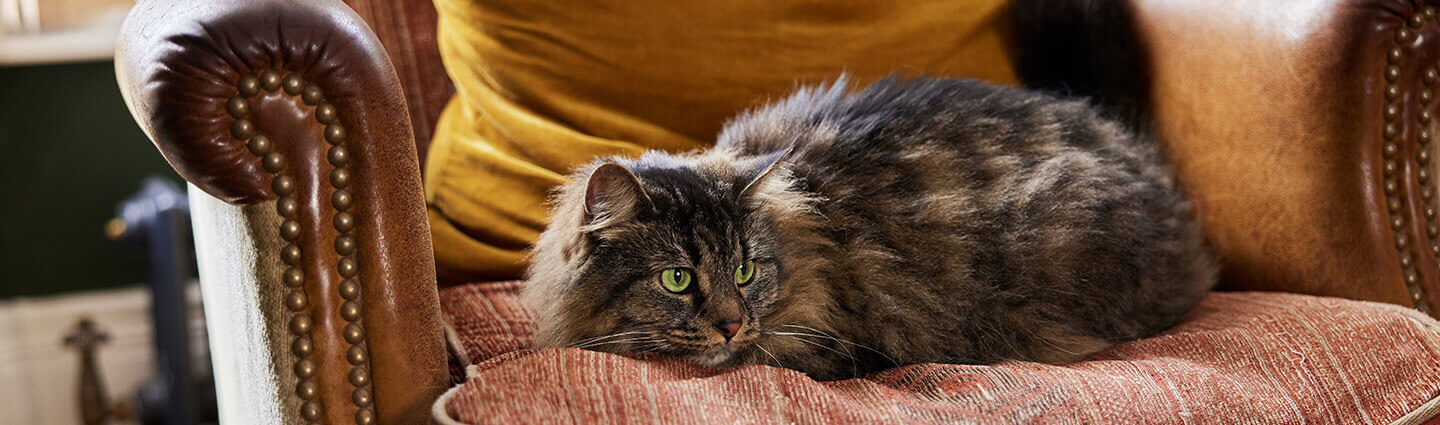
While separation anxiety is more commonly associated with dogs, some cats can also experience anxiety when left alone. Signs of separation anxiety in cats may vary, and it's essential to differentiate them from other behavioural or medical issues. Always consult your vet for to rule out health issues before trying to correct a behavioural issue.
Here are some potential signs of separation anxiety in cats:
- Excessive Vocalization - Cats may meow excessively when left alone, especially if they are not typically vocal. This can be a way for them to express distress or call for attention.
- Destructive Behaviour: Cats with separation anxiety may engage in destructive behaviour, such as scratching furniture, chewing on objects, or knocking things over.
- Inappropriate Elimination - Some cats may urinate or defecate outside the litter box when left alone. This can be a sign of anxiety or stress, but it's essential to rule out any potential medical issues causing this behaviour.
- Excessive Grooming - Cats may groom themselves excessively when anxious. This can lead to hair loss or skin issues. In some cases, cats may also engage in "barbering," where they excessively groom or chew the fur of another cat in the household.
- Changes in Appetite - A cat with separation anxiety may experience changes in appetite, either eating more or less than usual. Stress can affect a cat's digestive system.
- Hiding - Some cats may retreat to hiding spots when left alone, seeking a secluded and safe space to cope with their anxiety.
- Pacing or Restlessness - Cats with separation anxiety may exhibit restlessness, pacing, or an inability to settle down. They may seem agitated and may have difficulty relaxing.
It's important to note that these behaviours can also be indicative of other issues, such as medical problems, boredom, or changes in the environment. If you suspect your cat is experiencing separation anxiety, consult your vet. They can help rule out any underlying medical causes and provide guidance on behaviour modification techniques or, in severe cases, recommend medications to alleviate anxiety.