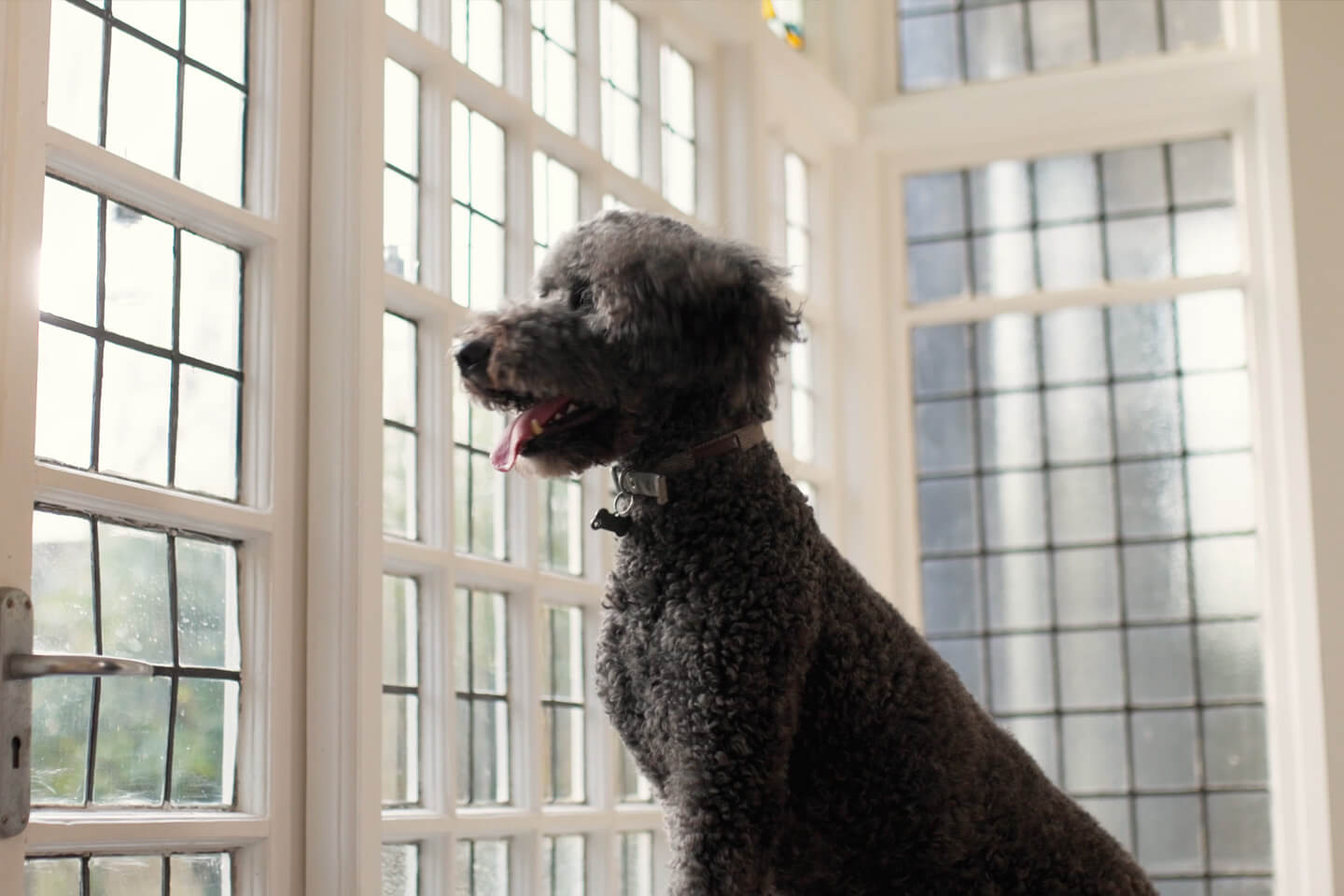
Preparation is key when moving house with your dog or puppy. Having everything in place can reduce stress for you and your pet, and we’ve put together the key actions you’ll need to take before, during, and after your move.
To move house with your dog, you’ll want to make sure the following items are prepared ahead of time:
- A collar with your phone number on your dog, to ensure that if they do escape they will be returned as soon as possible.
- A ‘dog in room’ sign for the house you’re leaving, handwritten is fine. This will stop movers from accidentally opening the room where your pet is kept.
- A dog crate or harness with a seat belt connector to keep your pet safe as you travel to your new home.
- A box of familiar toys and blankets to be unpacked in your new home.
Senior dogs may be more sensitive to change than puppies, so you may choose to let them stay in their safe space while moving is happening. Consider taking them to a sitter, friend, or familiar boarding facility until the move is over.
Puppies thrive on routine, so keeping their walks and meals at the same time as usual over the move will help with adjusting. You may notice that the excitement of the move will result in a change in your puppy’s behaviour – they may nip, jump, or chew when they haven’t done this in months. If they do, don’t punish them but attempt to re-establish their routines as early as possible in their new home. Reaffirm their confidence with some basic separation training to reduce anxiety around their new environment.
Before the day of the house move, there are a few procedures to undertake to make sure that everyone is prepared.
Consider putting your dog in a familiar boarding facility, day care, or sitter’s house on moving day if they are particularly sensitive to change or noise.
If you’re using a moving company, make sure to inform them that there’ll be a dog in the house on moving day.
Prepare a quiet room for your dog to relax in on moving day. If this is a room away from their normal sleeping area, spend some time in the planned room in the weeks before the moving day to get your dog acclimatised.
Pack a box of your dog's toys and unwashed blankets and use these to set up a new safe space in the new home in preparation for the arrival of your dog.
Decide beforehand on one member of the family who is responsible for your dog on moving day. This will ensure that your dog is fed, watered, walked, and medicated (if necessary) at the appropriate time on what will be a busy day.
On move-in day it can help to have a list of things to do so you don’t get muddled with the chaos of moving. We’ve put together a short list of the recommended actions to take.
Before the removal company arrives, put your dog in the safe room you’ve prepared. Close all doors and windows to prevent escape and place a ‘dog in room’ sign on the door to prevent inadvertent escapes. Once the removal team arrives, remind them in person that your pup is in a certain room.
Feed your dog as normal in the morning. Consider adjusting mealtimes that fall immediately before travelling in case of car sickness.
Unpack the box of toys and blankets in the new house as early as possible to help their scent work its way through the property, ideally in the location they will be sleeping.
Move your dog last of all after everything is in the new home and the removal company has left. The less noise and unfamiliar people, sights, and smells that they have to deal with the less stressful triggers there will be.
When transporting your dog, ensure that they are restrained in the car as per advice from the UK Government. Use a dog crate or car harness with a seatbelt connector. For long journeys, make regular stops for a chance to use the bathroom, stretch their legs, and have a drink of water. Never leave your dog in the car unattended, no matter the temperature.
When you arrive in the new home, try to keep your dog in the room where you unpacked their toys and blankets. This helps to reduce stress by giving your dog familiar surroundings until they are ready to explore their new home.
Once your dog has been moved to the new home, there are a few things you can do to ensure your dog is comfortable and adjusting well to their new home.
Consider a small meal of your dog’s usual food or play with a familiar toy to associate the home with positive feelings.
Once you’re happy that your new house is safe and all windows and doors are shut, let your dog out of their room to explore. Walk around the house with your dog to offer any reassurance if needed.
If there’s time, take your dog for a walk to stretch their legs and explore their surroundings. Keep your dog on a lead as they will be unfamiliar with their surroundings and the anxiety from the day may trigger them to run away.
If you’re moving somewhere close to your old home, there’s a chance your dog will try to find their way back. To avoid this, create positive memories in your new home in the form of grooming, playing, and treats to reward good behaviour.
Where it can be prevented, avoid leaving your dog on their own in the new home for the first few days. Regression with separation anxiety can happen when moving environment, so if you’re able to it’s recommended to take some extra days off work.
Ensuring there are familiar smells will help your dog adjust. Also consider stress-relieving diffusers (pheromone or herbal based) to help your dog settle further.
Update details on your dog's microchip and name tag on their collar.
It can take a wide range of time for a dog to get used to a new house – from hours to days. The adjustment speed depends on their temperament, history, and how the moving process was undertaken.
Dogs can tell when their environment has changed, and it may take a little bit of time for them to recognize that their new space is their home. The moving process itself can be scary due to the smells, noises, and new people. After your dog is in their new home, they may seem confused or may whine as if nervous or unsure. This is normal and can be helped with plenty of attention and positive reinforcement in the new home.
Signs that your dog is stressed or struggling adjusting to their new home can include whining, a change in appetite or bathroom accidents, hiding or seeking refuge, or increased clinginess.
It’s important to provide your dog with a sense of security and familiarity, such as maintaining their regular routines, providing their favourite toys or blankets, and offering plenty of reassurance and attention. If your dog continues to exhibit signs of stress even after the move, consider talking to your veterinarian or professional dog trainer for additional support and guidance.