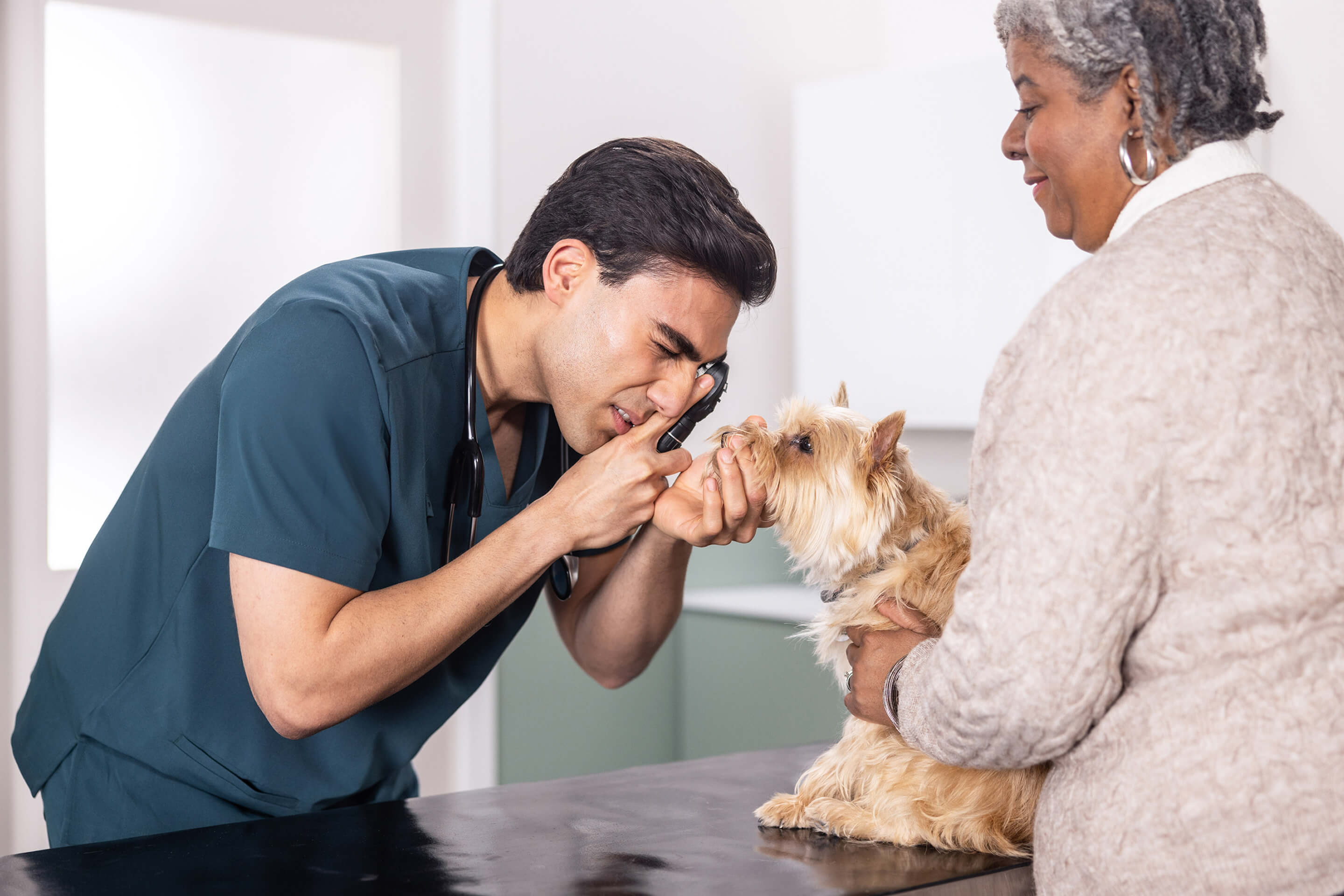
It goes without saying, pets depend on healthy ears and eyes. When their senses are perky, the world feels calm and comfortable. And when they’re not, there will be signs long before your pet finally puts their paw down about it. Here’s how to keep them in top shape.
Cats and dogs rely heavily on their hearing, but their ear canal shape is longer than a human’s and has an L-shaped bend which can make them surprisingly prone to issues. Dogs with long ear flaps, those who like to swim and those with very hairy ear canals can be even more prone. Wax builds up more easily, moisture gets trapped, and allergies or infections can flare quickly. When something goes wrong, most pets tell you with excessive head-shaking or scratching. You may also see redness, dirty-looking wax or even a nasty smell.
Why ear problems happen
Allergies are major troublemakers. Whether from food or the environment, they often ring the alarm in your pet’s ears first, causing redness and scratching. Warm, damp ear canals are an invitation for yeast or bacteria to settle in (especially for dogs with floppy ears that create more humidity).
Cats can run into their own ear problems, like mites that cause intense itching and leave behind crumbly dark debris.
Poor cleaning routines, swimming sessions, can all fan the flames.
How to take care of your pet’s ears
Regular, gentle cleaning helps keep ears in good working order. Stick to pet-safe cleaners and wipe only what you can see. But keep cotton buds well away; they tend to cause more trouble than they solve. If your dog is part fish and loves a dip, drying their ears afterwards helps stop infections from setting up camp. If your pet has any signs of irritation around the ears, it is always best to get them checked by a vet. There may be underlying infection or allergies that are the root cause and will need treatment that goes beyond cleaning the ears.
For allergy-prone pets, tackling triggers such as diet, dust or pollen, where possible, may help ear irritation settle down. And for some breeds, a little trimming around the ear canal improves airflow.
How often should I clean my pet’s ears?
Generally, most healthy pets do not need their ears cleaning. A check every week though will help you keep on top of any issues forming. Only clean the ears if they appear very dirty and only use products recommended by your vet. If you notice any redness, discharge, odours or your pet seems very uncomfortable, always get them seen by a vet first.
When it’s time to see a vet
If you notice a strong smell, redness, swelling, increased head-shaking, debris or discharge, bleeding, it’s time for a vet visit. Ear trouble escalates fast, and early treatment stops things from spiralling, long before your pet is pawing at you to say something’s not right.
Your pet’s eyes are their window to the world, and sometimes the first place you’ll spot discomfort. They can tell you a lot about how your pet is feeling.
Common causes of eye issues
Pets can develop watery eyes, redness or irritation from infections, allergies, dust, small scratches, trauma, blocked tear ducts and more. Flat-faced breeds (like Pugs and Persians) often need extra care due to their prominent eye shape, while older pets may develop cloudiness or changes in vision over time.
Daily eye care
A simple daily check can keep eye problems from sneaking up on you. Wipe away any discharge with a damp cloth and keep the fur around the eyes clean so nothing tickles or irritates. Tear staining is easier to manage with routine cleaning rather than a once-a-month panic scrub.
And while many pets love a breezy car ride, open windows can fling dust and grit straight into their eyes. Not the kind of road trip souvenir they need.
When to see a vet
If you spot squinting, cloudiness, redness, increase or change in type of discharge or a sudden tendency to bump into furniture, get things checked as soon as possible. Eye problems can develop quickly and are often very painful for your pet. Early treatment keeps their world bright and easy to navigate.