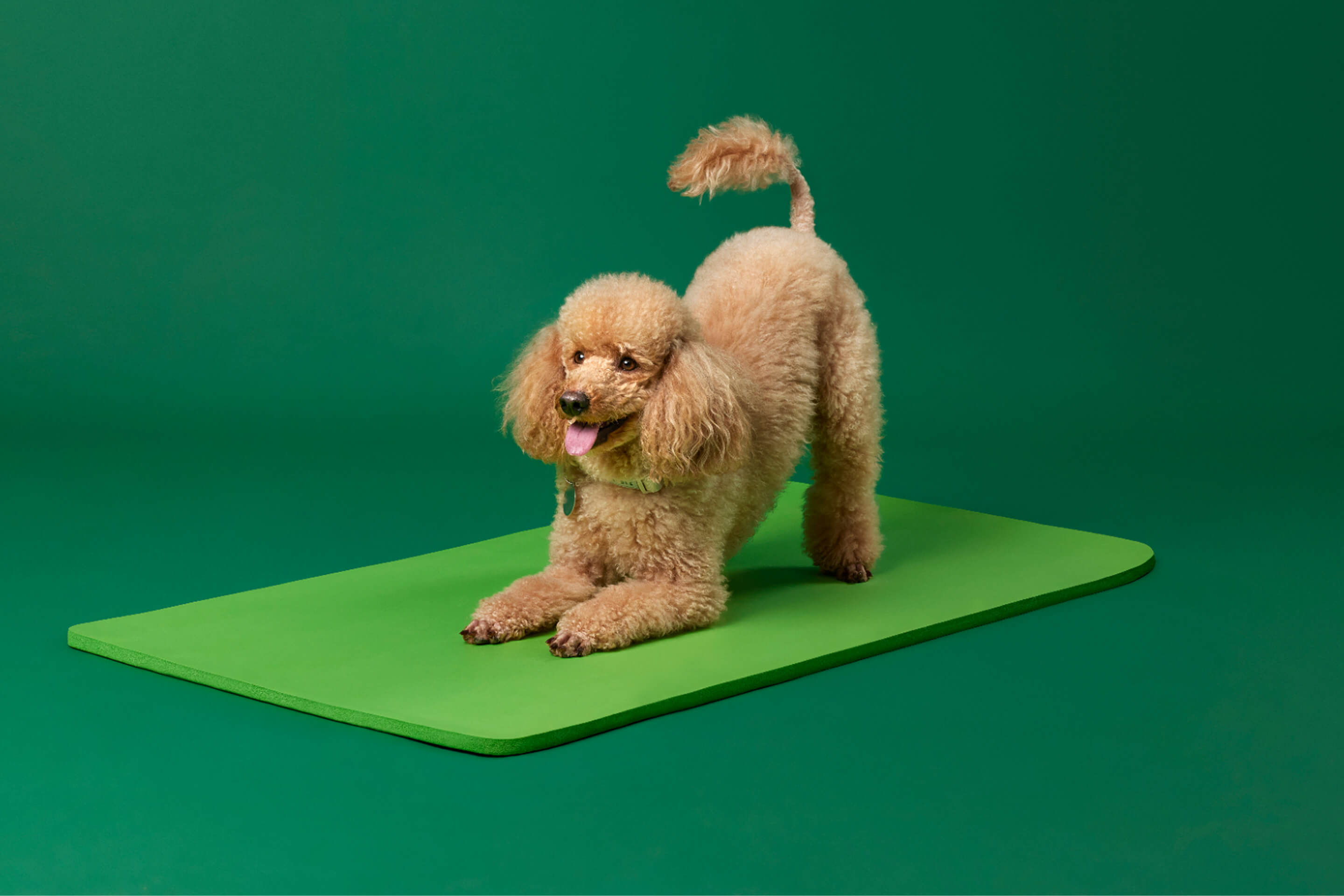
As pets age, they have less of a spring in their step. These changes can be normal, but can also signal that your pet is in discomfort, and their joints need some support.
Here are ten practical ways to keep your pet moving comfortably, and ready for anything from walkies to zoomies.
Keeping your pet at a healthy weight is one of the simplest ways to protect their joints. Even a little extra padding puts unnecessary pressure on their hips, knees and elbows. A leaner frame usually means easier, freer movement.
Regular, low-impact movement keeps joints feeling comfortable. Dogs do well with steady walks, while cats prefer short bursts of play that tap into their hunter instincts. A little daily activity just keeps them on their toes, helping joints stay mobile and their body in a natural rhythm.
Ingredients such as collagen and green-lipped mussel may help provide the building blocks for healthy cartilage and mobility. Royal Canin Joint & Ageing Dog Supplement Soft Chews are a great source of green-lipped mussel. Think of it like giving your pet a leg up. Always discuss with your vet before starting any new supplements.
A few small changes can make a big difference to how comfortably your pet gets around. Supportive memory-foam beds let them truly unwind, ramps reduce the impact of daily ups and downs, and rugs give older paws much-needed traction. You could also look into low beds and low edged litter trays. Small creature comforts that can make a massive difference.
Strong muscles act like natural shock absorbers. Dogs benefit from hill walks and short swims. Cats can climb trees or towers, which make them stretch and engage their back legs, but this may not be possible after the onset of joint disease. Any activity is a bonus. Stronger supporting muscles mean happier joints; the body’s own built-in teamwork.
Overgrown nails change a pet’s posture and gait, forcing joints to work harder. And too much fur between paw pads can turn floors into accidental ice rinks. A quick trim of both helps them stand more naturally and move more confidently.
A well-worked brain can save a lot of wear and tear on the legs. Simple training games and puzzle toys help your pet feel fulfilled, without too many zoomies. So try to keep their boredom at bay.
A small change in how your pet moves can mean more than it seems. Your vet can spot early joint issues before they slow your pet down. For example, they may be able to spot arthritis, with signs like stiffness or changes in gait. Think of it as getting one step ahead.
Even in their golden years, pets benefit hugely from staying active, and this is really important for weight management. But they may prefer it slower, steady and more frequent. Dogs tend to favour easy walks, and cats enjoy playing in short bursts. Keep a close eye on signs of stiffness, or reluctance to walk or play. Speak to your vet if you have concerns, or want further advice about adjusting activity levels.