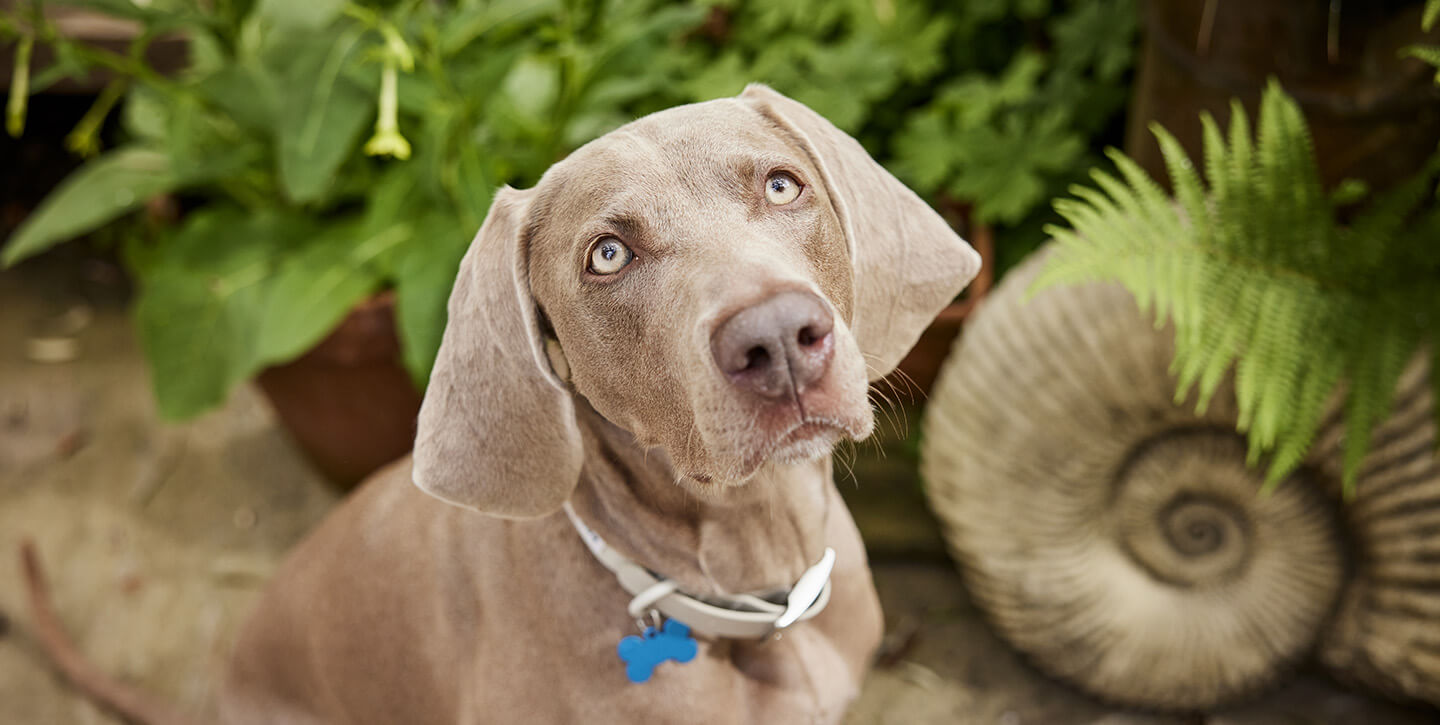
Dogs eat plants: whether that is grass on a walk, or other plants outside or in the house, some dogs do enjoy chewing greenery. Knowing which plants are safe and which are not will allow you to act quickly if you think your dog has been eating a plant that could do harm.
House Plants:
Many indoor or house plants are toxic if ingested by dogs, so before buying new plants for the house, check which ones are safe. If you receive plants or bouquets with flowers that are not safe, they should be kept out of reach of your dog.
Some of the more common plants to avoid include Alocasia (Elephant’s Ear), Amaryllis, Christmas Cherry (Solanum), Chrysanthemum, Codiaeum (Croton), Cyclamen, Dieffenbachia, Eucalyptus, Ferns (not true ferns), Ivy, Kalanchoe, Sansevieria (Snake Plant, Mother-in-law's tongue); Senecio (String of Pearls), Schleffera (Umbrella Plant).
Flowering Plants:
Almost all flowers that come from bulbs are toxic for dogs, especially lilies, hyacinths, tulips and daffodils. It is safe to assume that any flower from a bulb (Crocus, Lily of the Valley, etc) or corm (Irises, Gladiolii, etc) will be toxic if your dog eats any part of the plant.
Other flowering garden plants to be aware of include Begonia, Clematis, Delphiniums; Hydrangea, Lilies, Polyanthus, Wisteria and Bird of Paradise amongst others.
Ferns:
True ferns are considered non-toxic to dogs. BUT some fern-lookalikes are highly toxic. Asparagus ferns (also called Emerald feather, Plumosa fern and lace Fern) are not true ferns but related to Lilies, Tulips and Hostas, so they are very toxic.
Perennials:
The mainstay of most UK gardens are the perennial plants. Perennials that are considered as toxic to dogs include Aloe Vera, Azaleas and Rhododendrons, Daphne, Delphiniums, Digitalis (Foxglove), Hellebore (Christmas or Easter Rose), Ipomoea (Morning Glory), Ricinus communis (Castor Oil Plant), Ricinus communis (Castor Oil Plant), Solanaceae (Deadly Nightshade, tomato plants, potato plants, chili and bell pepper plants, etc) and Zantedeschia (Arum Lilies and Calla Lilies), amongst others.
If you have lots of perennials in your garden it is well worth trying to identify them, then if your dog is a plant chewer, you could either restrict their access or remove any toxic plants.
Succulents:
Many succulents are non-toxic for dogs but some, such as Aloe Vera, Crassula (Jade), Euphorbia (Pencil Cactus, Crown of Thorns), Kalanchoe and Sansevieria (Snake Plant) are toxic if ingested in any quantity. Always research before buying succulents to make sure they are non-toxic.
Which plants are safe for dogs:
There are many, many plants for any situation or use that are non-toxic to dogs. A few examples are Buddleia, Canterbury Bell, Coreopsis, Hibiscus, Hollyhock, Gerbera, Nasturtium, Pansies, Petunia, Roses, Sunflower, Valerian and Zinnia.
If you have dogs and are planning to add new plants, shrubs or trees to your garden, or buying plants for the house, research the plants you want to use to check that they are not toxic.
Christmas:
Many of the beautiful winter plants we bring into our homes at Christmas have hidden dangers for our canine friends. Amaryllis, Christmas Cactus, Christmas Rose (Hellebore), Christmas tree (Pine), Cyclamen, Holly, Hyacinth, Ivy, Mistletoe and Poinsettia are all toxic if eaten by dogs. If your dog is known for nibbling the houseplants, then these should be avoided.
Spring/Easter:
While most bulbs and flowers that are brought into the home to celebrate spring or Easter are poisonous for dogs, there are some that you can bring in safely. Gerbera, Easter Cactus, Orchids, Roses, Sunflowers and Zinnia are all non-toxic to dogs, but all bulbs, Chrysanthemum and Hydrangea, amongst others should be kept out of harm's way.
Other celebrations:
Flowers are also given to celebrate Mother’s Day, Valentine’s Day and Birthdays etc. Mixed bouquets can contain a wide array of flowers, so checking them for the toxic ones (Chrysanthemums, Eucalyptus, Lilies etc) as well as the harmless (Roses, Sunflowers, Alstromeria and Gerberas). Keeping the arrangement up where your dog cannot reach the flowers is always advised, as is removing any dying flowers before they fall. Access to the water in the vase should also be avoided.

Signs of poisoning in the dog depend on the part of the body that the poison targets. Most toxins act on the gastro-intestinal tract, causing drooling, vomiting and/or diarrhoea with or without blood.
Toxins that act on the kidneys may result in increased drinking and weeing to start, then vomiting and weight loss as the kidneys are damaged.
Neurological signs include twitching, tremors or seizures, collapse and coma. Some toxins cause respiratory signs or anaemia. Some plants are irritant to the mouth or skin and can cause rashes, ulceration or swelling.
The time of onset of these signs again varies with the toxin that has been eaten. Some act very quickly – holly produces signs 2-3 hours after ingestion, while dogs that have eaten grapes or onions will only show signs after several days. Generally, toxins that produce gastro-intestinal or neurological signs are seen quicker than those that result in organ failure.
If you think your dog has eaten something poisonous, then call your vet for advice straight away. The earlier a poisoning is treated the more successful the outcome.
If you catch your dog eating a plant that you know to be poisonous or are not sure of, contact your vet straight away. If you don’t know what the plant is, take some of it with you to the vets, so they can try and identify it and work out if it is poisonous. If your dog vomits and there is plant material in the vomitus, try and work out which plant it came from.
A fast response is needed in any case of poisoning: the vet may be able to make your dog sick before the toxins in the plant are absorbed and/or give treatment to help with any signs that develop quickly. Depending on the toxin, treatment in hospital may also be advised in some cases to reduce the chances of organ failure.
No. Domesticated dogs do not have the learned knowledge of generations of wild dogs, so tend to eat whatever they find and regret it later. Most poisonous plants smell and taste bitter, but your pet dog has not learned that bitterness is a warning, so will eat it anyway. If you have a dog that chews plants, then it pays to make sure that they only have access to safe plants at times when they are not being supervised.