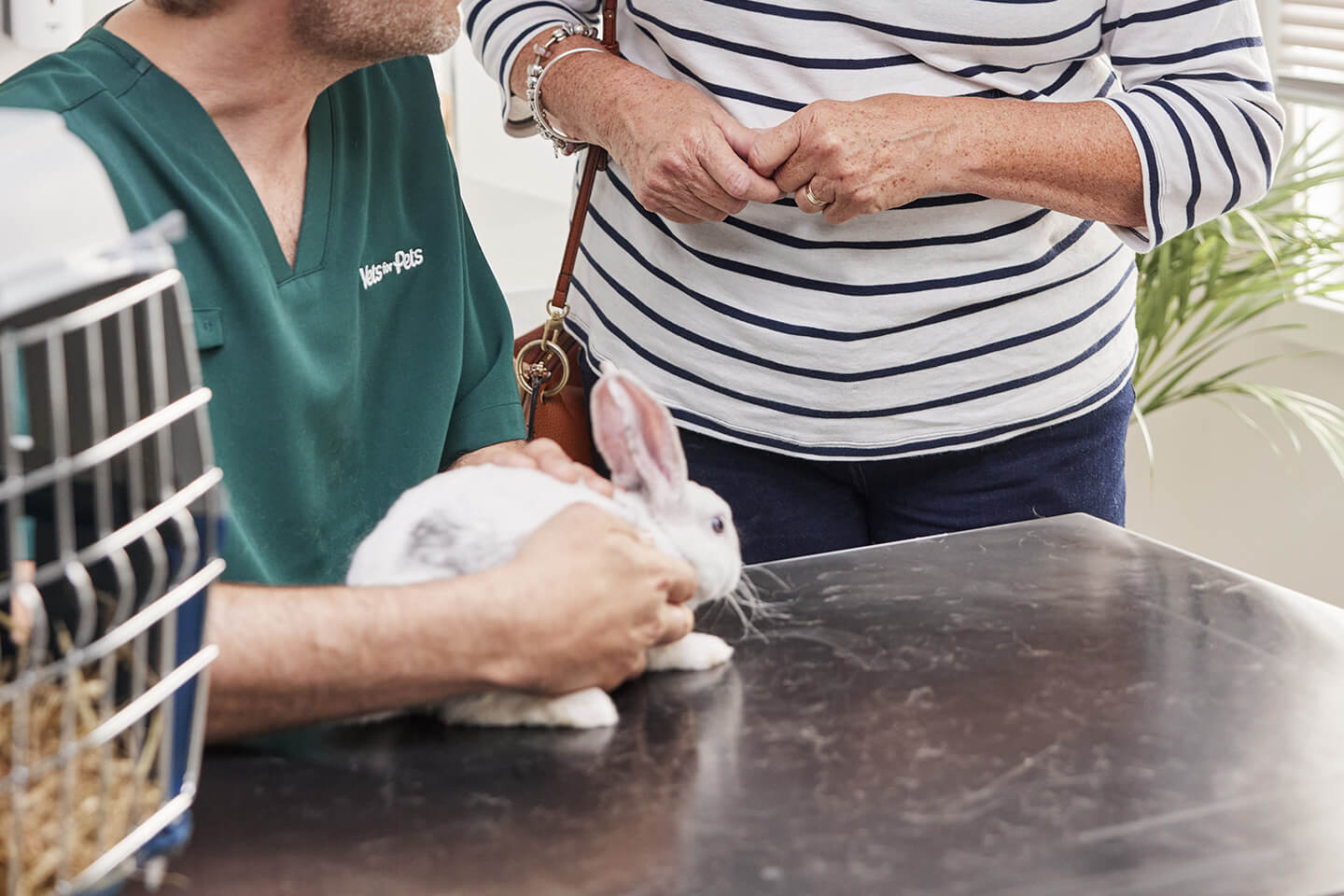
Learn about the costs involved in owning rabbits, from food and housing to healthcare and accessories, to ensure you're fully prepared for your new pets.
The PDSA estimated in 2024 that over their lifetime, a pair of indoor rabbits is expected to cost at least £7,700 - £10,600. These prices are estimated for two rabbits with an average life expectancy of 7-10 years. Outdoor rabbits are expected to cost approximately £8,000 - £11,000.
These figures are the estimated minimum cost required to take care of your rabbit’s basic welfare needs, however, does not include any further vaccinations beyond their initial set, nor does it include any upgrades or medications that may be required later in life.
Rabbits are very sociable animals that require appropriate companionship to keep them happy, which is why we always recommend keeping them in pair or groups.
You will need to consider the initial costs for general setup, for outdoor rabbits this will include essentials such as:
- A suitable hutch, hutch cover and run
- Bedding and substrate
- Food and supplies such as bowls and bottles
- A pet carrier to safely transport your rabbits
- Medical care: Initial vaccinations, microchipping, flystrike prevention and neutering
- Pet insurance
- Grooming equipment
- Hides and toys
Indoor-only rabbits will also require:
- A litter tray and scoop
- Indoor pen
- Sandpit or burrow-box
- Bunny-proofing for the house
Setting up the perfect environment for your rabbit is essential. Explore our curated Essentials for Small Animals collection, featuring everything from nutritious food to comfortable bedding, ensuring your rabbit's comfort and well-being.
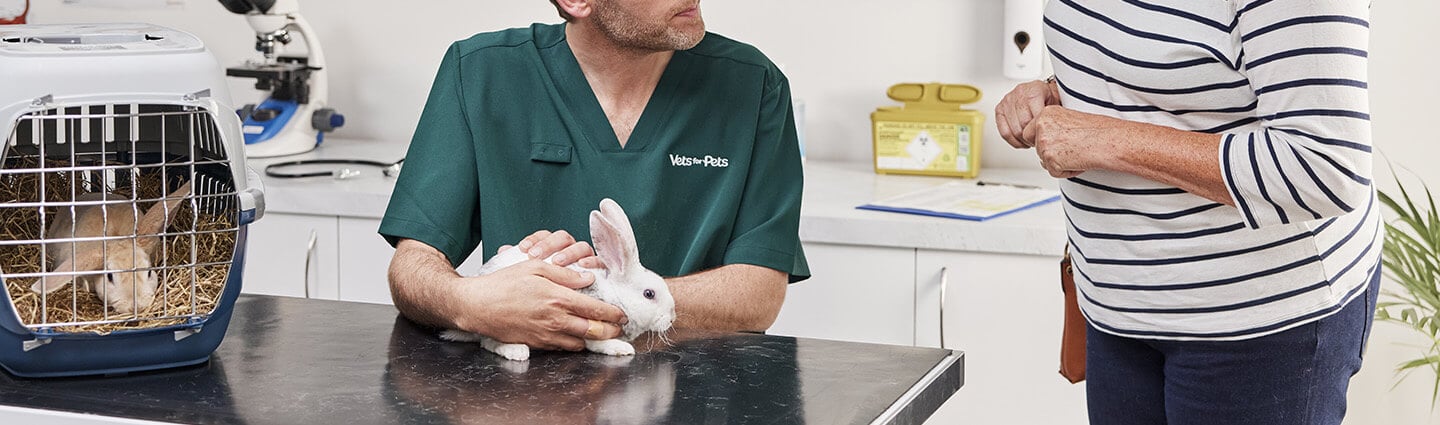
Like all pets, rabbits will have a monthly cost as they will need their bedding, food, and insurance refreshed regularly. On average, according to the PDSA, the minimum monthly cost for a pair of indoor rabbits is £80, and for a pair of outdoor rabbits is £84. These numbers do not include replacement of items due to general wear and tear. They also don't include extras like new treats, any boarding or kennelling fees, repairs to existing equipment, or their further yearly vaccines.
The type of food your give your rabbits, as well as the quality, amount, and brand, will result in varying costs. All rabbits should have constant access to unlimited hay and water, a nutritionally balanced rabbit food, and appropriate fresh vegetables. This food should be refreshed twice daily to keep your rabbits happy and healthy.
Speak to one of our Pets at Home colleagues to explore your options. Explore our range of rabbit food and feeding hay to find the best options for your furry friends.
The cost of rabbit neutering and spaying can differ between practices. It’s recommended you contact your veterinary practice for specific prices.
Prices vary depending on what area you live in. Rabbits require an initial course of vaccines and yearly boosters. Check with your local Vets for Pets for accurate prices.
Illness, injury, disease, and behavioural advice can increase the cost of keeping rabbits. Here are a few things to consider:
- Dental procedures: Rabbits with chronic dental issues may require a dental procedure every 4-8 weeks.
- Gut stasis treatment: Depending on the severity, hospitalisation may be needed and if required, would be an additional cost per night for overnight care
- Ear problems: More common in lop breeds than other breeds, treatment, and even possible surgeries can increase the cost of owning rabbits.
- Limb fracture: Costs for limb fracture repair can be difficult to estimate as it depends on the type of fracture, where it is, and how it is repaired.
For a comprehensive selection of rabbit healthcare and grooming products, explore our Rabbit Healthcare and Grooming range.
Insurance premiums for rabbits vary dependent on location, rabbit type and age. Premiums can be greater if your rabbit has any preexisting health conditions. Insurance companies have range of different coverage rates so ensure that you choose one that suits your needs.
Some key things to consider are:
- The excess (the amount you have to pay directly to your vet before you get reimbursed by the insurance company)
- The length of the policy – some policies cover your rabbit for a fixed term only, other for the life of your pet (as long as you continue to pay the premium).