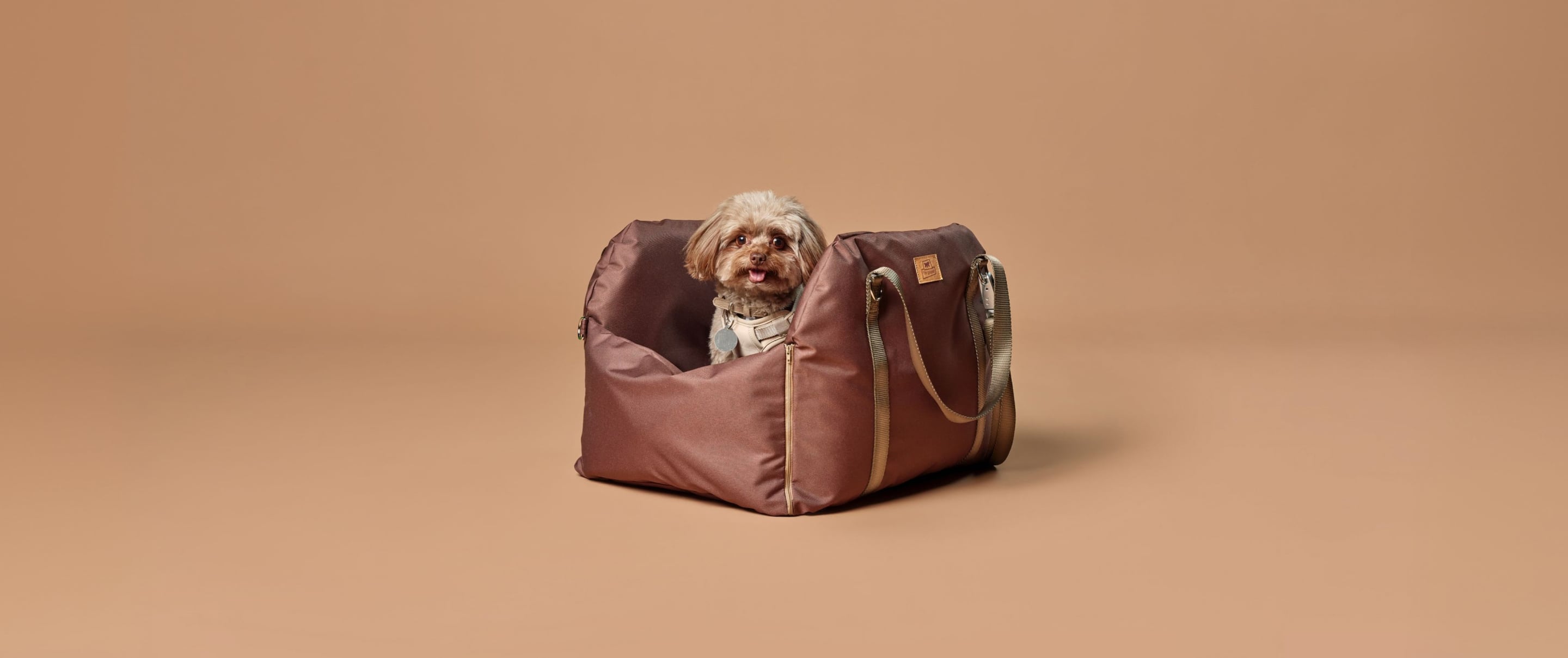
Travelling Safely in the Car with Your Dog
Whether it’s a quick trip to the vet, a weekend away, or a full UK staycation, travelling with your passenger pup takes a little planning.
Car journeys can be exciting for some dogs and stressful for others, but the goal is always the same: keep them secure, comfortable and calm from the moment you set off to the moment you arrive.
With the right setup, a bit of preparation and a few useful travel essentials, car journeys with your dog can be safer, smoother and much more enjoyable for everyone.
Choose the right place in the car
The first thing to think about is where to position your dog.
In most cases, your dog should travel in the back seat or in the boot area, provided the space is secure, well ventilated and suitable for their size. Putting a dog in the front passenger seat is not recommended. They can distract the driver, and passenger airbags can seriously injure a dog if they deploy.
The boot can work well for larger dogs, especially with a properly fitted crate or dog guard. Smaller dogs may be more comfortable on the back seat in a suitable harness or carrier. A good example is KONG Ultimate Dog Safety Seat and Tether.
The key is that they have a secure space where they can settle without moving around the car.
Use proper restraints
In the UK, dogs and other animals must be suitably restrained in a vehicle so they cannot distract the driver or injure themselves or others if the car stops suddenly. The Highway Code lists seat belt harnesses, pet carriers, dog cages and dog guards as suitable restraint options.
A crash-tested harness attached to a seatbelt point is a good option for many dogs. It helps keep them in place, prevents them from climbing around the car and reduces the risk of injury during sudden braking.
A safely fitted crate can also be a great choice, particularly for dogs who feel calmer in an enclosed space. The crate should be large enough for your dog to sit, lie down and turn around comfortably, but secure enough that they are not sliding around inside it.
Whichever option you choose, make sure it fits your dog properly and is installed according to the manufacturer’s instructions. A restraint is only useful if it’s secure.
Create a stable, comfortable setup
Once your dog is safely restrained, comfort matters too.
Cars move in ways dogs cannot predict. Turning, braking and accelerating can make them slide or lose balance, especially if they are sitting on a smooth seat or boot floor. Adding a non-slip mat, padded liner, travel bed or car seat hammock can help create a more stable surface.
This makes the journey more comfortable and can also help anxious dogs feel more settled. A dog who feels physically secure is often more likely to relax.
For longer journeys, it’s worth giving them a familiar blanket or bedding that smells like home. It adds comfort, reassurance and a little bit of familiarity to a new travel setup.
Watch the temperature
Temperature is one of the most important safety points when travelling with a dog.
Keep the car cool and well ventilated while you travel. Use air conditioning or open windows slightly where safe, making sure your dog can’t lean out, jump out or be blasted directly by strong airflow for long periods.
Most importantly, never leave your dog alone in a parked vehicle - not even for a few minutes. Cars can heat up dangerously quickly, even when it does not feel especially hot outside. Dogs can develop heatstroke rapidly in a warm car, and it can be fatal.
If you need to stop somewhere your dog cannot come with you, plan ahead so another adult can stay with them safely, or leave your dog at home instead.
Plan regular stops
For longer journeys, breaks are essential.
As a general guide, plan to stop every one to two hours so your dog can stretch their legs, go to the toilet, have a drink and reset before continuing. This is especially important for puppies, senior dogs and dogs who are not used to travelling.
Keep a lead close to hand before opening car doors, even if your dog is usually calm. New places, traffic noise or excitement can make dogs behave unpredictably.
Travel water bottles and portable bowls are useful for car trips, days out and staycations, making it easier to offer water wherever you are. A short break can make a big difference to your dog’s comfort and reduce restlessness once you’re back on the road.
Reduce anxiety and travel sickness
Some dogs love the car. Others find it stressful, and some may experience travel sickness.
If your dog is nervous, start small. Build up to longer journeys gradually by taking short, positive trips first. You can begin with simply sitting in the parked car, then progress to very short drives, before working up to longer routes.
Familiar smells can help. A favourite blanket, soft toy or travel bed can make the car feel less strange. Calming travel products may also support some dogs, particularly when used alongside training and gradual exposure.
For dogs who feel sick, avoid feeding a large meal right before travelling. A light meal a few hours before the journey is usually a better option. Good ventilation, regular breaks and allowing your dog to face forward where possible may also help reduce nausea.
If your dog continues to be sick, drools excessively, shakes, whines or becomes very distressed in the car, speak to your vet. They can check for underlying issues and recommend safe ways to manage travel sickness or anxiety. A great example is Johnson's Travel-eze Tablets For Dogs and Cats 24 Pack.
Useful products for car travel
The right kit can make journeys much easier.
Crash-tested harnesses help keep dogs secure in the back seat. Travel crates can create a safe, enclosed space for dogs who prefer a den-like setup. Non-slip mats, hammocks and travel beds help prevent sliding and make the car more comfortable.
Portable water bowls and travel bottles are ideal for regular drink breaks, while calming products and familiar bedding can help nervous dogs feel more at ease.
No single product replaces proper planning, but the right setup can make the whole journey safer and calmer.
Ready for the road
Car journeys do not have to be stressful.
By choosing the right place in the car, using a proper restraint, keeping your dog cool, planning regular breaks and helping them feel calm, you can make travel safer and more enjoyable for both of you.
With the right prep and kit, you and your passenger pooch can hit the road with confidence - whether you’re heading to the vet, visiting family or setting off on your next staycation.
Because pet emergencies aren’t a 9-5 thing
Mid-afternoon or middle of the night, when your pet needs our help, we're here for them. Every Pets Insurance policy offers a 24/7 Vet Connection helpline for life’s fur-covered calamities. So, you can get expert advice whenever and wherever you are.
Last updated: