Ways to Help Calm Your Pet
Just like us, our pets can sometimes feel anxious, overwhelmed or unsure of the world around them.
Whether it's a thunderstorm, a trip to the groomer, being left home alone or just meeting new people, there are plenty of situations that can make both dogs and cats feel stressed. The good news is that, with a little patience and the right approach, you can help your pet feel more secure and confident.
Let's look at some of the best ways to support calmer, happier pets.
Understanding anxiety
Anxiety isn't uncommon in pets, and it can develop for lots of different reasons.
Some animals struggle with being left alone, while others become worried by unfamiliar places, visitors to the house, or trips to the vet or groomer.
Dogs and cats often show stress in different ways, so it's useful to recognise the signs.
In dogs, anxiety may appear as restlessness, excessive panting, pacing, barking, whining or destructive behaviour. Some dogs may become clingy, while others withdraw completely.
Cats are often more subtle. They may hide more than usual, over-groom themselves, scratch furniture excessively or stop using their litter tray normally. Changes in appetite or sleeping habits can also be clues that something isn't quite right.
Occasional worry is perfectly normal, but if anxiety starts affecting your pet's quality of life, appetite, sleep, wellbeing or behaviour, or if it leads to aggression or self-injury, it's time to get professional advice.
Your vet can rule out any underlying pain or medical conditions that may be contributing to the behaviour. If needed, they may recommend working with a qualified clinical animal behaviourist, who can develop a personalised behaviour plan using evidence-based techniques such as gradual desensitisation and positive reinforcement.
If you're looking for a qualified professional, organisations such as the Animal Behaviour and Training Council (ABTC) and the Association for the Study of Animal Behaviour (ASAB) provide directories of appropriately qualified behaviourists and trainers.
Creating a calm environment
One of the simplest ways to reduce stress is by making your pet's home environment feel predictable and safe.
Dogs, in particular, often love routine. Feeding them at similar times each day, keeping walks fairly consistent and maintaining a regular bedtime can help them know what to expect.
Every pet should also have somewhere they can retreat when they need some quiet time.
For dogs, this might be the cosy crate they’ve known from day one. Cats often prefer enclosed or raised resting places where they can watch their surroundings while feeling secure. Covered beds, shelves and cat trees can all provide excellent hideaways.
A calm environment also means providing plenty of mental stimulation. Boredom can contribute to stress, particularly for intelligent or energetic pets.
Sniffing games, puzzle toys and gentle training sessions give dogs a fun outlet for their natural behaviours. Cats benefit from food puzzles, climbing opportunities and interactive play that encourages stalking and chasing.
And, of course, dogs still need regular exercise. Daily walks aren't just about physical fitness - they provide valuable opportunities to sniff, explore and decompress, helping release built-up energy and tension.
Building confidence through training
Helping your pet feel more confident often starts with rewarding the behaviours you'd like to see.
Whenever your pet remains calm in a situation they might normally find worrying, reward them with praise, treats or play. Over time, they'll begin to associate those situations with positive experiences.
If your pet is nervous about something specific, like visitors, being left alone or certain noises, gradual exposure can help when done with the help and advice of a professional. This involves introducing the trigger in a controlled, low-intensity way while ensuring your pet stays relaxed, then slowly increasing the challenge over time.
It's important not to rush the process. Progress happens gradually, and every pet learns at their own pace.
Avoid punishing or scolding fearful behaviour. Punishment can increase anxiety, and damage the trust between you and your pet. Positive reinforcement is far more effective for building lasting confidence.
For vaccinated puppies, early, positive socialisation plays an important role in helping them become comfortable around different people, places, and experiences as they grow. Safely familiarise them with as many experiences as possible while offering positive reinforcements.
Another useful confidence-building exercise is carrier training, particularly for cats. Rather than only bringing the carrier out for vet visits, leave it in the home all year round with soft bedding, treats or favourite toys inside. When the carrier becomes part of everyday life instead of something to fear, journeys are often much less stressful.
Can nutrition support calmer behaviour?
Good nutrition supports every aspect of your pet's health, including their brain and nervous system.
Omega-3 fatty acids, particularly EPA and DHA, play an important role in normal brain function and may support cognitive health in both dogs and cats.
A balanced diet containing high-quality protein also provides a steady supply of amino acids that support normal body function, while helping maintain consistent energy levels throughout the day.
For dogs, slowly digested carbohydrates like oats or sweet potato may help provide more sustained energy compared with rapidly digested carbohydrates. Some owners also choose to include antioxidant-rich ingredients, such as blueberries or pumpkin, as part of a balanced diet to support overall health.
If you're considering changing your pet's diet or introducing supplements specifically for behaviour, it's always worth discussing this with your vet first.
Making calm part of everyday life
Supporting a relaxed pet isn't about one magic product. It's about lots of small habits that add up.
Regular daily routines help pets feel secure because they know what to expect.
For dogs, walks that allow plenty of time for sniffing can be just as valuable as the exercise itself. Sniffing is mentally enriching and gives dogs a chance to explore their environment at their own pace.
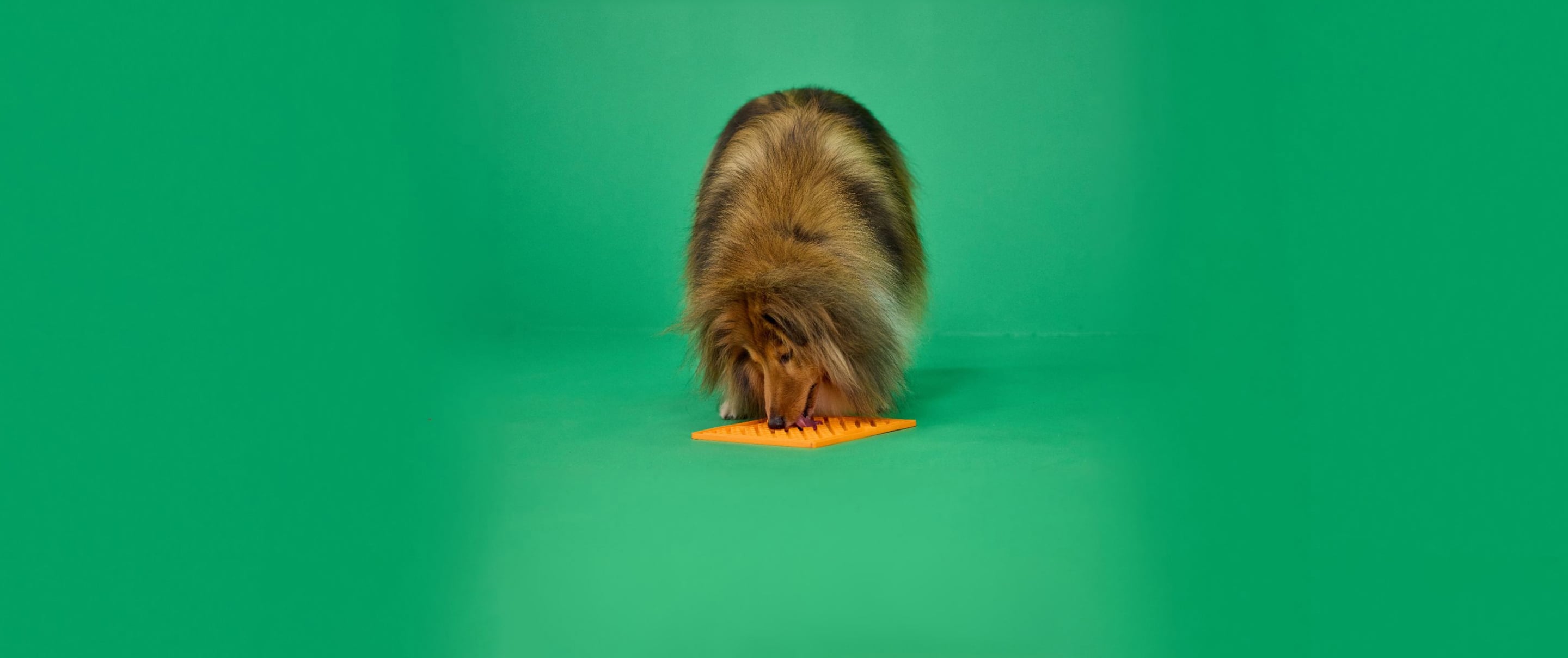
Activities such as slow feeders, puzzle feeders, licking mats and safe chewing opportunities can also encourage calm behaviour by keeping pets occupied in a relaxing, rewarding way.
Some owners find calming chews helpful before predictable events such as fireworks, travel or visitors, although these tend to work best as part of a wider management plan rather than as a standalone solution.
Calming music or gentle white noise can also help mask sudden sounds that might otherwise startle sensitive pets.
Considering calming aids
There are also lots products that can help support relaxation.
Pheromone diffusers and sprays, like Adaptil for dogs and Feliway for cats, mimic naturally occurring calming pheromones and may help some pets feel more secure in their environment.
For some dogs, calming collars that slowly release pheromones can provide ongoing support during training, socialisation or changes in routine.
Pressure jackets are another option. These garments apply gentle, constant pressure around the body, and some dogs appear to find this comforting during stressful situations such as fireworks, thunderstorms or travel. A great example is ThunderShirt Calming Coat Jacket for Dogs.
Anxiety doesn't disappear overnight, but small, consistent changes can make a remarkable difference.
By understanding your pet's triggers, creating a predictable routine, encouraging confidence through positive training, providing plenty of mental enrichment and using calming aids where appropriate, you can help your dog or cat feel more relaxed and secure.
With a little patience, plenty of reassurance and lots of positive experiences, you'll be helping your pet build confidence, and making calm a natural part of everyday life.
Your pet will surprise you...
Have you ever tried behavioural therapy for your pet? Just like therapy for humans, it can help them overcome challenging patterns linked to fear or anxiety. And did you know that Pets Insurance includes up to £500 of annual cover for behavioural therapy* as standard? Whether it’s teaching an old dog new tricks or getting an old dog new hips, find out how Pets Insurance can protect your pet for life, here.
*Excludes pre-existing conditions. Terms and Conditions apply.
Last updated: