Welcoming a small pet: how to support their welfare
Whether it’s a hamster, a gerbil, or a pair of guinea pigs, small pets take up a big space in our hearts.
Getting things right from the start can make a huge difference to their welfare, health and happiness. From choosing the right species to setting up the right enclosure, here’s how to give your new arrival the big welcome they deserve.
Think about the long-term commitment
Lifespan is another big factor, and it varies more than many people expect.
Some small pets, such as hamsters, may live around one to two years. Others, like rabbits, can live for up to 14 years. That’s a big difference, so it’s worth thinking honestly about how long you can commit to caring for them.
Every species comes with its own timeline, so choosing a pet that fits your lifestyle and long-term plans is just as important as choosing one you think is cute.
Give them more space than you think
When it comes to housing, one of the biggest surprises for new owners is that most small pets need far more space than people expect.
Different species need different enclosure sizes, layouts and set-ups, so it’s important to choose housing that’s appropriate for the animal you’re bringing home. In general, bigger is better.
Where you place that enclosure matters too. Keeping it in a family area can help your pet stay involved in everyday life, but you’ll also need to think about the species’ natural habits. Hamsters, for example, are nocturnal, so putting them in a bedroom might not be ideal unless you enjoy being woken up at 2am by a wheel workout.
It’s also important to keep enclosures away from strong sprays and aerosols, as small pets have very sensitive lungs. Avoid placing them near windows too, where direct sun could overheat the enclosure or draughts could make it too cold.
And if you’ll be handling your pet outside their enclosure, make sure you’ve got a safe, escape-proof area ready - especially for tiny, speedy pets like gerbils. The last thing you want is a miniature high-speed chase around the house. Make sure there are no wires within reach either, as many small pets love to chew.
Have the essentials ready
Get set for your small pet. Before they arrive, it really helps to have all the basics in place.
Start with suitable bedding that’s safe for the species you’ve chosen, and plan to change it regularly to keep the enclosure clean and hygienic. Clean sheets matter, even when you’re six inches tall.
Food is just as important. Small pets need a species-specific diet that’s tailored to their nutritional needs, so don’t assume one food suits all. And no, they shouldn’t be sharing your snacks.
You’ll also need a water bottle or bowl that’s the right size for the pet and enclosure.
Don’t forget enrichment
A good setup isn’t just about the basics - it should also let your pet express their natural behaviours.
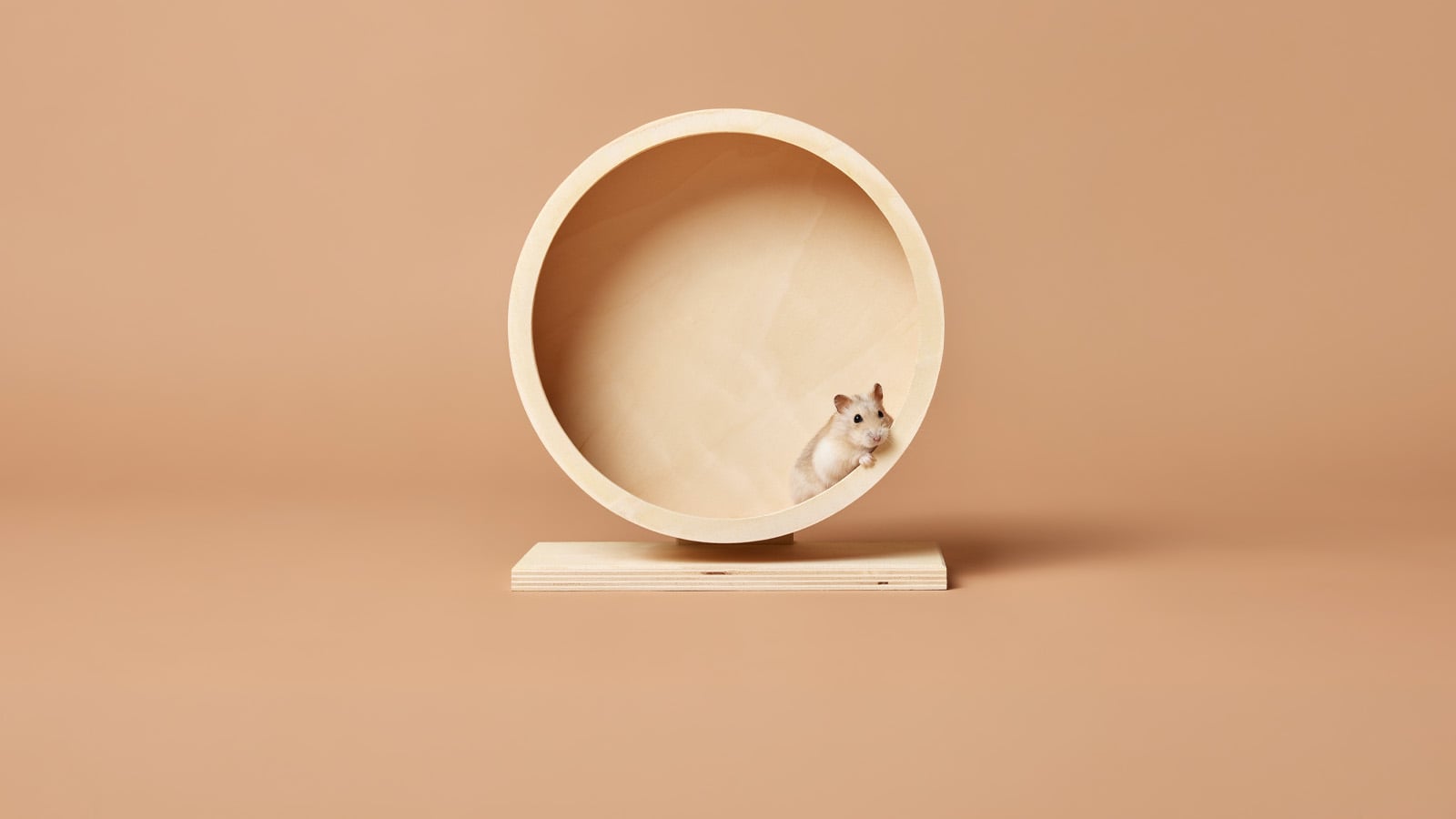
That means providing enrichment such as hides, tunnels and chew toys, along with anything else appropriate for the species. Exercise wheels can be great for some small pets, but they need to be large enough to avoid excessive back arching. Chew toys are especially important for animals whose teeth keep growing, helping to prevent overgrowth and support dental health.
These kinds of additions help keep small pets active, mentally stimulated and more confident in their environment.
A small pet still deserves a big welcome
Don’t be afraid to dream big. Choosing the right species, understanding their social needs, planning for the long term and setting up the right environment all play a huge role in their welfare.
It’s time to roll out the tiny red carpet. Give them the right space, diet and enrichment, and you’ll be helping them feel safe, healthy and at home from day one.
Last updated: