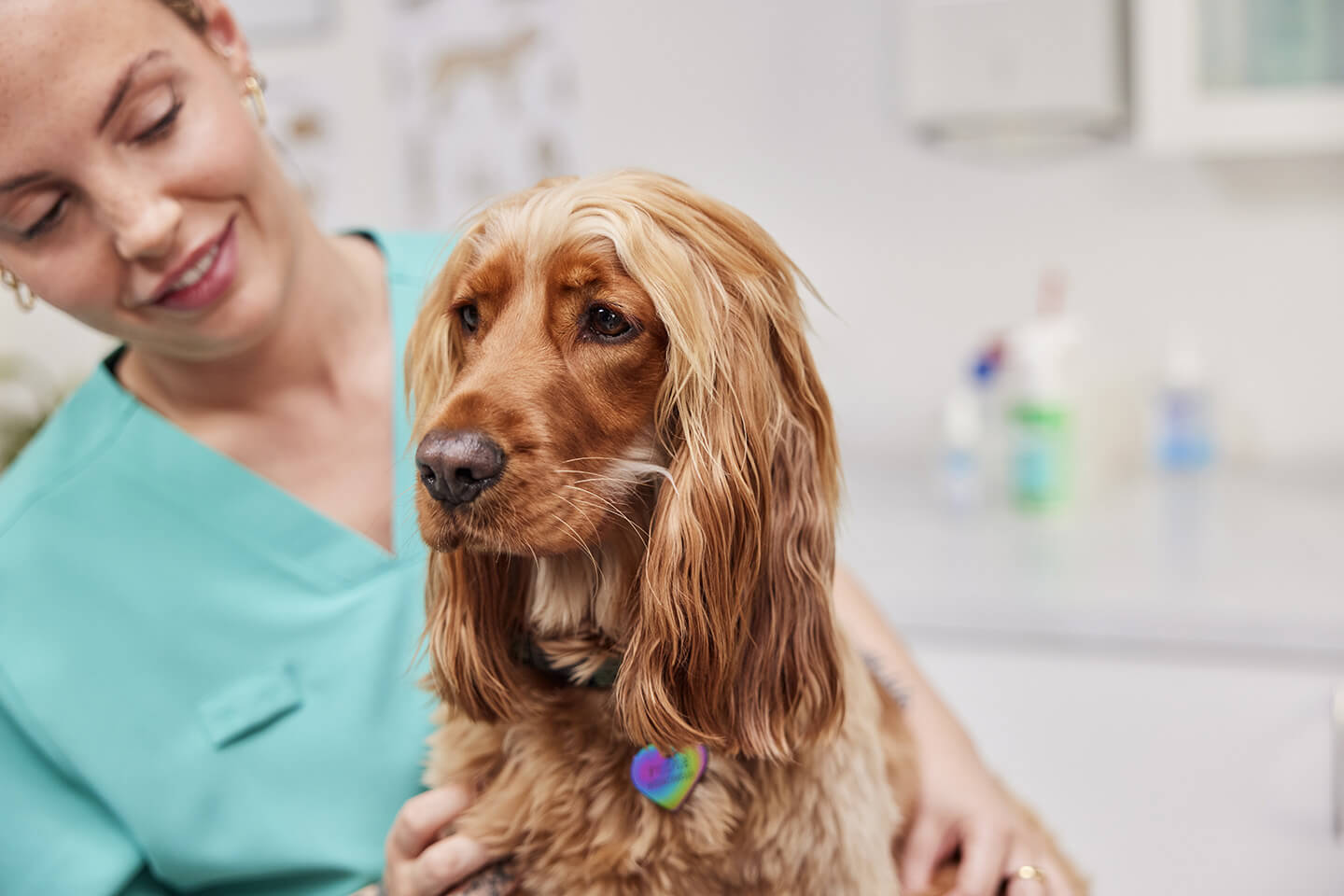
Puppies are bundles of energy and curiosity, which makes them both delightful companions and, unfortunately, prone to accidents. From rambunctious play to misadventures with household items, the early stages of a dog’s life often come with unexpected bumps and bruises. Understanding the most common injuries puppies face—ranging from sprains and cuts to ingestion of harmful substances—can help pet owners stay vigilant and prepared. This article delves into the typical injuries puppies encounter, how to prevent them, and what to do if your furry friend needs help, ensuring their first months are as safe and joyful as possible.
Puppies can be clumsy; they don’t look where they are going, and they have no fear. They have not yet learned that it hurts if they walk straight off the edge of the sofa or that your older dog will tell them off if they keep annoying them. They want to explore everything with nose and teeth. They also don’t understand that they could get hurt if they play or lay right behind your feet, run in front of you while you are walking around or wriggle when they are being carried.
If you have a small puppy, you need to keep a close eye on them to make sure they are not putting themselves at risk. Before puppy comes home, it is best to thoroughly check the areas where pup is going to spending time and ‘puppy-proof’ it to reduce hazards.
Get down to puppy level and find and block any gaps that puppy could get into or through. Make sure electrical cables, house plants and anything else that shouldn’t be chewed are hidden away or moved out of reach. Anything that could be knocked over or broken if puppy has a zoomie will need moving out of the way. Consider the flooring and furniture as well. A young puppy is likely to have some accidents while being toilet trained and will chew whatever they can reach while they are teething, so anything precious to you will need removing until puppy is toilet trained and has learned what they can chew.
When puppy is home, try and always know where they are. They will squeeze into small gaps or other unsuitable places – for example, the gap underneath a reclined chair is always tempting, until the person laying on it sits up and closes the chair with pup inside. If you are walking around, keep a check on where your puppy is, as they are skilled at laying behind your feet or running out right in front of you. If you have to carry your puppy, make sure they are well supported to avoid a drop if puppy wriggles, or use a pet carrier for longer carries.
If your puppy becomes too boisterous, then the chance of injury increases, so just calming your puppy down if they a bit too excited can help prevent too many bumps and bruises. Puppies playing together can start out just being a bit of a wrestle but can escalate into violence if one of them gets a bit cross. Monitoring play and stepping in if things get a bit over the top will help teach puppy when they need to stop and protect them from injury.
Puppy injuries are quite common and even with all the above precautions may not always be avoided. Preparing the puppy’s new home with careful monitoring and training (they need to learn the word ‘No’, ‘Leave’ and ‘Come’ quite quickly) can help to ensure that your puppy will stay safe.
Any injury that results in loss of consciousness, problems with breathing or uncontrolled bleeding must be seen by a vet as an emergency. Non-weight bearing leg injuries, severe pain, open wounds and eye injuries are among those injuries that need urgent attention at your vet practice. If your puppy has chewed on or eaten something they shouldn’t have, an urgent discussion with the vet is advised.
Minor wounds and injuries may still need veterinary attention, so if your puppy hurts themselves or eats something they shouldn’t, always ring your vet for advice. If your vet feels that it is safe for your puppy to be treated at home, they will explain what you should do.
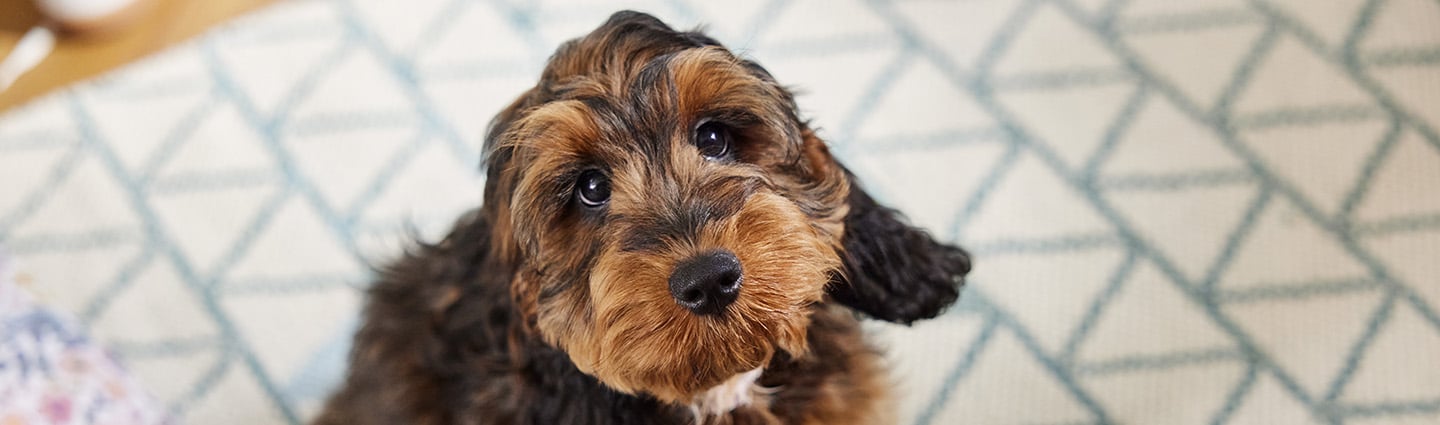
Puppies love to play and socialise with other dogs, and this can get a bit rough at times. Whether wrestling with other puppies or being told off by an adult dog, it is likely that at some point your puppy will receive a nip or a scratch.
If the wound has associated swelling, if bleeding is not stopping or if a puncture wound is present, especially if it on the chest, abdomen, face or neck, then veterinary advice is necessary. Any wound involving an eye, the mouth or the genitals should be checked by a vet.
If the wound is bleeding, then gentle pressure can be applied directly to the wound until it stops.
If the wound is very minor, just a superficial scratch or a shallow puncture wound for example, then bathe with cooled boiled water and blot it dry to clean it. Do not apply creams or antiseptics that have not been prescribed by a vet as some of these can be toxic to puppies if licked off. A buster collar or vest that covers the wound can be put on to stop your puppy licking at the wound.
Puppies at full speed do not have complete control of their steering or brakes, so collisions do happen. Puppies can be over-exercised if walked for too long or when playing with other dogs. Limping is a sign of pain and should not be ignored. Puppies can bump themselves, get muscle pain if over-exercised, sprain/strain their joints if they land awkwardly or get over-excited on rough ground.
If your puppy is unable to weight bear on a leg, if they yelp when trying to walk or if a lameness persists for more than 24 hours, then contact your vet for advice. Taking a couple of videos of your puppy walking about at home will really help your vet see how your puppy is moving and where the lameness is coming from. Dogs feel better and limp less at the vets when they are excited, so home videos show how your puppy is moving when relaxed.
A muscle strain, or pulled muscle, usually heals within a few days. A sprain, which is an injury to the ligaments and/or joint capsule, can take around 6 weeks. The hardest part of recovery for your puppy is the rest that is needed to allow healing.
The cranial cruciate ligament (CCL) runs through the knee joint from the back of the femur to the front of the tibia and is one of the ligaments that keep the knee joint stable. It is susceptible to rupture from sudden twisting movements in young dogs and due to wear and tear in older dogs. A knee with a ruptured CCL will become unstable and will be painful for around 10 days. The ligament will not heal, so usually surgery is needed to increase the joint stability.
In a relaxed dog, veterinary diagnosis can be made by manipulating the knee. If your dog is tense or has a large muscle mass, the vet may need to sedate them to get the muscle relaxation needed for accurate testing and then x ray the knees for final diagnosis. Do not try to manipulate the knee yourself as this can be very painful and could result in injury to you or your dog.
Bone cannot grow, so growth occurs in cartilage strips across the bones and the new tissue is then ossified (turned into solid bone). These cartilage strips are the growth plates and are present in dogs up to 1 year old. All long bones, the pelvis and the vertebrae have growth plates and these close between 3 and 12 months. The growth plates in the carpus and hock and the feet close first, with the last ones to close in the humerus and femur. Growth plates are the weak place in the puppy’s legs as the cartilage is much softer than the bone, so injury to the growth plates is quite common.
Injury to the growth plate is commonly caused by knocking the leg when running into things, twisting the leg or landing heavily during play or exercise. There is usually swelling at the site of injury and pain causing lameness. Vets worry about growth plate injury because a damaged growth plate may close early, stopping bone growth in that part of the bone. This can result in a shortened or bent leg if not diagnosed and treated, so any lameness with associated swelling, whether it is persistent or intermittent should be checked by a vet.
Diagnosis is by vet exam and then sedation and x rays and treatment is by stabilising the growth plate using metal pins or screws. Outcomes are generally good if the growth plate is diagnosed and treated soon after injury, but the younger the puppy the worse the limb deformity will be if the injury is not treated.
If you think your puppy has a broken leg, ring your vet straight away for advice and an urgent appointment. Never try and put a splint or bandage on the leg as it will be painful and can cause serious problems with blood supply to the leg below the fracture. Serious leg injuries should always be treated by a veterinary surgeon.
To transport your puppy, gently manoeuvre then onto a blanket and carry them into the car. If they are small enough, putting a thick bed into a carrier and then laying pup in that will help keep them still during transit. If puppy is very painful, they may try and bite, so be aware and protect yourself as necessary. If you are unable to safely handle your puppy, then your vet can give you advice.
At the vet practice, your vet will gently examine your puppy and give pain relief, and if they suspect there is a fracture, will then give your puppy a sedation or anaesthetic and x ray the affected area. Necessary treatment can then be planned.
Treatment for a broken leg depends on where the fracture is, whether it is a simple break or has several pieces. Your vet will also have to take into account whether there has been skin damage, whether a growth plate is involved or if the fracture involves a joint. Your vet may need to contact a specialist orthopaedic surgeon for more complicated fractures, or some can repair a simple fracture themselves.
Puppies do heal quickly so simple fractures without complications can take 6-8 weeks to heal, with normal activity resumed around 3-4 months after the surgery. Complicated fractures, or those involving growth plates or affecting joints can take longer to heal and can have long term consequences, with gait changes, joint movement restriction or ongoing arthritis.
Your vet will give you the different options, costs and likely outcomes for treating your puppy’s broken leg so honestly consider the options and find which one best suits your pup, your finances and your ability and time for doing post-op care and rehab.
Got a puppy or kitten? Join our Puppy & Kitten Club and enjoy a range of benefits designed to give your new pet the best start. As a member, you’ll receive 10% off your first shop along with a free pack of selected food, plus access to exclusive offers on vets, pet insurance, and grooming services. You’ll also benefit from regular deals on food, treats, and accessories, as well as expert advice to support you every step of the way.