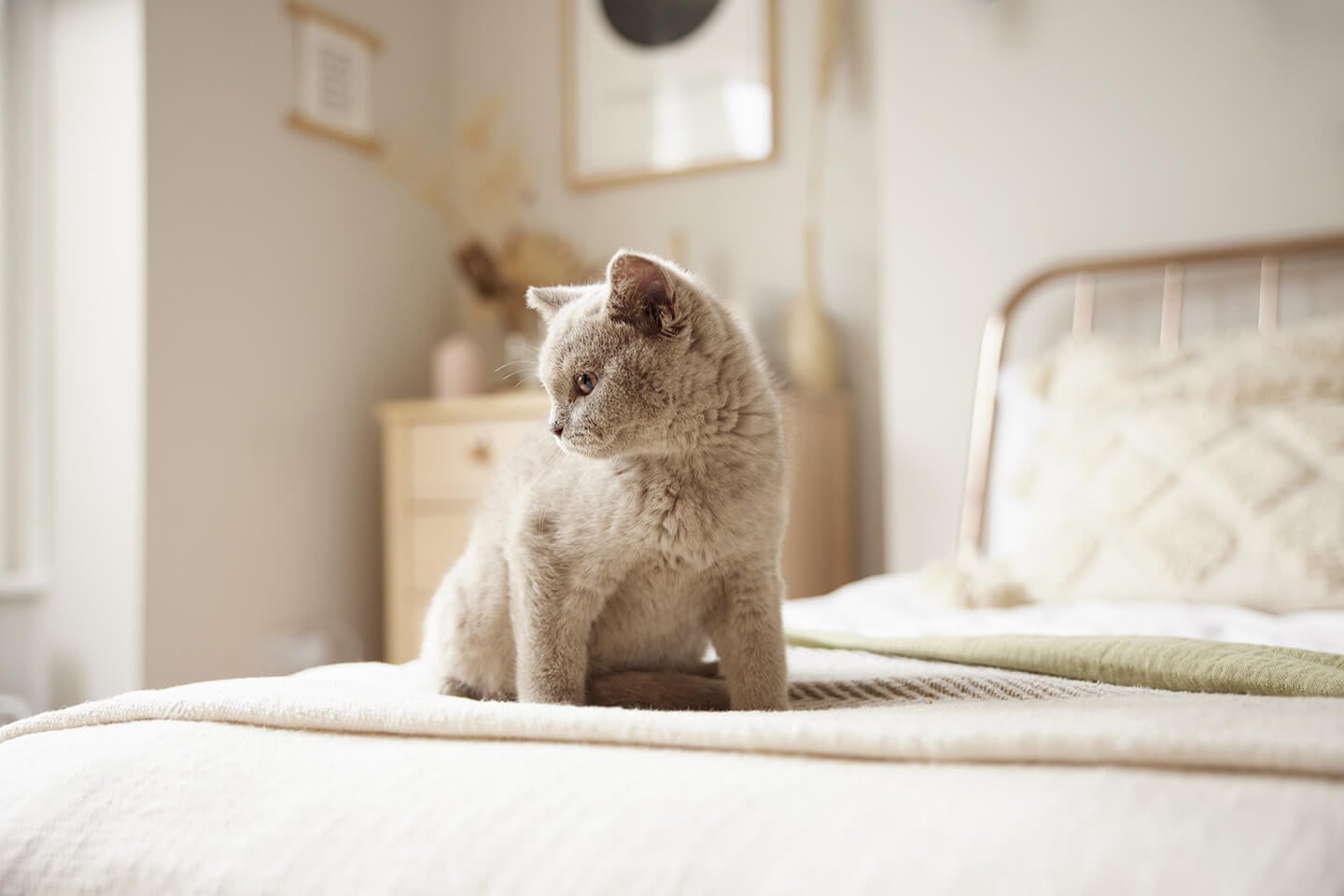
Welcoming a new kitten into your home is an exciting time, and getting their diet right is key to ensuring they grow up healthy and happy. Kittens have unique nutritional needs that support their rapid growth and high energy levels, so it’s important to provide them with the right food and feeding routine.
Our guide is here to answer all your questions about feeding your kitten, from choosing the best food to understanding how much and how often to feed them. Whether you’re a first-time kitten owner or looking to brush up on the basics, you’ll find everything you need to know right here.
Let’s get started with our top tips and expert advice to help your kitten thrive!
Kittens are obligate carnivores. They need a meat-based food that is nutritionally balanced for their life stage to support growth and development. A complete kitten food is the best way of providing everything that your kitten needs for supporting their growth and energy needs.
Most kittens will start to eat solid food at between 3 and 4 weeks old. Weaning should be a slow and steady process and the kittens should be fully weaned after 7 to 8 weeks of age.
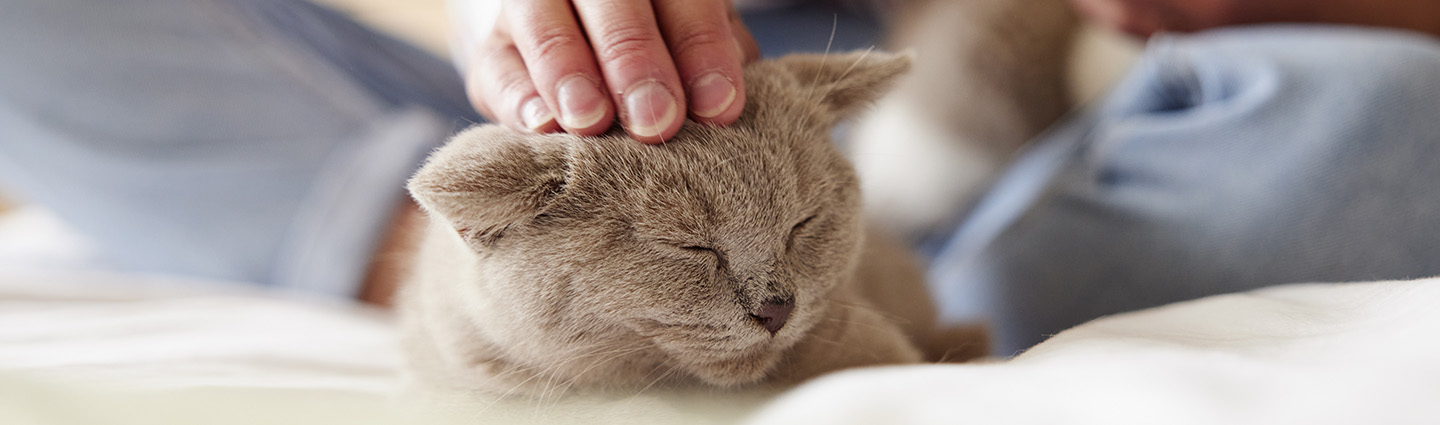
Kittens need a specially formulated kitten food to give them the energy that they need, along with all the necessary proteins, vitamins and minerals for growing.
Home-made diets, dog food and human foods are not suitable for kittens, but kitten foods are readily available in wet and dry forms in various flavours. Kittens cannot digest cow's milk, so it should not be offered.
As kittens only have tiny stomachs, they need to be offered small meals throughout the day at regular intervals. After 8 weeks old, kittens can have three to five meals daily, and after 6 months old, feeding two to four times daily is fine.
It is best to follow the instructions on the food packets for the amount of food needed. Weigh the food out and split it evenly between the meals. This amount of food is the kitten's total daily allowance, so treats should either be avoided, or the amount of kitten food offered reduced a little if treats are given. Overfeeding and underfeeding can both lead to health issues, so feeding the correct amount of food for steady growth and energy is important.
Regularly weigh your kitten to work out exactly how much food they need and increase the amount fed as your kitten grows. To ensure your kitten is growing correctly and maintaining their ideal weight, it is recommended to check your kittens body condition score regularly (every 1-2 weeks). Body condition scoring will allow you to tailor their meals further. Kittens should not be dieted. If they are giving a higher body condition score than optimal then just do not increase their feed amount until this corrects itself. If the body condition score is lower than optimal it is time to increase the feed sizes.
Pick a feeding area that is quiet and away from other animals, where the kitten can eat undisturbed. This area should also be away from their litter box and not next to their water bowl. Make sure that fresh water is always available and clean food and water bowls after every meal.
Kittens should be fed on shallow, wide bowls or saucers as they do not like to eat out of things that touch their whiskers. The bowls also need to be cleaned after every meal.
Most kittens will eat just what they need, but some will eat more than they should, and some will eat less. You should be able to feel but not see the ribs of your kitten and they should have a waist when viewed from above. If you think your kitten is too thin or too fat, then you can adjust their food accordingly or have a weight check with your vet team for further advice.
There are four main reasons for kittens not eating: problems with the bowl, food, stress or illness.
Bowls: kittens should be fed on shallow, wide bowls or saucers as they do not like to eat out of things that touch their whiskers. The bowl should be in a quiet area, away from other animals or people and sighted away from the litter box and water bowl. The bowls also need to be cleaned after every meal.
Food: when you first get your kitten, it is best to keep feeding the same foods as the breeder or rescue centre did. If you do need to change food, it should be done gradually over 7-10 days, mixing the old food with new. A kitten will also stop eating if it is full. If you are giving too much food at one meal, then kitten may not want the next meal, so check the amounts you are feeding against the packet instructions.
Stress: it can be very unsettling for the kitten to have their entire surroundings changed suddenly, and they can go off their food. Ask the breeder or rescue centre for a blanket or toy to take with you, so that kitten has a familiar smell in its new house. Pheromone diffusers can also be used to help kitten settle in.
Illness: If kittens feel unwell in any way, they tend to go off their food. Intestinal worms and teething can reduce your kitten’s appetite or make eating difficult. If your kitten is having problems eating or showing other signs such as diarrhoea, lethargy, sneezing or snuffly breathing etc then a vet check is needed.
What is a healthy weight for a kitten?
Being underweight or overweight isn’t good for any cats’ health. An overweight kitten is at a greater risk of developing physical problems in later life such as arthritis, joint damage and joint pain. If a cat is underweight, they may be underfed or suffering from an underlying illness. Being underweight can leave them vulnerable to infections, parasites, or nutritional problems.
It is important that you know how to tell if your cat is at a healthy weight. Body condition scoring is easy to do at home and is a tool to assess you dogs' bodyweight in relation to their size. Kittens are constantly growing so it’s often difficult to tell if they are a healthy weight. Your vet will be able to guide you on how to complete a body condition score at home.
Is my kitten overweight?
Signs that your kitten is overweight can include:
- Not being able to see or feel their ribs
- Not being able to see a clear waist behind the ribs when looking at your cat from above.
Is my kitten underweight?
Signs that your kitten may be underweight include:
- Clearly being able to see their ribs, spine, and pelvic bones.
- Being unable to feel any fat covering on their bones. Some cats have very thick coats that can hide the ribs, it’s important that you get hands-on and feel under your pet's coat.
- A very narrow waistline and some muscle loss around the shoulders and thighs when your cat is viewed from above
What should I do if I’m worried about my kitten’s weight?
If you are worried about your kittens weight it is best to discuss this with your veterinary healthcare team. Weight changes can be diet related or linked to health conditions.
Hungry kittens will meow or cry, they may look unsettled or be licking their lips. They may look around the food bowl or follow you around. Young kittens grow quickly, so need small meals at regular intervals.
The amount of food you offer your kitten also needs to increase as your kitten grows, so you may need to feed more if your kitten starts to look hungry between meals. Poor quality foods do not supply enough nutrients, so your kitten will still feel hungry. For advice on kitten foods, ask in store or at your vet practice.
Got a puppy or kitten? Join our Puppy & Kitten Club and enjoy a range of benefits designed to give your new pet the best start. As a member, you’ll receive 10% off your first shop along with a free pack of selected food, plus access to exclusive offers on vets, pet insurance, and grooming services. You’ll also benefit from regular deals on food, treats, and accessories, as well as expert advice to support you every step of the way.