Understanding your cat’s behaviour and training them can help strengthen your bond and create a happier, more harmonious home. Cats may be independent, but they can learn commands, routines, and positive behaviours with patience and the right approach.
This guide explores common behaviours like kneading, tips for training your cat, and solutions for managing misbehaviour. Whether you’re introducing basic commands or tackling more challenging behaviours, you’ll find practical advice to help your cat thrive. Let’s dive into the fascinating world of cat training and behaviour!
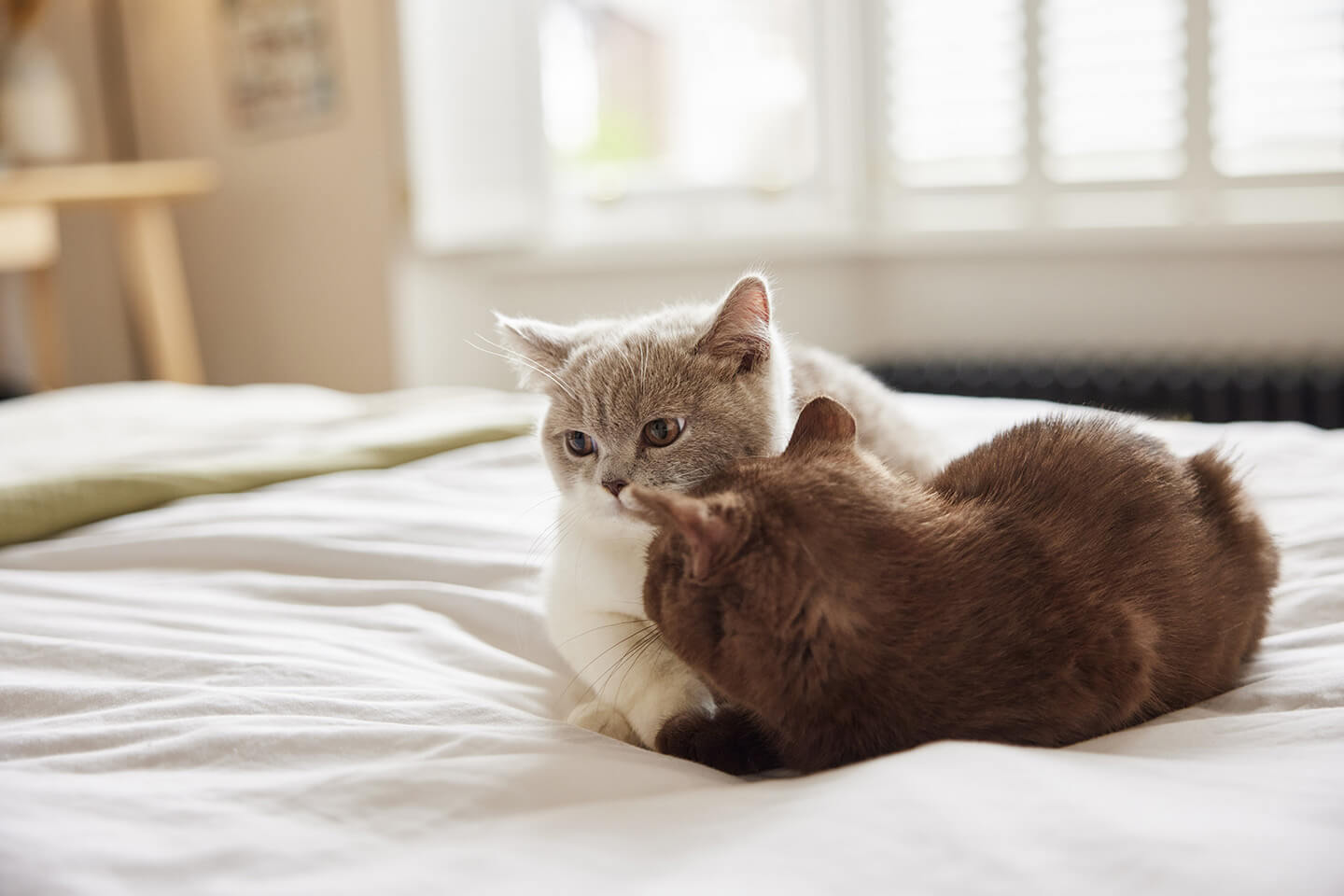
This habit is something kittens are exposed to from birth when their mothers lick them, to both clean them and show affection. You’ll likely see your new cat licking their fur to groom it – and they may occasionally lovingly try to do the same to you. Licking is a sign of affection and bonding and can be a way to ease anxiety.
Kneading is a rhythmic push and pull motion that cats make with their front paws. Using alternating paws, cats push into the surface like a baker kneading their dough, which is where the name comes from.
Cats knead in different ways, with some using claws, purring at the same time, or even dribbling while they knead.
There are several theories about why cats knead. It’s most believed that the habit of kneading starts in kittenhood when kittens rely on their mother’s milk for food. Kittens knead their mother’s stomach to increase the flow of milk, which explains why some cats dribble when they knead.
Another idea is that kneading is inherited from wild ancestors, who would paw at the ground to create a soft nest and check for animals hidden in the foliage. Cats have scent glands in their paws, which leads some to believe that kneading is a way for them to mark out their territory.
Many cats knead because they feel happy and content, and others may use this action to seek comfort and reduce stress.
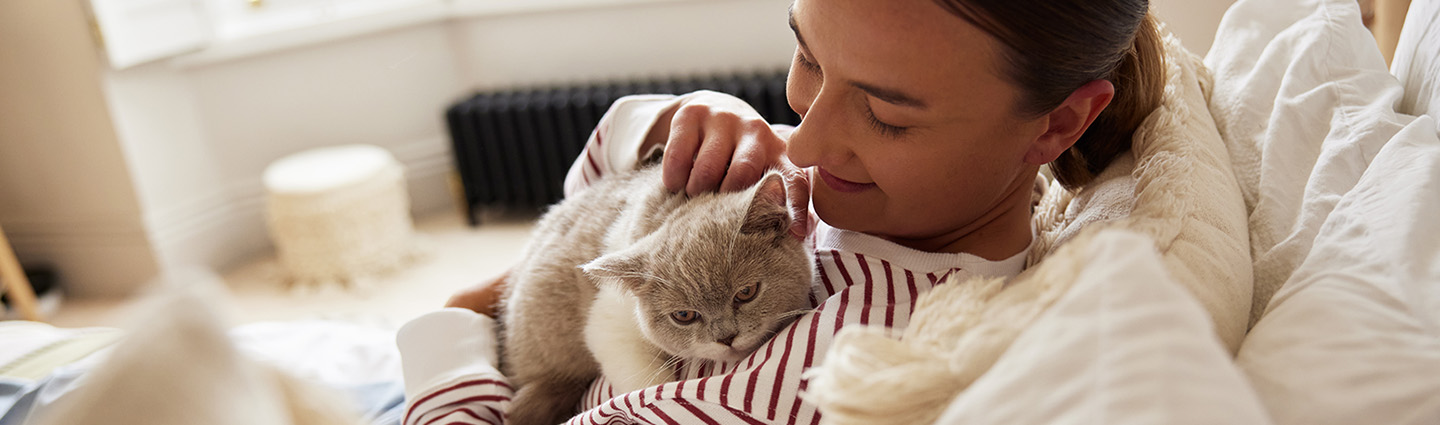
If your cat is kneading your stomach or lap, or a cushion in your house, it could be because they’re feeling secure and comfortable like a kitten with its mother.
While their kneading claws can be uncomfortable, your cat isn’t trying to hurt you when they display this behaviour. Nevertheless, it can be a good idea to lay a blanket between you and your cat when you’re sitting together if you know they’re a sharp kneader!
Never punish your cat for kneading. It’s an instinctive behaviour and a sign of affection, so stopping or punishing your pet wouldn’t be fair. Use the blanket technique, encourage your cat to relax by gently pushing their body down, or distract them with a toy as a fun way to stop their kneading if it’s bothering you.
When your new kitten decides to rub against you, this is their way of showing you affection and telling you they feel comfortable around you. They’ll also leave some of their personal scent behind to make you smell good to them. There are many areas on the cat's head that have a concentration of scent glands, so when they rub on you, they’re transferring pheromones in a friendly, social way.
Kittens may suck their blankets for various reasons. One of these reasons is if your kitten has been separated too early from their mother. Sucking on blankets and other fabrics are also a form of relaxation for your pet so they can feel safe and sound.
If you ever see your new kitten with their fur standing on end, it’s up to you to decide whether they need a little space or some gentle reassurance. A cat’s fur will fluff up if they’re scared, startled, or angry. Work out what’s wrong and act appropriately, every situation is different, and it’s important that you do what’s best for your pet.
Cats use their tails not only for balance and agility, but also as a way of communicating their mood. If you see your kitten slowly swishing its tail, it’s probably a sign that they’re a little annoyed and need to be given some space. Kittens will also twitch their tails when they’re excited, so it’s important to recognise the difference between the two movements.
Just like fully grown cats, kittens need to make use of their claws and keep them neat by scratching things. When they’re still young and learning, it’s the perfect time to introduce them to a scratching post so they don’t grow up thinking it’s okay to scratch furniture or humans.
Scratching also leaves a visual mark, as well as a scent, and is a common feline behaviour used to mark territory.
Kittens like to nibble on things as a way of exploring and learning about the world. It’s also a natural reaction to teething, which tends to begin when they’re about three months old. To keep it under control, you should make sure you give them other things to chew instead, like kitten teething toys.
Kittens will bite for many reasons, including if they’re scared, hurt, over-enthusiastically playing, or just trying to get your attention. If your kitten is biting you, it’s important that you never shout at them or bop their nose to get them to stop. Instead, replicate their mother’s response by yelping and pulling away from them, stopping the game. By doing this you teach your kitten that biting is not an acceptable behaviour.
Cats are natural predators, and it’s not unusual to see them stalking insects, bugs or even their toys. You’ll be able to tell exactly when your kitten is practising their technique if they begin chasing or pouncing on objects.
If they are stalking you, it may be that you have an item on your person that they find enticing. Considering finding out what it is and avoid it whilst they believe stalking you is appropriate.
It’s normally harmless fun but if they start acting aggressively or too boisterously, you should discourage them by distracting them with a toy.
Kittens chase their tails because it provides them with stimulation, and it also helps to develop their hunting skills. However, this can also happen if your kitten is feeling bored and has a lack of stimulation. If this is becoming a persistent problem, you can encourage your kitten to play with toys and increase interaction between you and your pet.
Kittens, like adult cats, display various behaviours to indicate their feelings toward their owners. Here are some signs that your kitten likes you:
- Purring - A kitten's purring is often associated with contentment. If your kitten purrs when you're around, it's a positive sign.
- Kneading - Kittens knead with their paws, a behaviour they develop from nursing. If your kitten kneads you, it's a sign of comfort and security.
- Head-Butting - Cats and kittens may head-butt or nuzzle against you. This is a friendly gesture and a sign of affection.
- Slow Blinking - Slow blinking is a cat's way of showing trust and affection. If your kitten looks at you and then blinks slowly, it's likely a sign of contentment.
- Following You Around - If your kitten follows you from room to room, it's a sign that they enjoy your company and want to be close to you.
- Playfulness - Kittens are naturally playful, and if they initiate play with you or brings you toys, it's a sign that they enjoy interacting with you.
- Presents: Some kittens may bring you "gifts" in the form of toys or even items they've found interesting. This is a behaviour that indicates trust and affection.
- Purring and Napping on You - If your kitten purrs while sitting on your lap or naps close to you, it's a sign that they feel safe and comfortable in your presence.
- Grooming - Mutual grooming is a sign of bonding. If your kitten licks you or allows you to groom them, it's a positive sign.
- Relaxed Body Language - A kitten that feels comfortable around you will have a relaxed body posture. They may lie on their back, exposing their belly, which is a vulnerable area that cats usually protect.
Remember that each kitten has its own personality, and the rate at which they show affection can vary. It's essential to respect their boundaries and allow them to initiate interactions. Building trust takes time, so be patient and consistent in providing positive experiences for your kitten.
In many cases, kittens can benefit from having a companion. There are several reasons why having two kittens might contribute to their overall well-being and happiness:
- Social Interaction - Kittens are social animals, and having a playmate allows them to engage in social interactions. They can play, chase, wrestle, and groom each other, providing mental stimulation and physical exercise.
- Companionship - Kittens, like adult cats, can experience loneliness. Having a feline companion can help alleviate feelings of isolation, especially when their human caregivers are away.
- Learning and Development - Kittens learn a lot from each other. They observe and mimic behaviours, which can aid in their social and behavioural development. Play interactions between kittens also help them refine their motor skills and coordination.
- Energy Outlet - Kittens are typically very energetic, and having a playmate can provide a natural outlet for their energy. This can be particularly beneficial in preventing boredom and destructive behaviours.
- Reduced Stress - Having a companion can help reduce stress and anxiety in kittens. They may feel more secure and comfortable with a familiar playmate, especially in new or unfamiliar environments.
While having two kittens can be advantageous, it's crucial to introduce them properly and monitor their interactions. Ensure that both kittens have enough space, resources (such as food bowls and litter boxes), and that their personalities are compatible. Some kittens may not get along well, so it's essential to observe their behaviour and intervene if necessary.
Got a puppy or kitten? Join our Puppy & Kitten Club and enjoy a range of benefits designed to give your new pet the best start. As a member, you’ll receive 10% off your first shop along with a free pack of selected food, plus access to exclusive offers on vets, pet insurance, and grooming services. You’ll also benefit from regular deals on food, treats, and accessories, as well as expert advice to support you every step of the way.