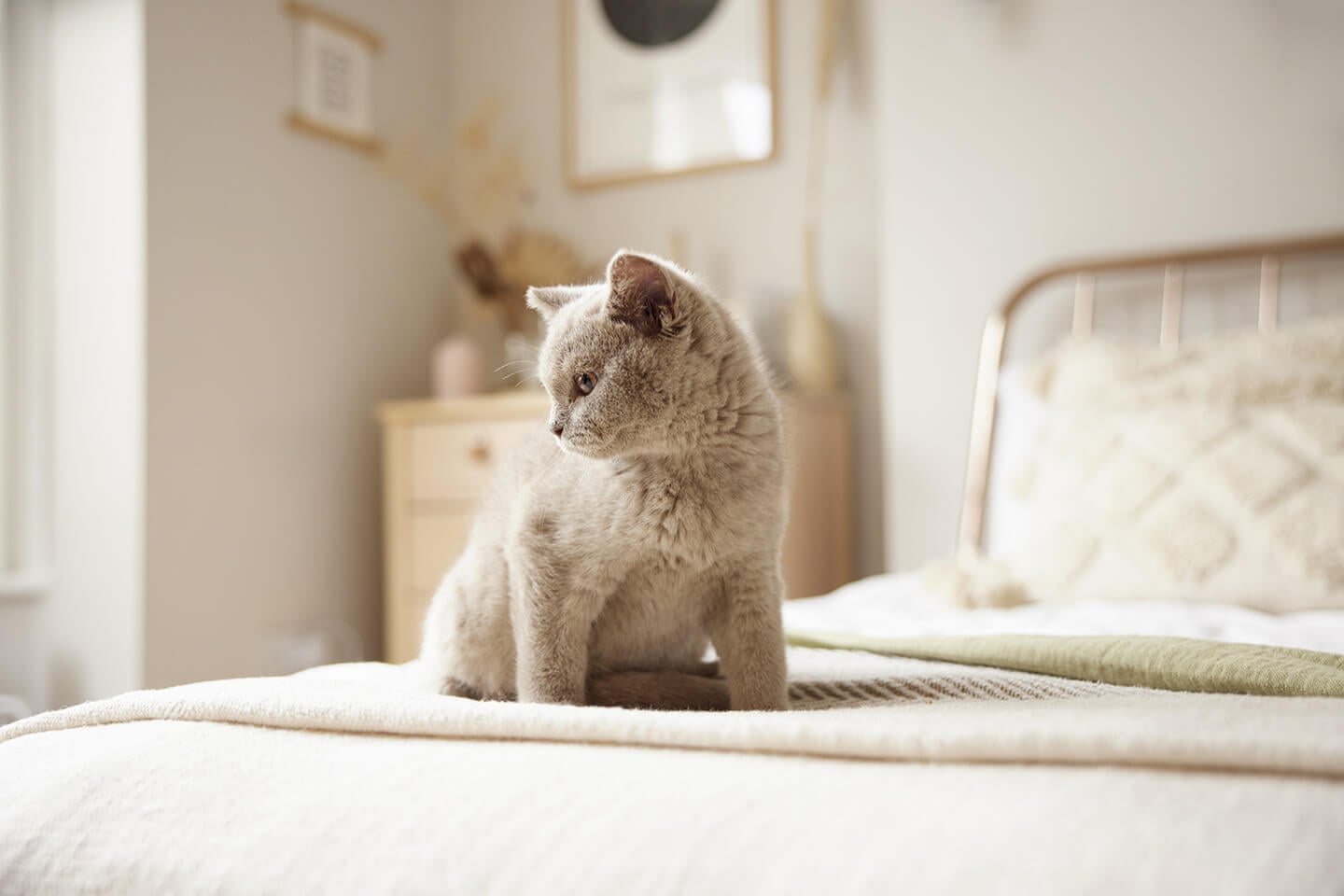
Kittens are naturally curious, making them more prone to injuries as they explore and learn their limits. While most mishaps are minor, it’s important to know the risks, recognise signs of injury, and respond appropriately.
This guide covers common injuries, prevention tips, and advice for caring for an injured kitten, helping you keep your furry friend safe as they grow.
Just like a human baby, kittens have softer bones than adults as they’re still developing. They’re much more likely to become damaged in a tumble or by being handled roughly, so you’ll need to take extra care to keep them out of harm’s way.
As they’re still learning, your feline friend may not know their limits when they’re jumping about. They’re also more susceptible to getting themselves into dangerous situations by accident. Kittens are very curious and often put themselves in dangerous situations when exploring. For example, wandering into a road when they start going outside, or getting too close to other animals that may be hostile.
It’s impossible to keep an eye on your kitten 24/7 so it’s crucial that you know how to recognise the signs of an injury. While your kitten may be very vocal if they break a bone, they may not use their voice to signal pain in some instances. Because of this, it can be easy to miss kitten injuries.
Kittens that have sore limbs will often limp and may avoid walking on them. You might also see some swelling or find that your kitten is excessively licking a particular area. Injuries to eyes can look like squinting or excessive blinking. Sometimes pain may only show as a change of personality, so keep an eye out for your kitten behaving more grumpily than usual or hiding away. Changes to appetite can also be an early warning off illness or injury.
If you are concerned that your kitten may be injured or unwell, please contact your vet for advice.

- Soft tissue injuries - sprains, strains and pulled muscles, are by far the most common with younger cats. Most will usually heal with time and plenty of rest, although you should always take your kitten to see the vet as they may benefit from pain relief. Some injuries like breaks or fractures can be very painful and may cause lifelong damage if they’re not treated correctly
- Broken tail – a kitten’s tail is an extension of the spine. These bones can be broken. The most common reasons for a broken tail are being bitten by another animal or getting their tail trapped. Tail injuries can be serious, so we always recommend a vet visit if your suspect one
- Broken leg - your kitten can break a leg if they land at awkward angles or fight with other pets. Common signs that your pet has a broken leg are limping and swelling. If you suspect your kitten has broken a leg, contact your vet immediately for advice
- Concussion - kitten head injuries are fairly common. This is due to their constant climbing and exploring. Aggressive fighting with other cats or animals can also lead to brain injuries. Common signs to look for include vomiting, trouble walking, seizures and loss consciousness. Contact your vet immediately if your cat/kitten has a head injury
The best way to avoid your new cat from getting hurt is to carefully watch them, and to take steps to ‘kitten-proof’ your home.
Make sure they’re not leaping from great heights and try to restrict any jumping to less than three feet until their bones are stronger. Judging the distance of a jump wrongly could lead them to land awkwardly, which can cause damage.
Make sure to safely seal off any small areas your kitten could wriggle into and get injured, such as behind cupboards and appliances, and keep doors and windows securely closed until your kitten is ready to go outside.
When they are older, trauma such as being hit by a car, or falling from a height, or fights with other animals, can cause many injuries at once and can be life threatening. In these cases, we recommend seeking immediate medical assistance. If you are unsure if you should bring your kitten to the vet or call your local practice for advice.
Kittens can heal from small skin wounds and minor injuries well on their own, but it is a good idea to get these checked by a vet first.
If you think your kitten is injured or in pain, call your vet for advice and to book an appointment.
If your kitten has had a bump but is uninjured, they will likely spring back on their feet quickly and be back to playing in no time. Keep an eye out for any abnormalities in the form of swellings, general sadness or lethargy, or changes in their eating, drinking, and bathroom routines. To comfort your kitten after a small bump, speaking to them softly and petting them on an uninjured area of the body can help.
Got a puppy or kitten? Join our Puppy & Kitten Club and enjoy a range of benefits designed to give your new pet the best start. As a member, you’ll receive 10% off your first shop along with a free pack of selected food, plus access to exclusive offers on vets, pet insurance, and grooming services. You’ll also benefit from regular deals on food, treats, and accessories, as well as expert advice to support you every step of the way.