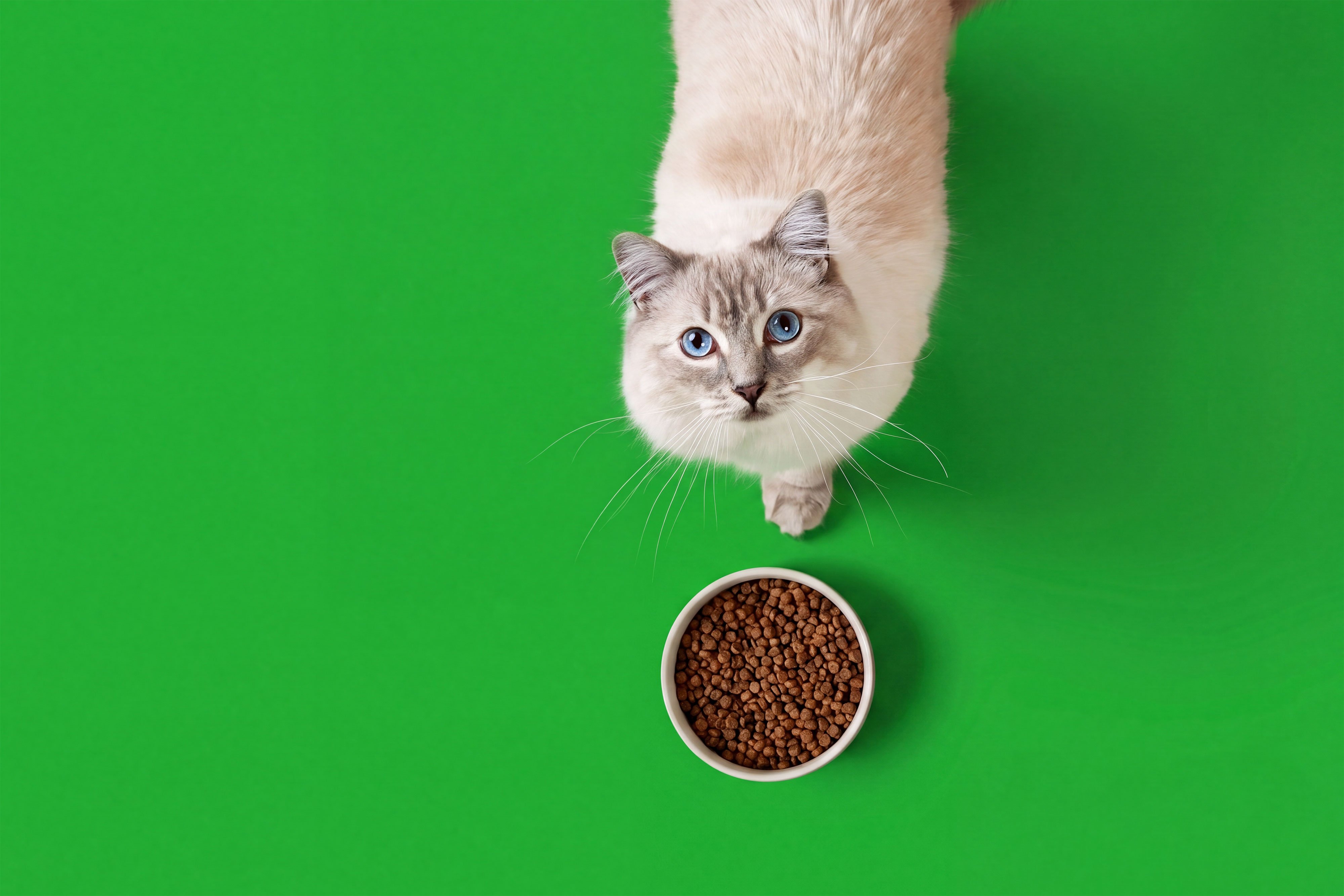
Bringing a new kitten home is exciting, but it also comes with a few important decisions - especially around food.
The good news is that kitty cuisine doesn't need to be complicated. With the right nutrition and setup, you can help your new cat land on their feet.
When your kitten first comes home, they’ll usually already be eating a specific food from the breeder or rescue centre. It’s best to keep them on that food initially, rather than changing everything at once.
A new home and routines can be a lot for a small kitten to take in. So, keeping their food familiar helps reduce the chance of tummy troubles.
When you’re ready to move them onto a different food, transition them gradually by mixing the new food with the old one over time.
Kittens grow incredibly quickly, so they need food that’s specially formulated for them.
A good kitten food is more calorie- and nutrient-dense than adult cat food, helping to support rapid growth. It should provide the essential energy, protein, vitamins and minerals your kitten needs to thrive. It should also be a complete kitten food. That means tailored nutrition, and it’s often smaller and softer for their little mouths.
When choosing a longer-term diet, think about:
- Size and breed
- Your lifestyle
- Budget
Because kittens have tiny stomachs, they need small, frequent meals rather than bigger ones.
From around eight weeks old, most kittens will need three to five meals a day.
To work out how much to feed, start with the guide on the food packaging and weigh out the portions. Split the total daily allowance evenly across the day’s meals, rather than guessing by eye.
Treats should stay low, especially while your kitten is growing. If you want, you can use part of their daily kibble ration as treats. That way, there are no double dinners.
It’s important to keep track of weight with regular weighing. You’re aiming for steady growth, not excess weight gain.
A healthy kitten should have ribs that are easy to feel but not sharp, and a slight waist visible from above. Soft and sleek is the goal - not spherical!
If your kitten seems hungry between meals as they get bigger, it may be a sign they’re ready for a little more food.
Kittens usually eat best in a quiet, calm space where they can relax and focus on their food. Try to keep feeding areas away from other pets, the litter tray and even the water bowl.
Cats dislike having their whiskers brushing the sides while they eat, so a wide, shallow bowl can make mealtimes much more comfortable.
Fresh water should always be available, and food bowls should be cleaned regularly.
And skip the saucer of cow’s milk, because kittens can’t digest it properly. If you do want to offer milk, it should be one that’s specially formulated for cats.
Kittens are usually quite good at telling you when they want food.
Hungry kittens may cry or meow, lick their lips, stare at their bowl, or follow you around the house. Over time, you’ll start to recognise your own kitten’s patterns and routines.
But if your kitten always seems ravenous, it’s worth checking whether their portions still match their age and growth rate.
At around 12 months old, most kittens are ready to transition to an adult diet.
By then, they will often have shown you whether they prefer wet food, dry food or a mix of both. Choosing an equivalent adult food in the style they enjoy can make the switch easier.
Transition slowly over several days to avoid tummy troubles.
Kitty cuisine doesn’t have to be complicated. Start with the food they know, choose a complete diet, feed small meals regularly, and keep track of growth as they go.
Get it right from the start, and you’ll be supporting healthy development all the way from itty bitty kitty to fully-grown feline.