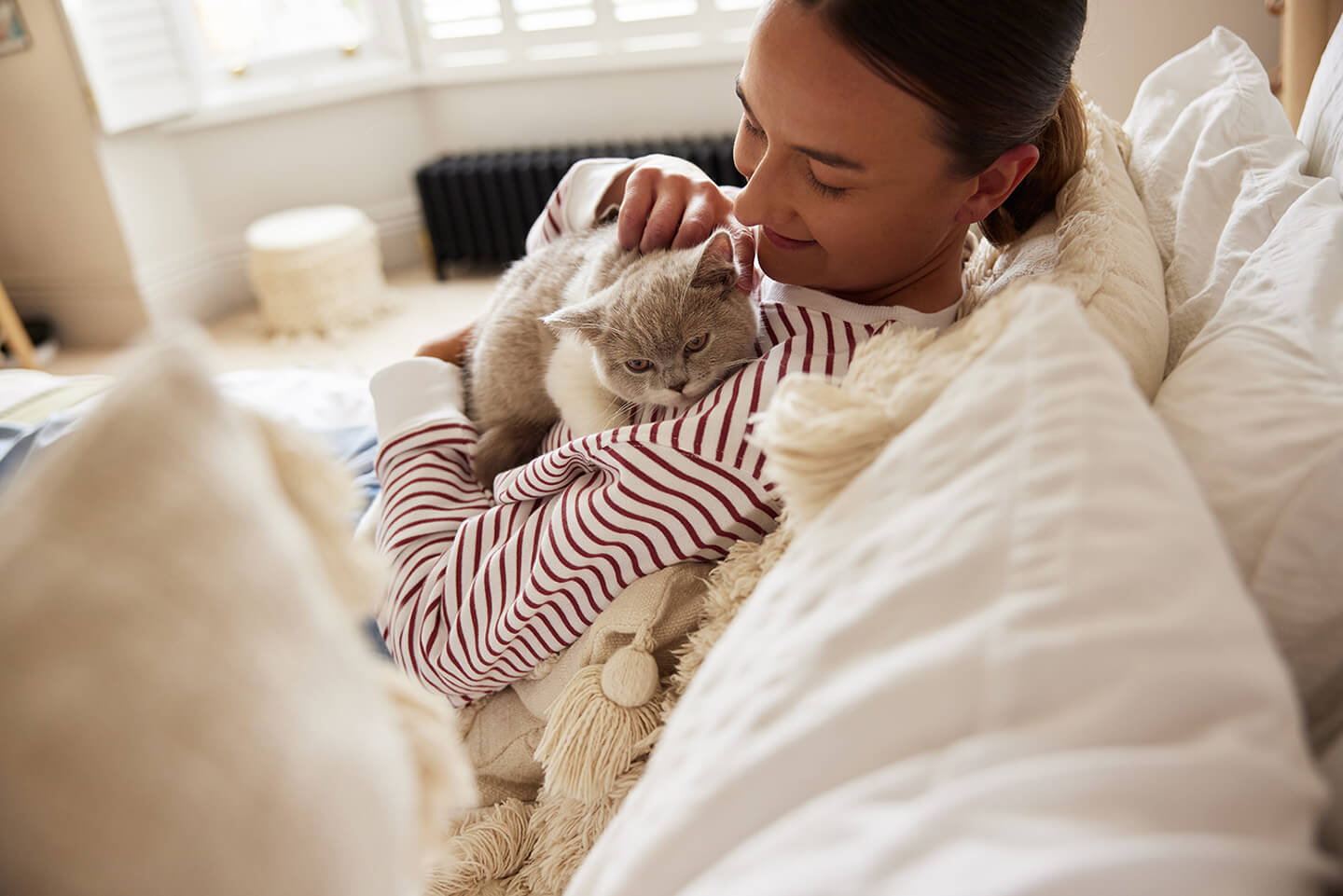
Training your kitten is an essential part of helping them adjust to their new home and ensuring their safety and wellbeing. From litter training to interactive play and even collar training, a little patience and positive reinforcement can go a long way in shaping good behaviour and building a strong bond with your feline friend.
This guide covers everything you need to know about training your cat or kitten, including house training, enriching their indoor environment, and preparing them for outdoor adventures. Let’s explore how to create a happy, well-trained companion!
Yes, kittens can be house trained, and it is a normal and important part of their development. House training, also known as litter box training, involves teaching a kitten where it's appropriate to go to the toilet.
Remember that kittens are learning, and accidents are a normal part of the training process. It's important to be patient, consistent, and provide positive reinforcement when they use the litter box correctly. If you encounter persistent issues or if there are sudden changes in litter box habits, it's advisable to consult with a veterinarian to rule out any potential medical issues.
Good preparation is the key to success with litter training. Ensure you have everything prepared before you bring home your kitten. Often many kittens will have learnt to use a litter tray from their mother and littermates. Some may need some additional training.
- Choose your litter box carefully. You may need a smaller less intimidating litter box for a kitten that requires upgrading as they grow. Full size litter boxes can be scary for small kittens to begin with. If you have other adult cats you may need to choose a full-sized litter box so that they can use it too. Decide if you prefer a covered or uncovered litter box. Cats naturally choose areas of privacy to toilet. A covered litter box may provide better privacy than an open one. However, if the box is situated in a quiet and secluded area a cover may not be required. Cats do not wish to be trapped in the litter box by a predator (this could be another cat or human companion). Anxious cats and kittens may prefer an open tray in a quiet area to a covered one for security.
- Ensure you have enough litter boxes. It is recommended that you have at least 1 litter box per cat plus 1 extra within the house as a minimum. This ensures that all cats always have access.
- Place your litter box (s) with care. These should not be hide away as you kitten needs to be able to find them quickly when they are needed. Make sure they are also not difficult to access quickly. Young kittens generally benefit from the litter being in the same room as them to begin with. Don't be tempted to place litter boxes together. This will cause your cat(s) to view them as one big litter tray not separate toileting areas.
- Select the correct litter. Cats have been shown to prefer fine grained litter. This is likely as it is softer for them to stand on and dig in (to cover their faeces). Clumping and non-clumping types seem to be down to cat preference. Cats can be very picky with the type of litter they will use. If you have issues with toilet training, then experimenting with different litter types can be a good idea. As your breeder or rescue centre what litter the kitten has been used to
Once your litter tray is prepared you ca introduce your kitten too it and begin litter training.
Show your kitten the litter boxes and let them have a sniff if they wish. Gently place them on the litter so they can get a feel for it on their paws.
Place your kitten into the litter box after they eat, drink or wake from a nap, as this is when they are likely to need to use it.
Praise and reward your kitten after they use the litter box. Give them a small treat immediately after they use the litter to positively reinforce the behaviour.
If you kitten toilets outside the litter box DO NOT punish them. Calmly clean up the mess and continue with the training. It can take time for the accidents to stop. Make sure the litter box is clean. Cats do not like to toilet in a litter box that has already been soiled.

The time it takes to house train a kitten can vary widely based on the individual kitten's personality, age, and previous experiences. Some kittens may quickly grasp the concept of using a litter box and may already be trained by the time they arrive to you, while others may take more time to learn.
In general, many kittens can become reliably litter trained by the time they are 8 to 12 weeks old. However, it's not uncommon for some kittens to continue refining their litter box habits for a few weeks after that.
If you are having difficulty with litter training or if you notice sudden changes in a previously trained kitten's behaviour, it's advisable to consult with a veterinarian. Medical issues, stress, or changes in the environment can sometimes affect a cat's litter box habits, and ruling out any underlying problems is important for their health and well-being.
The first thing to do is carefully evaluate your litter box set up:
- Is access easy?
- Are they in quiet spots to allow privacy?
- Are they clean?
- Are they hidden or being guarded by other cats?
Next consider changing the type of litter used. Cats can be particular, and your cat may not like the litter you have chosen.
If your cat is still not toileting appropriately discuss this with your vet to rule out any health conditions.
Kittens are known for exploring, finding secret places and getting into all sorts of mischief. Making sure that your house is kitten-proofed will make your time with them more enjoyable and less of a worry.
- Always ensure that you keep washing machines, tumble dryers and cupboards closed so your kitten doesn’t accidentally wander in and get trapped.
- Close toilet lids so they also don’t try and drink from there. This can be a hazard if you have had bleach in it.
- Ensure you safely fence areas of balconies and windows, so your kitten doesn’t fall through.
- Houseplants are important to watch out for as some plants are extremely toxic to cats. Some that are particularly toxic are; lilies, foxgloves and tulips (amongst others). Do not have any of these plant species in your home as even having them brush by the flowers could transfer pollen that they could ingest when licking their fur.
- Take care with household chemicals. Household cleaning products can get onto your kitten's fur and paws and be licked off and ingested. Ensure you keep all cleaning products and other items such as rat poison, anti-freeze, decorating chemicals, flea treatment for dogs, slug pellets and human medication, away from contact with your kitten.
- Take care with food storage. Some human foods like onions, raisins and chocolate are toxic to your kitten. Keep them safely away from them.
If you think your kitten might have ingested or been in contact with a poisonous substance, take them to seek veterinary advice immediately. Even if they do appear fine and well, it is always recommended for them to see a vet right away just to be sure.
Remember that the first night can be stressful for a kitten as they adjust to a new environment, away from their familiar surroundings and family. Offering a calm and secure space helps them acclimate more easily. Be patient and gentle, allowing the kitten to explore and approach you on their terms.
The ideal sleeping arrangement for kittens at night depends on various factors, including their age and your preferences. Remember that every kitten is unique, and their preferences can vary. Some prefer an open bed or cushion and other prefer more enclosed sleep area such as an igloo bed or under a human bed. Pay attention to your kitten's behaviour and adjust the sleeping arrangements accordingly. They should be allowed to choose their sleeping area and will usually decide on somewhere they perceive as safe and comfortable. This area needs to be somewhere you are happy is safe and secure for them.
Be patient during the adjustment period and provide positive reinforcement for good behaviour. If you have other pets, consider their dynamics. Some kittens may feel more comfortable if they can sleep separately from other animals until they build positive relationships.
The decision of how long to keep a kitten indoors depends on various factors, including the kitten's age, health, environment, and your personal preferences.
Here are some general guidelines:
- Age and Development - Young kittens, especially those under 4-5 months old, are generally more vulnerable and may not have the skills to navigate outdoor dangers.
- Vaccinations - Kittens should receive a series of vaccinations to protect them against common feline diseases, and this process usually takes several months. Consult with your vet to determine the appropriate vaccination schedule for your kitten.
- Spaying/Neutering - It's advisable to spay or neuter your kitten before allowing them outdoors to prevent unwanted pregnancies and reduce the likelihood of certain health and behaviour issues.
- Safety Concerns - The outdoors can pose various risks to kittens, including traffic, predators, toxins, and infectious diseases. Indoor living helps protect them from these dangers.
Many experts recommend keeping kittens indoors until they are at least 6 months old, have completed their vaccinations, and are spayed or neutered. After this period, some cat owners choose to allow their cats outdoor access, while others prefer to keep them exclusively indoors.
Your kitten will naturally want to go out and explore the big wide world and define their own little territory. Check out these useful tips on introducing your kitten to the outdoors to help ensure they come back safely.
The timescale can be different for each kitten, and a lot of the timescales depend on your cat’s personality. Whilst some kittens are confident and happy to push themselves, others might be frightened of the thought of the outside world. Don’t push your kitten; just let them go at their own pace.
You should always wait until your kitten has been neutered and they’ve had all their injections. This will ensure they don’t pick up an infection or lose their way home by going wandering. This would usually be when they get to around 6 months of age.
You should always make sure your kitten is microchipped before letting them go outside.
Train your kitten to recognise their name. Do this by calling their name when you feed them or give them a treat. Get them to respond to their name with positive reinforcement. When they recognise and respond to their name being called it makes it more likely they will come when you call them. This is ideal when they finally go outdoors.
There are also some important items to consider; how safe is your garden or your neighbour’s gardens? Do you live near a busy road? Do any of your nearby neighbours have a dog? Do any of your neighbours use poison pellets for slugs or rats or have any poisonous plants? Make sure you consider all of these things before letting your little kitten roam free in the outside world. If it isn’t safe enough for them, take precautions to ensure it is safe or have another think about whether to keep your kitten as an indoor cat instead.
Choose a calm time to let your kitten explore outside for the first time. Leaving the door open for a short while before you have fed to encourage explorations in their own time. Stay close by and, after a few minutes, bring them back indoors and reward them with their meal. Repeating this over a few days will help build confidence. Gradually increase the time outside. Always give a positive reinforcement for coming inside by offering a treat, meal or play.
Allowing kittens outside at night poses several risks, and it's generally not recommended, especially for very young or unsupervised kittens. There are various dangers and concerns associated with outdoor environments during the nighttime. The dark can be disorienting, and it is often colder at night. Kittens may not be able to navigate as and easily safely after dark.
If you want to allow your kitten outdoor access, it's generally safer to do so during daylight hours and under supervised conditions. Consider creating a secure outdoor enclosure (catio) or using a leash and harness for controlled exploration. Gradually introducing outdoor experiences and supervising their interactions with the environment can help kittens develop a better understanding of potential dangers. If you decide to let your cat outdoors, it's recommended to spay or neuter them and vaccinate them first.
If your kitten accidentally gets outside, it can be a stressful situation, but it's important to remain calm and take steps to safely retrieve them.
Here are some guidelines on what to do if your kitten gets outside:
- Stay Calm - Try to remain calm, as panicking can make it harder to think clearly and take effective action.
- Search the Immediate Area - Start by searching the immediate vicinity of your home. Kittens may hide in nearby bushes, under decks, or in other hiding spots close to home.
- Call the Kitten - Use a calm and gentle voice to call your kitten. Shake their treat bag or use their favourite toys to attract their attention.
- Check Common Hiding Places - Look in common hiding places, such as under porches, in sheds, or in nearby bushes. Kittens may be scared and hide in quiet spots.
- Enlist Help - Ask family members, neighbours, or friends to help with the search. More people searching can cover a larger area and increase the chances of finding the kitten.
- Use a Familiar Scent - Leave out an item with a familiar scent, such as a piece of their bedding or a used litter box, near your home. The scent may help guide the kitten back.
- Use Food to Lure Them - If your kitten responds well to treats or food, try placing a small amount of their favourite food near your home to attract them.
Remember that kittens can be curious but may also be frightened when outside, so approach them calmly and avoid making sudden movements. If you're unable to locate your kitten, continue reaching out to local vets and rescue centres for assistance. The sooner you take action, the higher the chances of bringing your kitten safely back home.
Kittens are very clean creatures, and they like to eat and go to the toilet in very different places. Ensure you place your indoor kittens litter tray away from their food bowls and give them a separate place to rest and hide as well. Kittens like to have their water bowls away from their feeding bowls as well, so ensure you take this into consideration when setting up their environment.
Kittens like to be in high up places as well as safe places so providing them with safe access to different levels within their home is really important. You can get this with kitten scratchers and play centres and even giving them access to secured window ledges where they can observe the outside world from a safe high up place.
Scratching is an important natural behaviour for your indoor kitten. Outdoor kittens will usually maintain their claws on the different surfaces they get access to, so it is particularly important to ensure you have enough scratch posts inside your home to keep them happy. This also helps them stretch when they wake up and very importantly, will prevent them from scratching your furniture.
It's a natural behaviour for a kitten to hunt, and whilst they are indoors, they won’t have access to the usual things that they might chase such as leaves or long grass. It is essential that you give your kitten the opportunity to exhibit this natural behaviour as it will release natural happy endorphins.
It is essential for you to give your kitten plenty of toys to chase as well as activities to keep them occupied. If you are out of the house for a lot of the day, you might also want to get another kitten to ensure they don’t get lonely.
Ensuring you keep your kitten stimulated helps them not to become frustrated and exhibit behavioural issues such as spraying, scratching furniture, aggression, over-grooming and fur-loss, depression and soiling in the house.
Consider how to play with your kitten. Toys, towers, scratch posts and activity centres are great for indoor kittens to ensure they have enough things to keep them amused. Ensure you spend time playing with your kitten on a daily basis to give them company and help mimic the natural behaviour they would be doing outdoors. Teaser toys are great for encouraging this behaviour in your kitten. Make sure you change their toys regularly as well to keep them interested and help them feel that they’re experiencing something new each time.
It's common for indoors kittens to become obese due to them not getting enough exercise and overeating. Ensure you encourage your indoor kitten to exercise by playing with them daily and monitor the amount of food you’re giving them to maintain a healthy weight. You can go into a Pets at Home store and chat to a colleague about recommended daily feeding for your indoor kitten.
Whether or not to leave a collar on your kitten at night depends on various factors, including your comfort level, the type of collar used, and your kitten's behaviour. Cats must legally be microchipped but wearing a collar is owner preference and not a legal requirement. For this reason, it is perfectly acceptable to remove it at night if you wish to. Some cats will never wear a collar at all. Remember if you do remove their collar, they may escape the home without it. This may not be a problem but if you would rather they wore it at all times, that is also acceptable. Always choose a collar with a safety release mechanism.
Many kittens can get used to wearing a collar with a bell, especially if it's introduced gradually and positively. However, each cat is an individual, and their comfort with wearing a collar and tolerating a bell can vary. Remember that not all cats enjoy wearing collars, and some may never fully tolerate them. Bells can be irritating as your cat has a highly sensitive sense of hearing.
If your kitten hates wearing a collar, it's important to address the issue with patience and positive reinforcement. It's crucial to approach collar training with patience and understanding. Some cats may never fully accept wearing a collar, and it's essential to respect their comfort level.
All cats must now legally be microchipped so collars are no longer a necessity for identification but can still carry important notes for safety reasons (such as medication alerts). Explore different collar types and materials to find one that your kitten finds more tolerable. Always prioritise your kitten's well-being and comfort during the training process. It is recommended to get a quick release collar, in case it gets caught on anything- especially if you allow you kitten outdoors.
Got a puppy or kitten? Join our Puppy & Kitten Club and enjoy a range of benefits designed to give your new pet the best start. As a member, you’ll receive 10% off your first shop along with a free pack of selected food, plus access to exclusive offers on vets, pet insurance, and grooming services. You’ll also benefit from regular deals on food, treats, and accessories, as well as expert advice to support you every step of the way.