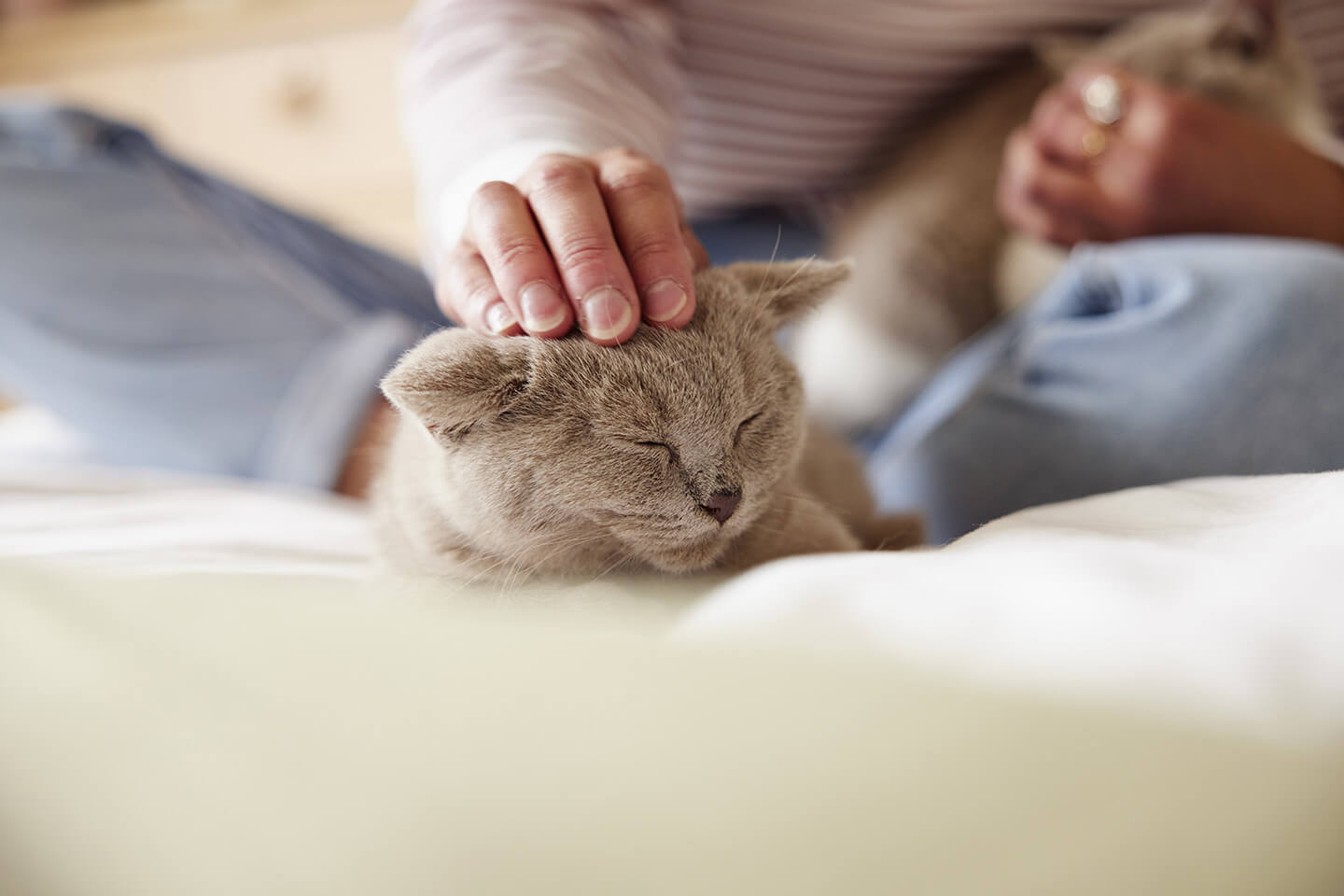
A handy checklist you can use to assess if a kitten is the right one for you and your home. This can help you to avoid problems later in their life.
- When was the kitten was born? Kittens must not be rehomed until they are at least 8 weeks old.
- Is the kitten a specific breed? Pedigree cats have more standardised and predictable characteristics. They can also have inheritable defects or health issues that you need to be aware of. cross breed cats may still have the issues in their purebred lines (ancestors) but they are less likely to occur.
- If you are purchasing a pedigree kitten are there any health issues that the parents have or that the breeder knows are common to the breed? This can help you prepare for any future issues that may arise.
- Is the kitten likely to be long or short haired? Long haired cats require more grooming especially as they age. It is important to match your kitten with your family's ability to care for it.
- Where was the kitten born and how has it been housed so far? Kittens should remain with their mother until they are at least 8 weeks old. They learn lots from the mother cat during this time and will be weaned to solid foods by approximately 7-8 weeks. If the kitten is to live in a family home, it is preferential for them to have been raised in a home environment to avoid anxiety issues later. Kittens are most sensitive to learning between 2 and 9 weeks so need to learn about their environment during this time.
- Will you be able to see the kitten with its mother? This helps to avoid buying a kitten that has been “farmed” or imported illegally. Both can result in serious health problems.
- Has the kitten been totally or partially hand reared? Kittens learn best from their mothers. Hand reared kittens miss some normal cat to cat social interactions, and this can affect how they behave. Hand reared kittens often have more challenging behavioural traits.
- Is the kitten eating solid food? Weaning is usually complete by 7-8 weeks but should be fully completed and the kitten should be confident eating solid food before you take them home.
- Is the kitten healthy? If the kitten has already experienced health problems this can be useful information to have. Some issues may have longer term implications for the kitten. It is important to get records of any veterinary treatment the kitten has received. These issues may not be covered by pet insurance policies.
- Has the kitten had positive interactions with other species such as dogs or children? It you have children or other pets this can ensure the kitten is more confident around them and may be a better fit in your home environment.
- Is the mother cat healthy? An unhealthy mother may be unable to care for her kittens correctly. They can also potentially pass on health issues to the litter.
- Has the mother cat been vaccinated and treated for fleas and worms? These are preventative measures that aim to ensure optimal health before breeding and after birth.
- Does the mother cat interact confidently and positively with you and her kittens? A confident mother is more likely to raise confident kittens. A mother that does not interact with her kittens should be viewed with extreme caution. Are they really her kittens?
- Has the kitten been raised with its brothers and sisters? A kitten that interacts with its siblings learns appropriate cat behaviour.
- Is the kitten friendly? A nervous kitten may be more difficult to care for and have additional needs.
- Does the kitten interact positively with people and its surroundings? Short frequent interactions with a variety of people and interactions will produce a more confident kitten. A home is a complex environment and ideally your kitten needs to become confident and calm within its environment.
- Is the environment clean, tidy and safe? A clean, tidy and safe environment reduces the risk of harm or disease to the kittens. It also shows the breeder can properly maintain the environment and the health and welfare of the litter.
- Are there other litters of puppies or kittens in the home? Large numbers of animals increase the risk of disease spread. Multiple litters may also be a sign of unethical breeding practices. Stress will be increased among the mothers.
- Has the kitten been treated for fleas and worms? If the kitten has been treated write down the dates and products as it is important for your vet to know this information. If they have not is there a plan to? All kittens should be treated for fleas and worms before they leave their mother.
- Has the kitten been microchipped? As of June 2024 it will be a legal requirement for all cats. Kittens must be microchipped and registered on a DEFRA compliant database before they are 20 weeks old. If the breeder has not already microchipped the kittens it will be your responsibility to ensure this is done.
- Has the kitten been neutered? Some breeders and rehoming centres neuter kittens before they are rehomed. If this has not been done it is recommended at around 5-6 months old.
- Is the kitten insured? If the kitten is not already insured, your veterinary team can help advise you on what to look for in a suitable insurance policy.
- What food is the kitten eating? It is important to know what the kitten is eating and when, so that you can mimic this in your home. Moving is a stressful time and maintaining feeding routines can be an essential step to helping your new kitten to settle more easily into their new environment.
- What type of litter is being used? Cats can be very fussy, and it is recommended to use the same litter in your home to allow the kitten to settle in more easily. This can be gradually changed after a few weeks if you wish.
- Kitten scratching post - Cats naturally have an urge to scratch things. To avoid them destroying your furniture, invest in a scratching post designed especially for softer kitten claws that you can train them to use when they need to.
- Kitten/Cat Carrier - From vet trips to moving homes, it’s crucial that you pop your new cat in a carrier when you’re taking them places to keep them safe and contained. You can put a comfortable blanket at the bottom of the box for warmth and something to grip onto. Cat carrier bags with aquarium windows are not recommended due to their small space and the cat's constant exposure to the outside world through the bulged window.
- Kitten bed - All kittens need somewhere cosy to sleep that’s completely their own. Pets at Home sell plenty of different types of bed designed to make your cat feel safe and comfortable in their new home.
- Kitten food - young kittens will need to have different food to fully grown adult cats. They are still growing so will need different levels of nutrients and calories to help promote healthy development.
- Kitten food and water bowls - These are essential for providing your kitten with their daily meals and water. Choose a bowl that allows your kitten to put their face in without touching their whiskers to the rim. Shallow bowls may be easier for kittens to use. Bowls that are easy to clean are important to reduce the spread of bacteria.
- Kitten heat pad - Your kitten may get cold when they’re still small, especially at night. Purchasing a special cat heat pad for cats will help to keep their bed warm when they’re sleeping and relaxing. These should always be covered to prevent burns.
- Kitten treats - All kittens like the occasional treat and they can also be great tools for training and encouraging good behaviour.
- Adjustable collars - Collars can help others identify your cat if they ever run off. Kittens are constantly growing, so you should get an adjustable collar that you can alter as they do. Ensure the collar has a snap or quick release function in case your kitten gets it stuck somewhere.
- Harness for kittens - If you need to take your new kitty out and about, a harness lets you keep them safe and secure. They’re great if you want to introduce your cat to a new environment such as your garden without risk of them running off or hiding.
- Kitten ID tags - ID tags attach to your kitten’s collar and can be engraved with both their name and your contact details. As well as looking smart, they also help people get in touch with you if your kitten ever gets lost or runs away. These are not a substitute for a microchipping (which is legally required) but can be a nice additional tool.
- Kitten grooming brush - kittens have soft, fluffy fur that needs to be gently brushed to keep it from becoming tangled or matted. You should aim to use a brush with fine bristles that will gently smooth their coats while also giving them a calming massage.
- Kitten shampoo - While cats do have a reputation for self-cleaning, you may need to help your kitten out by occasionally bathing them if they soil themselves. Use a gentle shampoo that’s specially formulated for their soft and sensitive skin and fur.
- Kitten toys - Toys are not only great at keeping your new kitten comforted and entertained but they also help with their mental stimulation and growth. There are so many different toys to choose from for young cats including teasers, activity toys and soft vibrating toys for them to chase around.
- Flea and worm treatment for kittens - To keep your kitten healthy and free from nasties like fleas, ticks and worms, you’ll need to give them regular treatments. These usually come in tablet, spray or liquid form that they’ll either digest or have applied directly to their skin. Consult your vet to find the most suitable type for your kitten.
- Catnip spray - Your feline friend will love the smell of catnip and having a spray bottle of it is ideal for you to use on their toys to encourage them to play.
- Calming diffusers for cats - Feline diffusers are designed to recreate the scent of a certain pheromone given off by female cats to help them calm their babies. It’s completely odourless to humans and other animals, and should be put inside an electronic diffuser to help make your new kitten feel more at home.
You might need to clean up after your new kitten, from wiping down their litter trays to cleaning the floor around their food bowl or after an accident. To do this, you should use a kitten-friendly disinfectant cleaning spray that’s harmless in case they try to ingest it.
Got a puppy or kitten? Join our Puppy & Kitten Club and enjoy a range of benefits designed to give your new pet the best start. As a member, you’ll receive 10% off your first shop along with a free pack of selected food, plus access to exclusive offers on vets, pet insurance, and grooming services. You’ll also benefit from regular deals on food, treats, and accessories, as well as expert advice to support you every step of the way.