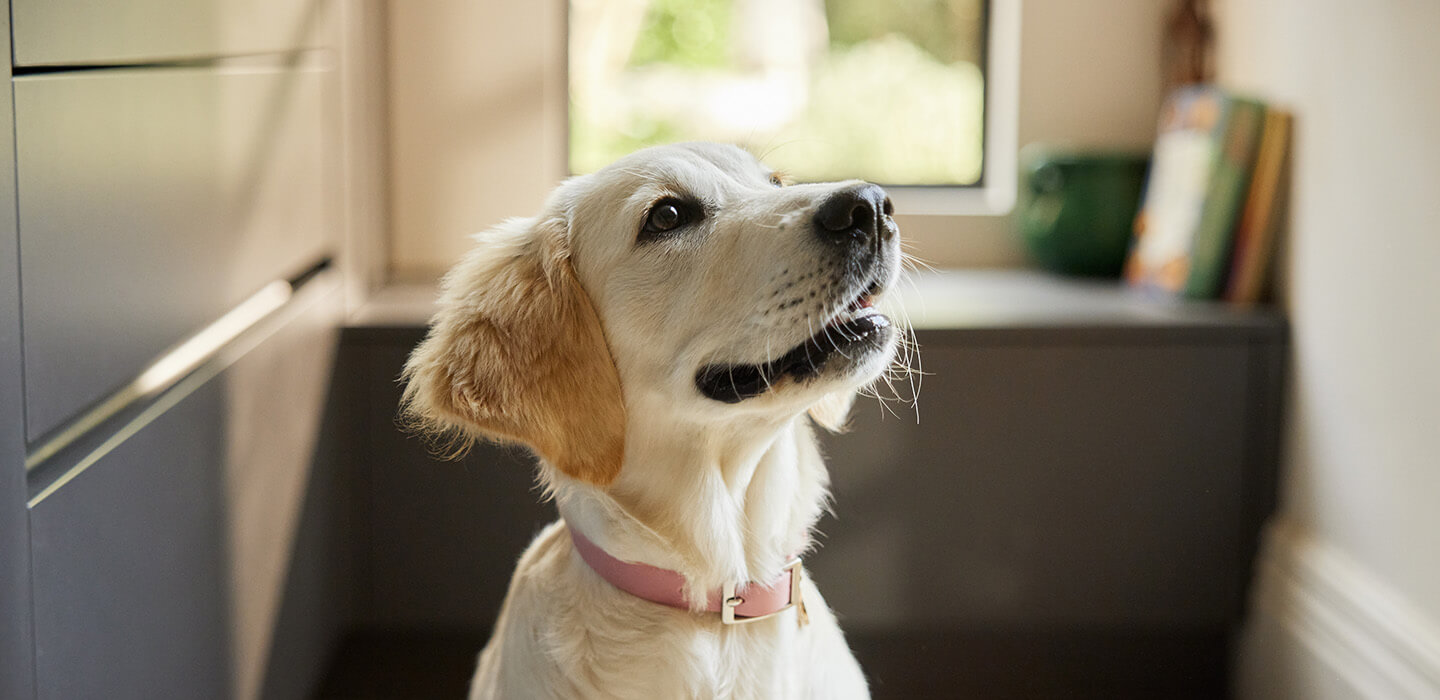
In a new house with strange, unfamiliar scents and sounds, crate training a puppy is a great way to help them to feel safe in a new environment.
Before starting any training, make sure you take the time to explain to children that the crate is a quiet, calm space for your puppy where they shouldn’t be disturbed. Once you’ve created that level of understanding and importance, start to follow the below steps on how to gradually introduce your puppy and their new ‘den’.
Choose somewhere in the home where you and your family spend a lot of time (like a living room) to ensure your puppy feels included. Leave their crate here for a couple of days.
But your dog's bedding inside the crate and let them explore it. If they do inside, give them treats and continue to encourage them.
The first couple months of bringing your new puppy home might not involve a lot of sleep. The reality of bringing home a new furry bundle of joy is that he or she will have an incredibly small bladder and need to go all the time. One minute he is playing or running and the next, you are facing a little yellow puddle on your favourite rug with one guilty-looking pup standing over it. Night-time crate training is one way we can reduce this.
If you plan to crate your puppy at night, make it available in their sleep aera. This may be your own bedroom or in another area of the house. Keep the crate open and available to them, but don’t close the door until they are further along in their crate training. Gradually increasing their interaction with the crate is key for them to feel comfortable and content within.
Having them sleep in a crate or dog bed on the floor will let them know you are there, but also teach them some independence. Over time, you can move the crate or the bed to the area to their future resting area.
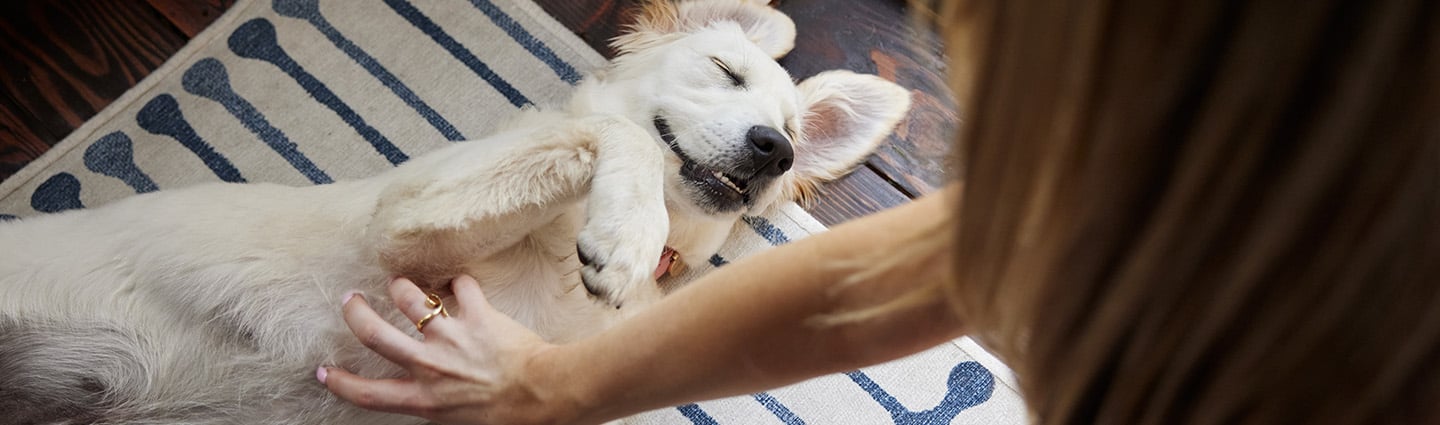
Open the door to allow your dog free access to the inside of the crate. They should sniff and slowly venture inside as they build their confidence. To try and tempt them in, leave their favourite toys and treats inside.
You can even start feeding them inside- this will increase positive associations with the crate. Once they feel happy with this, try to close the door whilst they are eating- but ensure to open it just before they finish. By doing this, they should get comfortable with the door being closed.
Outside of feeding, once you think your puppy is happy going in and out of the crate when the door is open, try closing it when they’re inside. Initially, this should then be opened immediately but as time goes by, leave it slightly longer each time. By doing this, you’re reassuring your puppy that this isn’t a punishment to be inside the crate and they will always be let out.
Eventually you should be able to back away and leave them by themselves without you there.
The goal is for your puppy to associate the crate with happiness and positivity. Make is comfortable. Pay attention to what they do when sniffing around the crate and if they go inside, reward them with attention and affection. By leaving toys and activities in reach, they’ll eventually settle and interact with the entertainment around them.
The little steps your puppy takes should also be accompanied by baby steps from you – physically and metaphorically. As you increase the time your puppy stays in their closed crate, try stepping further away to let them know it’s ok to be on their own and that you’ll always be back.
As a rule of thumb, you should not leave your puppy unattended in the crate for more than three hours- and this is only when they are fully comfortable with it.
When it comes to puppy crate size and buying your crate, don’t consider the size of your puppy now but instead the size they will grow to be. As a minimum, your puppy must be able to comfortably stand, turn around, stretch and lie down at full size in the crate.
- When it comes to what to put in the crate with your puppy, you should put their bedding, soft blanket or towel in the crate to make them more comfortable when sleeping.
- To maximise privacy and help your pup feel cosy, place a blanket or crate cover over the top and sides
- Always remove your puppy’s collar before allowing them in their crate to increase comfort and reduce risk of it getting caught on bars.
- When crate training a puppy, the first night may well be the hardest as it can almost be guaranteed that your puppy will cry when they first use their crate. Stay strong and take comfort in the fact this will soon pass and they’ll eventually love it! Some puppies may prefer to be crate trained in your bedroom- with the comfort of knowing you are there. Over time, you can then slowly move the crate to another area if you wish.
- Tiring out your puppy via a walk or stimulation from activities and play in the afternoon is also a good move-make sure not to play during the late evenings or immediately when you want your puppy to sleep though, so that they don’t get sleeping time and playing time mixed up.
- Another useful tip is to wake your pup up in the mornings before they wake you - they may need to relieve themselves and/or feel anxious which you want to avoid associating with the crate.
You can start to crate train your puppy as soon as you get them! Puppies learn habits very fast, so the sooner the better.
A small amount of crying is okay; however you don’t want them to panic and start to associate the crate with being locked up.
If your puppy becomes very distressed then you may wish to take a step back in your crate training. Setbacks happen. Patience is key, and don’t give up.
Putting a blanket over the crate can help your puppy feel more secure and safe. It is worth doing this, especially at sleep times. Always leave a side open for air flow, and use caution covering the crate with blankets if it’s a hot day or if your dog has a short snout.
Got a puppy or kitten? Join our Puppy & Kitten Club and enjoy a range of benefits designed to give your new pet the best start. As a member, you’ll receive 10% off your first shop along with a free pack of selected food, plus access to exclusive offers on vets, pet insurance, and grooming services. You’ll also benefit from regular deals on food, treats, and accessories, as well as expert advice to support you every step of the way.