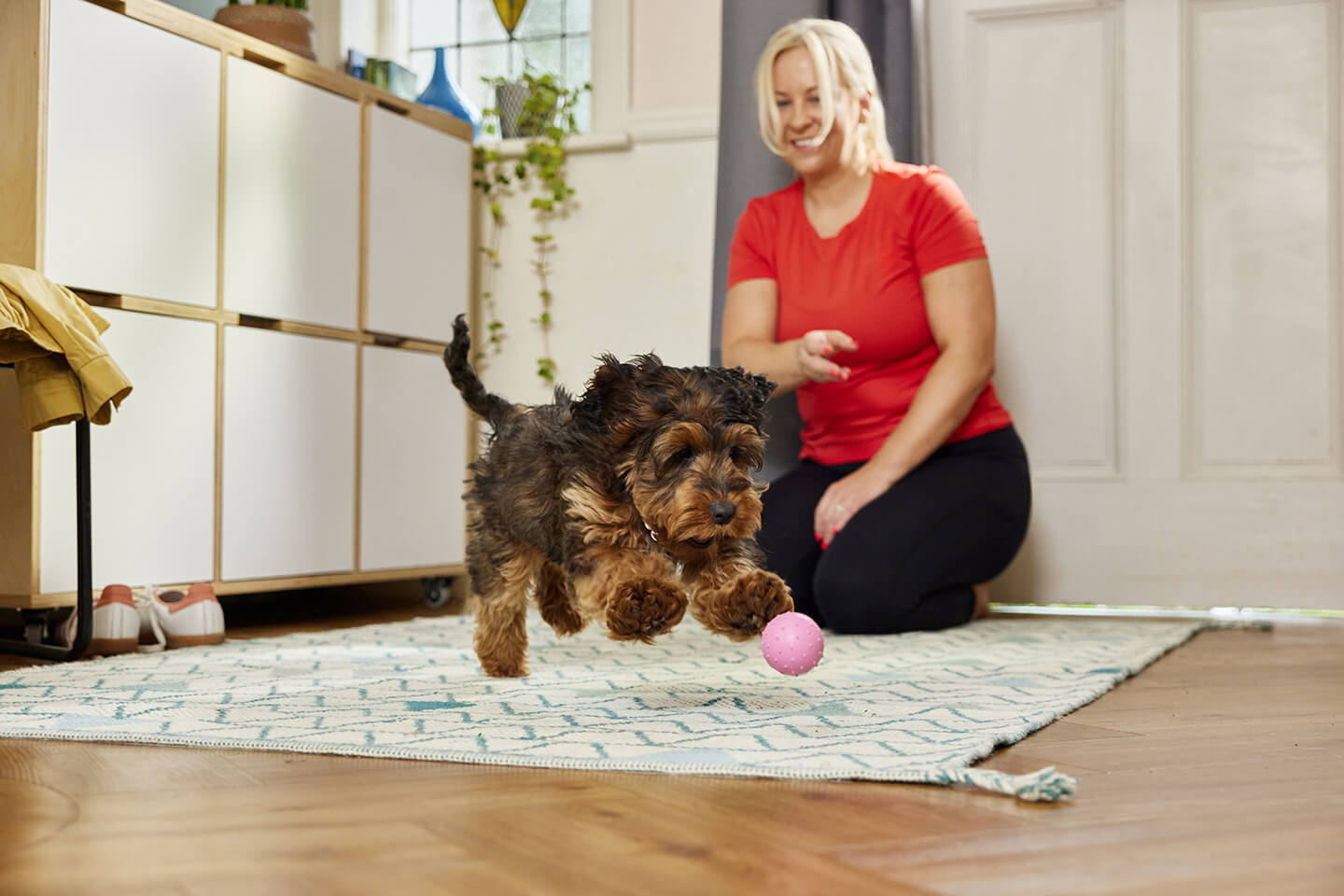
The early stages of puppy ownership are so much fun, but you’ll also have a few obstacles you’ll both need to face together. From day one your pup will be looking to you to care for them, and also teach them how things should be done. As a new puppy owner, you’ll need to learn to understand their nature, how they respond to body language and the best way to teach them.
First comes toilet training, but as each day goes by and your puppy grows, so does the importance of learning good behaviour inside and outside of the house. Training your puppy can be a daunting experience with so much different advice available. Puppy training courses teach you to use a trusted method of training. As it is in the company of others, it teaches your dog to socialise at the same time.
Puppy training classes will help both you and your puppy learn. If you’re a first-time dog owner, you may know what you want your pup to do but you probably don’t know the best way to teach them.
By going to a puppy training or obedience class you’ll gain the confidence you need to train them properly, and they’ll learn essentials like sit, stay, lay down, come and how to walk on the lead. The other dogs will also teach puppy how to act more appropriately around other canine company.
There will probably be a lot of puppy classes in your local area, but it’s important you choose one where you both feel comfortable. When you register with a vet, they may be able to recommend the best classes near you. Also chat to one of our colleagues in store and they may be able to advise. Word of mouth from friends or other dog walkers can also be a good recommendation. Puppy classes do tend to book up quickly, so try and find the class that is right for you and book in as early as possible.

This is a very good idea if it is possible. This will give you an idea of whether it’s the right fit for both of you. You should feel relaxed and comfortable in the room and agree with the methods being used by the trainer. Trainers use slightly different methods, so find one that you can see yourself working with.
When you walk into the class it should feel comfortable, with other owners looking happy and engaged. The dogs should not be barking excessively – that can be a sign of stress, so choose a class where the dogs are listening and looking calm and friendly. Shouting should not be necessary.
The size of the class is also important, with smaller classes ensuring more attention from the trainer. Some larger classes have more than one trainer, so that assistance is readily available for everyone. Make sure that there is enough room for the class members to move around or step away if needed.
Trainers should be approachable, friendly and quick to answer any questions you may have. They should have a proven track record and have the dogs’ best interests at heart, using positive reinforcement techniques in their training.
Equipment for training usually involves toys, treats, and, best of all, lots of praise. Punishment should not be necessary, so if equipment such as choke or prong collars is advised, the class may not be suitable for you.
There is no age limit for training – toilet training can take up to year to get right in some dogs, while other puppies take between 4-6 months. Training for everything else including basic manners (sit, stay, wait, come, no, leave, down etc) and other training (recall when out, tricks, training games etc), is ongoing and needs repetition all the time.
Brain-training is a good way of keeping your dog mentally active at home and can also be very useful to keep your dog occupied they have to be rested for any reason. Teaching your dog names for their toys, then asking them to find each toy by name is one example that can be used.
Puppy training courses generally come in blocks of several weekly classes with the option to continue onto more advanced training courses afterwards if required. The puppy classes will teach you the technique of how to train your puppy, with you then doing more daily training at home between classes.
Trainers often run carry-on classes, and some may offer the Kennel Club Good Citizen Dog Scheme or similar training classes which are aimed at training for good behaviour in day-to-day life. Once over a year old, you can then progress to agility, fly-ball, continue with obedience or other specialist gundog or working dog training should you wish to.
Training a puppy can be both exciting and challenging, but the right products can make the process smoother and more effective. Here are some of the best tools to support your puppy’s development:
Toilet Training Essentials
- Puppy Pads: Ideal for indoor training, especially for young puppies. They protect your floors and help teach your pup where it’s appropriate to relieve themselves.
- Training Bells: Hang these near the door and teach your puppy to ring them when they need to go outside. A great way to build communication and reinforce positive behaviour.
- Pee Posts: Scented markers can encourage your puppy to urinate in a specific outdoor spot, helping guide outdoor toilet habits and reduce accidents elsewhere.
Behavioural Training Aids
- Clickers: A simple but powerful tool for positive reinforcement. The consistent sound helps your puppy understand which behaviours are being rewarded.
- Puzzle Feeders & IQ Toys: Encourage mental stimulation and slow down eating. Great for teaching patience and problem-solving while making mealtime more engaging.
- Training Treats: Small, tasty, and easy to chew, perfect for rewarding good behaviour and reinforcing commands. Use them during obedience training, recall practice, or crate introduction.
- Calming Products: Pheromone sprays, diffusers, or calming collars can help reduce anxiety and create a more relaxed training environment, especially during stressful situations like vet visits or thunderstorms.
Anti-Furniture Chewing Aids
- Chew Toys: Provide a safe outlet for chewing and help soothe sore gums during teething.
- Teething Treats: Softer than adult chews and often enriched with ingredients that support dental health.
- Training Sprays: Bitter sprays discourage chewing on furniture or inappropriate items. Safe and effective for redirecting behaviour.
Crate Training & Comfort
- Crates: Essential for house training, travel, and creating a safe space. Choose one that’s appropriately sized for your puppy.
- Crate Mats & Blankets: Add comfort and warmth to your puppy’s crate, making it a more inviting space.
- High-Sided Dog Beds: Offer a comforting barrier that promotes calmness and security.
- Toys: Keep your puppy entertained and relaxed while in the crate.
- Bedtime Treats: Use biscuits or training treats to encourage your puppy to settle down and sleep through the night.
Lead Training
- Training Leads: Longer or leads that extend are great for recall training and giving your puppy controlled freedom.
- Harnesses: A well-fitted harness prevents pulling and makes walks safer and more comfortable.
Grooming & Handling Training
- Grooming Brushes & Tools: Regular brushing helps with coat health and gets your puppy comfortable with being handled.
- Nail Clippers & Toothbrushes: Introduce these gradually to build familiarity and prevent future grooming anxiety.
Car Training
- Car Seats or Travel Crates: Keep your puppy safe and secure during car journeys while helping them get used to travel.
- Seat Belt Harnesses: Prevent movement and ensure safety, while teaching your puppy to stay calm in the car.
Got a puppy or kitten? Join our Puppy & Kitten Club and enjoy a range of benefits designed to give your new pet the best start. As a member, you’ll receive 10% off your first shop along with a free pack of selected food, plus access to exclusive offers on vets, pet insurance, and grooming services. You’ll also benefit from regular deals on food, treats, and accessories, as well as expert advice to support you every step of the way.